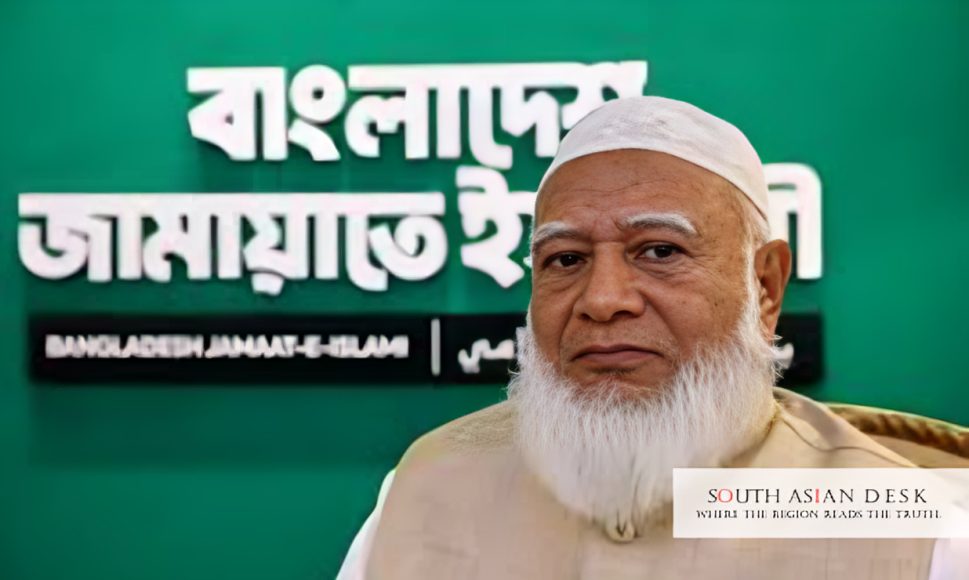
Bangladesh Election Results: Jamaat-e-Islami leader Shafiqur Rahman confirms party will respect poll outcome and act as principled opposition after securing 77 parliamentary seats in BNP-led victory.
Bangladesh Jamaat-e-Islami has accepted the results of the 13th National Parliamentary Election held on 12 February 2026. Party Ameer Dr Shafiqur Rahman issued a statement on his verified Facebook account at 1:44 AM on Saturday, 14 February 2026, affirming the party’s commitment to democracy. The Bangladesh Nationalist Party (BNP) secured a landslide win with 212 seats out of 299, while Jamaat won 77 seats. This marks the first election since the 2024 uprising that ousted Sheikh Hasina’s government.
The acceptance by Jamaat-e-Islami, Bangladesh’s largest Islamist party, signals potential stability in a region marked by political volatility. With South Asia watching closely, this move could ease tensions following the student-led revolution and foster cross-border confidence in Dhaka’s democratic processes, especially amid Pakistan and India’s interests in Bangladeshi affairs.
Shafiqur Rahman Statement: Commitment to Rule of Law
Dr Shafiqur Rahman stated: “We accept the overall results and respect the rule of law.” He thanked volunteers and supporters for their efforts despite facing intimidation. Rahman noted that some party members felt disappointed, but emphasised that the 77 seats nearly quadrupled Jamaat’s parliamentary presence. “This is not a setback, but a foundation,” he added.
The statement highlights Jamaat’s resolve to serve as a “principled and peaceful opposition” focused on national progress. Rahman drew parallels to past political shifts, citing how the BNP fell to 30 seats in 2008 but returned to power after 18 years. He stressed that democratic politics requires earning trust and accepting the people’s verdict.
This Shafiqur Rahman statement aligns with Jamaat’s pre-election position. On 12 February 2026, Rahman had indicated the party would accept results if voting trends continued without interference. Initial allegations of inconsistencies in vote counts surfaced from Jamaat on 13 February 2026, but the party shifted to acceptance by the next day.
Jamaat-e-Islami Opposition Role in New Parliament
With 77 seats, Jamaat-e-Islami emerges as a significant opposition force against the BNP-led government. The party, banned under Hasina’s regime, campaigned on Islamic principles and allied with 10 other groups, including the National Citizen Party. Despite early claims of “result tampering” and “abnormal delays” in announcements, Jamaat opted for peaceful opposition.
Interim leader Muhammad Yunus congratulated BNP’s Tarique Rahman on the “landslide victory” in a statement on 13 February 2026. Yunus, who steps down to hand over power, praised the process amid a voter turnout nearing 60%. The election also included a referendum on constitutional changes, with over 48 million ‘Yes’ votes approving term limits for prime ministers and greater women’s representation.
Jamaat’s decision to embrace its opposition role underscores a commitment to accountability. Rahman concluded his post by affirming the party’s focus on strengthening democracy and protecting citizens’ rights, rather than disrupting governance.
Background: From Uprising to Polls
The 13th Parliamentary Election followed the 2024 student-led uprising that ended Sheikh Hasina’s 15-year rule. Hasina’s Awami League faced accusations of authoritarianism, including suppression of opposition and electoral manipulation. The interim government under Yunus prioritised reforms in police, judiciary, and economy before scheduling polls.
Jamaat-e-Islami, founded in 1979, has long advocated for a society based on Islamic law. It faced repeated bans and persecution, with leaders executed during Hasina’s tenure. The party’s return to electoral politics in 2026 reflects broader demands for inclusive governance post-uprising.
Bangladesh Election Commission data confirms BNP’s 212 seats, Jamaat’s 77, and smaller parties sharing the rest. The polls drew international observers, with no major violence reported despite pre-election tensions.
This context explains why Jamaat’s Bangladesh poll acceptance is pivotal. It prevents potential unrest in a country where past elections sparked violence, such as the 2018 polls boycotted by opposition groups.
Bangladesh Election Results: Key Data
The Bangladesh Election Commission released official results on 13 February 2026. BNP alliances dominated with 212 seats, securing a two-thirds majority. Jamaat-e-Islami’s 77 seats position it as the main opposition, ahead of independents and minor parties.
Referendum results showed strong support for reforms: 48.2 million ‘Yes’ votes for bicameral parliament and women’s quotas. These changes aim to prevent future authoritarian drifts, addressing grievances from the 2024 protests.
Rahman’s Shafiqur Rahman statement reinforces Jamaat’s evolution from alleged tampering claims to constructive opposition. Analysts note this could influence South Asian dynamics, given Jamaat’s ideological ties to groups in Pakistan and beyond.
What’s Next for Bangladesh Poll Acceptance
As Tarique Rahman prepares to assume the prime minister role by 15 February 2026, focus shifts to government formation. Jamaat-e-Islami opposition pledges vigilance on corruption and rights, potentially challenging BNP policies.
Future steps include economic mobilisation, with calls to recover smuggled funds and boost remittances. Regional stability hinges on this transition, as Bangladesh election results could impact trade and security in South Asia.
In conclusion, Bangladesh election results pave the way for renewed democracy, with Jamaat’s acceptance fostering hope for principled governance.
Published in SouthAsianDesk, February 14th, 2026
Follow SouthAsianDesk on X, Instagram and Facebook for insights on business and current affairs from across South Asia.