Indore authorities confirmed 38 new cases of vomiting and diarrhoea on January 5, 2026, linked to the Indore water contamination in Bhagirathpura. The Indore diarrhoea outbreak has now hospitalised 110 people, including 15 in intensive care units, with the death toll standing at 7 according to the health department. Officials continue large-scale screening and medical support to contain the spread.
Indore Diarrhoea Outbreak: Latest Developments
Health teams deployed 200 members across Bhagirathpura on January 5, 2026, visiting 2,745 households and reaching approximately 14,000 residents. Each household received 10 ORS packets, 30 zinc tablets, and a clean water droppers. Instructions include adding 8 to 10 drops of the solution to 10 litres of water, waiting one hour before use, boiling water, completing prescribed medicines, and practising hand-washing.
Counselling sessions emphasised hygiene to prevent further cases in the Indore diarrhoea outbreak. Five ambulances remain on standby with 24-hour doctor availability. Patients receive referrals to M.Y. Hospital, Aurobindo Hospital, or Chacha Nehru Hospital for children. Free treatment, tests, and medicines extend to private facilities as well.
The survey employed the Kobo tool for real-time data collection, with training provided by Central government regional health director Dr. Chandrashekhar Gedam. Chief Medical and Health Officer Dr. Madhav Prasad Hasani supervised operations, focusing on ensuring access to chlorinated, germ-free water.
Indore Divisional Commissioner Sudam Khade confirmed the death toll of 7 based on health department records. Laboratory tests previously established contamination from a pipeline leakage allowing sewage to mix with the supply.
Bhagirathpura Water Contamination Response Intensifies
Bhagirathpura water contamination triggered immediate government intervention. Madhya Pradesh officials repaired the leaking pipeline and isolated the affected section. Surveillance of the water supply system has increased to avoid recurrence.
The Madhya Pradesh High Court mandated free treatment for victims and requested a status report. Around 201 patients were admitted at one point, with some in ICUs. Indore Mayor Pushyamitra Bhagirava earlier noted seven deaths from severe vomiting and diarrhoea.
Central and expert teams continue probing the Indore water contamination. The government declared an epidemic in affected zones. Sanitation teams clear drains and overhead reservoirs to reduce water-borne disease risks.
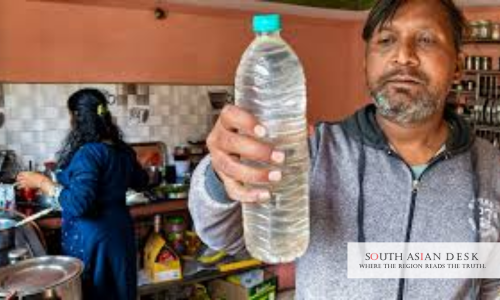
Residents in Bhagirathpura express distrust in municipal taps, opting for purchased water, which strains low-income families economically. The crisis exposes vulnerabilities in infrastructure despite Indore’s cleanest city status.
Background on Water Issues in Madhya Pradesh
Madhya Pradesh has faced repeated water quality challenges. National data indicate only about 63% of samples meet safety standards, contributing to millions of water-borne illness cases yearly across India. Indore’s incident contradicts its sanitation reputation.
Similar past events in the state, including food poisoning cases, highlight ongoing risks from ageing pipelines and rapid urban expansion. In South Asia, neighbouring countries experience frequent outbreaks due to sanitation gaps and shared environmental pressures. The Indore water contamination highlights the urgency for improved regional water management.
Impact on Local Communities
Families in Bhagirathpura mourn amid the Indore contaminated water deaths. Protests have occurred over response delays. Officials suspended personnel for negligence.
Health workers conducted awareness drives on hygiene. Children suffered disproportionately, with specialised hospital referrals. Daily wage earners face disruptions from hospitalisations and extra water costs.
What’s Next
Monitoring persists in Bhagirathpura to track recovery from the Indore diarrhoea outbreak. Infrastructure upgrades aim to prevent future Indore water contamination. Health authorities will provide regular updates on the situation.
Published in SouthAsianDesk, January 6th, 2026
Follow SouthAsianDesk on X, Instagram and Facebook for insights on business and current affairs from across South Asia.