India’s Supreme Court rejects Umar Khalid’s bail plea in the 2020 Delhi riots conspiracy case, while granting relief to five co-accused under strict UAPA provisions.
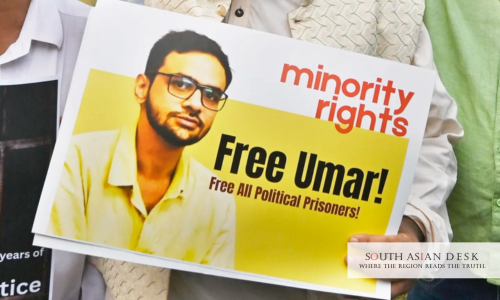
New Delhi’s top court on 5 January 2026 denied Umar Khalid bail and Sharjeel Imam bail in the alleged larger conspiracy behind the Delhi riots of 2020. The activists have remained in jail for more than five years without trial.
The ruling highlights ongoing debates over prolonged detention that Indian activists face under UAPA. It affects human rights and judicial processes in South Asia.
Supreme Court Ruling on Umar Khalid Bail
A two-judge bench examined bail petitions individually. The justices noted that the seven accused stood on different grounds regarding culpability.
The court found prima facie evidence against Umar Khalid and Sharjeel Imam. Materials included digital communications, recoveries, and statements that showcased managerial roles.
The prosecution alleged that both exercised command authority in the conspiracy. The bench described them as standing on a qualitatively different footing from others.
Umar Khalid, a former scholar at Jawaharlal Nehru University, completed his PhD in 2019. He faces charges under the UAPA, which Indian activists often encounter for alleged terrorist acts.
Sharjeel Imam, also a JNU doctoral student under arrest, shares similar accusations. Both deny involvement in violence.
The court rejected the argument that five years of incarceration without trial constituted punishment. It held the statutory bar under the UAPA in effect.
Petitioners can reapply for bail for Umar Khalid or Sharjeel Imam after one year. The bench allowed this option post-order or upon examining protected witnesses.
Five co-accused received bail on strict conditions. Gulfisha Fatima, Meeran Haider, Shifa-ur-Rehman, Mohd Saleem Khan, and Shadab Ahmed must not tamper with evidence or influence witnesses.
Their roles appeared subsidiary or facilitative. The court distinguished them from alleged masterminds.
Delhi Riots 2020: Context of the Case
The 2020 Delhi riots erupted amid protests against the Citizenship Amendment Act. Violence in northeast Delhi killed 53 people, mostly Muslims.
Clashes involved Hindu and Muslim groups. Police registered cases under the Indian Penal Code and the UAPA.
The larger conspiracy FIR alleges premeditated planning. The Delhi Police claim that the protests turned into orchestrated riots.
Accused include student leaders opposing the citizenship law. The United Nations described the amendment as fundamentally discriminatory.
Activists argued that speeches alone cannot attract UAPA charges. They claimed detention violated natural justice principles.
A 2022 report by retired judges found no evidence for terrorism charges. Former Supreme Court judges, high court judges, and the Home Secretary authored it.
US lawmakers expressed concern over prolonged detention. A recent letter to India’s ambassador highlighted pre-trial issues.
UAPA India Activists: Challenges in Bail
UAPA India activists’ faces make bail exceptionally difficult. Section 43D(5) bars release if accusations appear prima facie true.
The law targets unlawful activities threatening sovereignty. Critics say it enables indefinite detention.
Over five years have passed since the arrests in 2020. Trial remains pending with numerous witnesses.
Khalid received short interim releases in 2024 and 2025 for family weddings. Otherwise, he stayed incarcerated.
The Imam faced multiple rejections earlier. Both approached the Supreme Court after the Delhi High Court’s denial in September 2025.
The bench reserved judgment in December 2025. It pronounced the split verdict on 5 January 2026.
The court emphasised individual assessment in conspiracy cases. It avoided a uniform approach to bail.
Background: Protests and Riots
Protests against the Citizenship Amendment Act began in 2019. They spread nationwide with sit-ins and marches.
Northeast Delhi saw intense violence in February 2020. Properties burned, injuries mounted.
Police filed charges against organisers. Allegations included incitement and funding.
Khalid and Imam delivered speeches during protests. Prosecution links these to riots.
Defence claims no direct involvement in violence. They highlight protected speech rights.
International groups monitor the case. Concerns rise over dissent suppression.
What’s Next for Umar Khalid Bail Prospects
Trial continuation depends on witness examination. Protected witnesses may delay proceedings.
Umar Khalid’s bail and Sharjeel Imam’s bail applications are possible after one year. Outcomes hinge on trial progress.
The case tests the application of UAPA in protest-related matters. Future rulings may clarify bail thresholds.
The legacy of the 2020 Delhi riots persists in judicial and political discourse. Resolution awaits full trial.
Published in SouthAsianDesk, January 6th, 2026
Follow SouthAsianDesk on X, Instagram and Facebook for insights on business and current affairs from across South Asia.