The US Embassy in India has issued a fresh B1 B2 visa warning, urging applicants to strictly follow rules or face severe penalties. Released on 8 January 2026 via social media, the alert highlights misuse consequences amid a broader immigration crackdown.
Indians, who account for a large share of B1 B2 visa applications, must heed this US embassy India visa alert. With over 1 million visitor visas issued to South Asians annually, violations could disrupt travel, business ties, and family visits across the region.
US Embassy India Visa Alert Details
The US Embassy in India posted the B1 B2 visa warning on X, stating: “Not sure what your B1/B2 visa allows? You are not alone. Every U.S. visa has specific rules and following them is your responsibility.” The post introduces an animated video series featuring characters Nick and Neha to explain key regulations.
B1 visas permit business activities such as attending conferences or negotiating contracts. B2 visas cover tourism, medical treatment, or visiting relatives. Combined B1 B2 visas allow both but prohibit employment, study, or permanent residence.
The embassy stresses that consular officers can deny applications if applicants fail to prove temporary intent. Holders bear full responsibility for compliance. This US embassy India visa alert comes days into 2026, aligning with heightened scrutiny.
B1 B2 Visa Misuse Consequences Explained
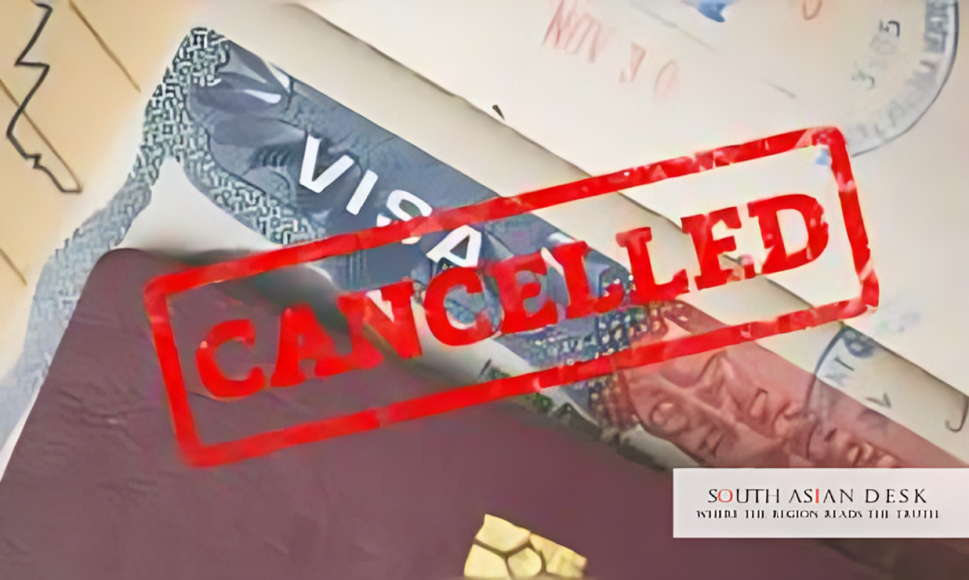
Misusing a B1 B2 visa can lead to immediate denial of entry, visa cancellation, or deportation. Overstaying voids the visa under US law, triggering automatic invalidation for future use.
Longer-term B1 B2 visa misuse consequences include bars on re-entry. Unlawful presence over 180 days but under one year results in a three-year ban. Over one year leads to a 10-year bar.
Fraud or misrepresentation during application can impose a permanent ban. The US Department of State notes that willful fraud makes applicants ineligible indefinitely. This applies to attempts at unauthorised work or changing status without proper process.
In South Asia, where many rely on US visitor visa rules for Indians for business or tourism, such penalties affect thousands. Data from the US State Department shows Indians received over 700,000 B1 B2 visas in 2025, up 15% from prior years. Violations rose 20% amid economic pressures.
Experts say the zero-tolerance policy amplifies risks. One immigration lawyer in Delhi noted: “Applicants must document strong home ties to avoid denial.” The warning urges consulting official sites like travel.state.gov.
US Visitor Visa Rules for Indians Under Scrutiny
US visitor visa rules for Indians now face tighter enforcement under the Trump administration’s immigration policies. A State Department order in late 2025 expanded visa bond requirements to 38 countries, including several in Asia, with fees up to USD 15,000 for high-risk cases.
This crackdown targets overstays and misuse, with instructions to warn B1 and B2 holders explicitly. For Indians, it means longer processing times and more documentation. Applicants must prove financial stability and intent to return.
The US embassy India visa alert specifies prohibited activities: paid work, professional performances, or journalism. Birth tourism or crew service also violates terms. Holders cannot enrol in Credit courses or seek permanent status.
South Asian travellers, especially from India, Pakistan, and Bangladesh, report increased rejections. In 2025, denial rates for Indian B1 B2 applications hit 25%, per State Department figures. This B1 B2 visa warning aims to reduce that by educating users.
The animated series covers entry port issues, where officers assess compliance. “Avoid problems at the port of entry,” the embassy post advises. Videos address common myths, like using B1 for job hunting.
Background on US Visa Policies
US visa policies evolved post-2024 elections, with renewed focus on enforcement. The Trump administration revived public charge rules, requiring proof applicants won’t burden US resources.
For South Asia, this intersects with rising travel demand. India-US trade reached USD 200 billion in 2025, boosting business visas. Yet, misuse cases, often tied to economic migration, prompted alerts.
Previous warnings targeted student and H-1B visas. This B1 B2 visa warning extends that to visitors, reflecting a holistic crackdown. Official data indicates 5% of B1 B2 holders overstay annually, straining systems.
What’s Next for Applicants
Applicants should review US visitor visa rules for Indians on official portals before applying. The embassy plans more videos in the series, covering specifics like duration limits, typically six months.
Legal advisors recommend early applications and honest disclosures. With wait times averaging 200 days in India, planning ahead is key.
This B1 B2 visa warning signals ongoing vigilance. Future policies may add biometrics or bonds for more nations. South Asians must adapt to maintain access.
In conclusion, adhering to the B1 B2 visa warning prevents irreversible harm. Proper use preserves opportunities for millions.
Published in SouthAsianDesk, January 9th, 2026
Follow SouthAsianDesk on X, Instagram and Facebook for insights on business and current affairs from across South Asia.