Islamabad, Friday, January 9, 2026 – The Taliban takeover in Afghanistan has left Pakistan worst hit, with militants claiming over 600 lives of soldiers and police in 2025 alone amid escalating TTP attacks Pakistan links to Afghan sanctuaries, according to a fresh International Crisis Group analysis.
This assessment highlights persistent threats to South Asian stability, where cross-border terrorism and fragile ceasefires risk broader conflict, affecting trade, migration, and security across the region.
Pakistan Worst Hit by Taliban: Key Report Insights
The International Crisis Group labels Pakistan as the nation most severely impacted by the Taliban takeover in Afghanistan. Despite Pakistan’s past backing of the Afghan Taliban, ties deteriorated sharply after Kabul refused to curb the Tehreek-e-Taliban Pakistan.
Militant violence escalated from 2022. In 2025, over 600 Pakistani security personnel died, mainly in Khyber Pakhtunkhwa and Balochistan bordering Afghanistan. Islamabad attributes these losses to TTP attacks Pakistan traces to Afghan soil.
UN monitors confirm the TTP maintains 6,000 to 6,500 fighters in Afghanistan. They receive Taliban support for operations and logistics. The Taliban publicly deny harbouring Pakistani militants. They insist violence arises from Pakistan’s internal policies.
Privately, Taliban leaders acknowledge TTP presence but cite governance constraints. The report warns that persistent attacks could prompt renewed Pakistan Afghanistan airstrikes.
TTP Attacks Pakistan: Patterns of Violence
TTP attacks Pakistan have intensified following the Taliban takeover in Afghanistan. The group seeks Sharia enforcement and autonomy in border regions. Pakistani forces displaced them by 2014, but they regrouped post-2021.
A 2022 ceasefire, brokered by the Taliban, collapsed amid political changes in Pakistan. The TTP now uses advanced weapons, including NATO leftovers, for sophisticated assaults.
UN reports detail TTP training alongside al-Qaida in Afghan provinces. This alliance amplifies threats beyond Pakistan.
Pakistan’s foreign ministry, in an October 2025 briefing, described TTP as a mutual danger. Officials urged Afghanistan to deny sanctuary to terrorists.
Pakistan Afghanistan Airstrikes: Recent Escalations
Pakistan Afghanistan airstrikes underscored tensions in October 2025. After a TTP assault killed 11 Pakistani troops on October 8, Islamabad targeted Afghan sites, including Kabul for the first time, aiming at TTP leader Noor Wali Mehsud.
Afghanistan responded with strikes on Pakistani positions. Fighting caused casualties on both sides. Mediation in Doha secured a ceasefire.
The Crisis Group notes the truce’s fragility. Further TTP attacks Pakistan could trigger more Pakistan Afghanistan airstrikes. The Taliban, despite inferior firepower, claim missile reach into Pakistani urban centres.
Pakistan reaffirms respect for Afghan sovereignty. Operations target threats, not territory. Officials stress dialogue while protecting citizens.
Diplomatic channels remain strained. Trade suspended. Pakistan’s deportation of Afghans heightened Kabul’s resentment. The Taliban strengthened ties with India, alarming Islamabad.
Background
The Taliban takeover in Afghanistan unfolded in August 2021 during US withdrawal. It ended 20 years of foreign military presence.
Pakistan anticipated cooperation against militants. Instead, TTP sanctuary expanded.
Historical Taliban-TTP links persist. The TTP aided Afghan insurgents previously.
In 2025, Pakistan engaged in brief conflicts with Afghanistan and India. Nuclear capabilities raised global concerns.
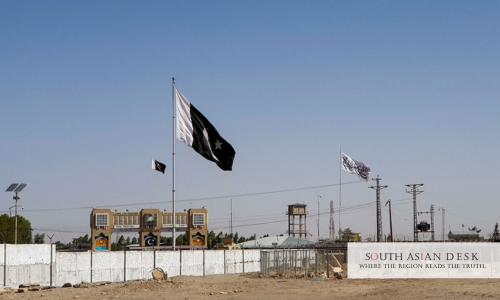
The Durand Line border dispute fuels distrust. Porous frontiers enable militant flows.
South Asia’s population exceeds 1.7 billion. Issues like Kashmir compound risks.
Mediation by Qatar and Türkiye averted wider war.
What’s Next
Upcoming talks in Istanbul may tackle underlying issues. Pakistan seeks TTP extraditions.
The report forecasts potential strikes if TTP attacks Pakistan resume. Taliban responses risk escalation.
UN pressure could compel Kabul on counter-terrorism. Pakistan bolsters border defences.
Regional bodies like Shanghai Cooperation Organisation offer platforms for talks.
As Pakistan worst hit by Taliban policies linger, vigilant monitoring of militancy is essential.
Ultimately, resolving fallout from the Taliban takeover in Afghanistan demands sustained diplomacy to prevent regional fallout.
Published in SouthAsianDesk, January 9th, 2026
Follow SouthAsianDesk on X, Instagram and Facebook for insights on business and current affairs from across South Asia.