Pakistan’s Deputy Prime Minister and Foreign Minister Ishaq Dar heads to Jeddah for the FM Dar OIC meeting on Saturday, addressing Israel Somaliland recognition and its threats to regional stability.
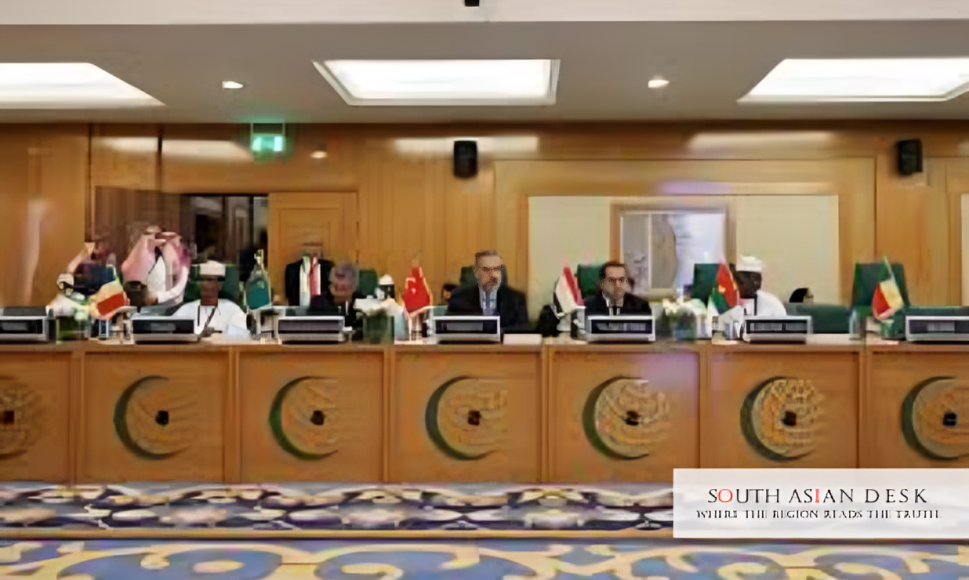
Pakistan’s Deputy Prime Minister and Foreign Minister Ishaq Dar will lead the delegation to Jeddah on Saturday, January 11, 2026, for an extraordinary session of the OIC Council of Foreign Ministers. The FM Dar OIC meeting focuses on the implications of Israel Somaliland recognition. Dar plans bilateral talks on the sidelines.
The session comes amid rising tensions in the Horn of Africa. Israel announced recognition of Somaliland on December 26, 2025, marking it as the first nation to do so. This move has drawn sharp criticism from Muslim nations, including Pakistan.
Pakistan stance on Somaliland remains firm in support of Somalia’s sovereignty. The recognition risks destabilising the region, affecting South Asian interests through trade routes and diaspora communities.
OIC Extraordinary Meeting Somaliland Agenda
The OIC extraordinary meeting Somaliland will examine how Israel Somaliland recognition violates international law. Officials state it undermines Somalia’s territorial integrity.
A Foreign Office press release noted: “The session will address the implications of Israel’s recognition of the so-called Somaliland region of the Federal Republic of Somalia.” Dar will present Pakistan stance on Somaliland during discussions.
On Thursday, January 8, 2026, Pakistan joined 22 other nations and the OIC in a joint statement. It condemned Israeli Foreign Minister Gideon Saar’s visit to Hargeisa on Tuesday, January 6, 2026. The statement called the trip an “illegal breach” of Somalia’s sovereignty.
The joint declaration included Algeria, Bangladesh, Comoros, Djibouti, Egypt, Gambia, Indonesia, Iran, Jordan, Kuwait, Libya, Maldives, Nigeria, Oman, Palestine, Qatar, Saudi Arabia, Somalia, Sudan, Türkiye, and Yemen. It rejected Israel Somaliland recognition outright.
Last month, on December 27, 2025, Pakistan issued a standalone condemnation. It labelled the recognition “provocative and illegal.” The Ministry of Foreign Affairs stressed unwavering support for Somalia’s unity.
The OIC Secretary-General also denounced Saar’s visit. He urged Israel to withdraw recognition, citing risks to peace in the Horn of Africa and Red Sea.
Background
Somaliland declared independence from Somalia in 1991 after civil war. It operates with its own government, currency, passport, and army. Yet, no country recognised it until Israel’s move on December 26, 2025.
Somaliland’s President Abdirahman Mohamed Abdullahi welcomed the recognition. He stated Somaliland would join the Abraham Accords, Israel’s normalisation pacts with Arab states.
Somalia rejected the announcement. It termed it an “unauthorised incursion” and violation of its borders. The region holds strategic value on the Gulf of Aden, key for global shipping.
Israel’s decision aligns with its Red Sea strategy. It counters influence from rivals like Iran. However, critics argue it fuels separatist tensions across Africa.
For South Asia, the issue resonates due to Muslim solidarity. Pakistan stance on Somaliland echoes its positions on Kashmir and Palestine. Trade via the Red Sea affects economies in Pakistan, India, and Bangladesh.
Diaspora links add urgency. Thousands of Somalis live in Pakistan, and vice versa. Instability could spur migration or security concerns.
Analysts note Pakistan’s foreign policy prioritises territorial integrity. This mirrors opposition to separatism elsewhere. The FM Dar OIC meeting underscores collective Muslim response.
OIC has historically backed Somalia. In past statements, it condemned external interference in African states. The Ethiopia-Somaliland deal in January 2024 drew similar rebukes, though less intense.
Israel Somaliland recognition escalates matters. It ties into broader Middle East dynamics, post-Gaza conflicts. OIC members fear it distracts from Palestinian issues.
Data from OIC shows 57 member states, representing over 1.8 billion people. Resolutions from such meetings often influence UN votes.
Pakistan has participated in 19 prior OIC extraordinary meetings since 2020. Most addressed Palestine or Islamophobia.
What’s Next
The FM Dar OIC meeting may produce a resolution urging global rejection of Israel Somaliland recognition. Potential calls for sanctions or UN intervention loom.
Dar’s bilateral meetings could strengthen ties with Saudi Arabia and Türkiye on this front.
Outcomes might include a unified OIC stance, pressuring Israel to reverse course. Somalia could seek further diplomatic support.
Pakistan stance on Somaliland will guide its actions post-meeting. Follow-up statements from the Foreign Office are expected by Monday, January 12, 2026.
Regional observers watch for ripple effects. If ignored, recognition could embolden other breakaways, altering African borders.
The OIC extraordinary meeting Somaliland sets a precedent for handling unilateral recognitions. Success depends on member unity.
In conclusion, the FM Dar OIC meeting highlights collective opposition to actions threatening sovereignty.
Published in SouthAsianDesk, January 10th, 2026
Follow SouthAsianDesk on X, Instagram and Facebook for insights on business and current affairs from across South Asia.