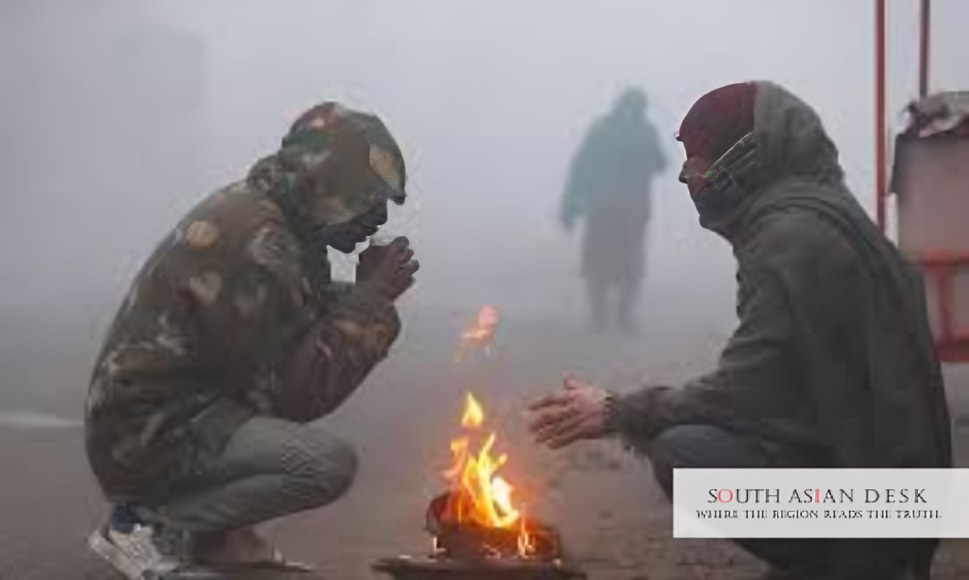
As India endures a severe cold wave in January 2026, health experts warn of heightened infections and impacts on patients with hypertension and heart ailments. Doctors urge vulnerable groups to take precautions amid falling temperatures across northern and central states.
India faces recurring cold waves that exacerbate health issues, straining public healthcare systems. In South Asia, similar conditions in neighbouring countries like Pakistan and Nepal amplify regional mortality risks, affecting millions in poverty without adequate shelter or medical access.
The ongoing cold wave has triggered alerts from the India Meteorological Department (IMD). Temperatures have dropped 3°C to 5°C below normal in states including Punjab, Haryana, Uttar Pradesh, Rajasthan, Himachal Pradesh, Madhya Pradesh, Chhattisgarh, Jharkhand, Odisha, and North Interior Karnataka. IMD forecasts indicate cold wave conditions persisting in isolated pockets through January 21, with dense fog reducing visibility and complicating travel.
Health authorities report increased hospital admissions for respiratory issues and cardiovascular complications. The National Centre for Disease Control (NCDC) advisory highlights cold wave health risks, noting symptoms like shivering, confusion, and numbness that can lead to hypothermia or frostbite.
Cold Wave Hypertension Concerns Rise
Cold weather constricts blood vessels, elevating blood pressure and straining the heart. Dr Sanjeeva Kumar Gupta, consultant in cardiology at C.K. Birla Hospital, stated: “Cold weather causes blood vessels to constrict, raising blood pressure and increasing the workload on the heart.” He added that stress hormones like adrenaline further raise blood pressure and heart rate.
Cold wave hypertension affects patients on medication, as winter dehydration and dietary changes disrupt sodium and potassium balance. Lower fluid intake leads to higher sodium levels, while fewer fruits and vegetables reduce potassium, risking cramps, fatigue, and kidney stones. Dr Pankaj Soni, principal director of internal medicine at Fortis Escorts Hospital, advised: “Maintaining adequate hydration (even with warm fluids), reducing consumption of salty/processed foods, and increasing consumption of potassium-rich produce (fruits/vegetables) helps prevent issues.”
Government data underscores the severity. National Crime Records Bureau records show 3639 deaths from cold wave exposure between 2019 and 2023, averaging 728 per year. A 2021 Lancet study points to India’s heavy burden from non-optimal temperatures, with cold waves hitting vulnerable states like Bihar and Uttar Pradesh hardest.
In Bihar, Civil Surgeon Avinash Singh said: “In this season, it is important for families to pay special attention to the elderly and children. There is no expectation of relief from the cold wave for the next 10 to 15 days. Therefore, everyone should take care of their children and elderly. Adequate arrangements have been made in government hospitals to manage the continuous drop in temperature. Doctors and staff are on duty 24 hours a day.”
Cold Wave Heart Ailments Worsen in Winter
Patients with existing heart conditions face amplified cold wave heart ailments. Reduced physical activity, higher salty food intake, and dehydration add cardiovascular strain. Dr Gupta noted: “During winters, the body’s sodium and potassium levels can fluctuate. Lower fluid intake and dehydration may lead to higher sodium levels. At the same time, changes in diet, use of diuretics, and eating fewer fruits and vegetables can cause potassium imbalance, especially in heart patients.”
IMD data reveals long-term increases in cold wave days in regions like Jammu and Kashmir, Delhi, and Odisha. This prolongs exposure, raising risks for heart attacks and strokes. NCDC identifies vulnerable groups: elderly over 65, children under five, those with chronic heart or lung diseases, diabetes, weakened immunity, pregnant women, and obese individuals.
Prevention includes staying indoors, wearing layered clothing, and using safe heating. NCDC advises limiting outdoor time during peak cold, sealing drafts, and checking on neighbours. For heart patients, regular medication and monitoring blood pressure are essential.
Winter Infections India on the Rise
Cold dry air and indoor crowding boost winter infections India, including flu, pneumonia, and norovirus. Dr Neetu Jain, senior consultant in pulmonology at Pushpawati Singhania Research Institute Hospital, said: “Children under five years, especially infants, and adults over 65 years; people with chronic heart, lung, kidney, or liver disease; diabetes; and weakened immunity (caused by, for example, cancer therapy, the use of steroids), pregnant women, and people who are significantly overweight or obese are especially vulnerable.”
These infections can trigger chronic obstructive pulmonary disease flare-ups and asthma attacks. Cold wave health risks extend to dry skin and increased caloric needs, straining undernourished populations. A paper on cold wave incidences reports fewer deaths post-2015, but ongoing waves demand vigilance.
Health departments have ramped up preparations. Hospitals stock essentials, and public campaigns promote hygiene, vaccination, and warm fluids. IMD collaborates with health ministries for early warnings to facilities.
Background
Cold waves in India stem from western disturbances and La Niña patterns, intensifying winters. Historical data shows rising frequency in northern plains, linked to climate change. South Asia’s dense populations and uneven healthcare access heighten impacts, with cold wave health risks contributing to seasonal mortality spikes.
What’s Next
IMD predicts cold wave persistence into late January, with below-normal temperatures in east and central India. Health ministries plan expanded advisories and mobile clinics. Monitoring climate trends will guide future responses.
As temperatures remain low, experts stress proactive measures to mitigate cold wave health risks and protect at-risk groups.
Published in SouthAsianDesk, January 11th, 2026
Follow SouthAsianDesk on X, Instagram and Facebook for insights on business and current affairs from across South Asia.