EU chief observer Ivars Ijabs declared three previous Bangladesh elections not credible during a January 11, 2026, meeting with Chief Adviser Muhammad Yunus in Dhaka. This comes as the EU deploys its first full mission since 2008 ahead of the February 12 parliamentary vote.
The assessment underscores ongoing challenges to electoral integrity in Bangladesh. It signals potential shifts in democratic practices that could affect political stability across South Asia, where fair polls bolster regional cooperation and investor confidence.
EU Observation Mission Arrives for Bangladesh Elections
The European Union has deployed an election observation mission to Bangladesh for the upcoming national elections. Ivars Ijabs, a Member of the European Parliament from Latvia, leads the team as chief observer. The mission began activities in late December 2025.
Officials invited the EU following a formal request from Bangladesh authorities. High Representative Kaja Kallas approved the deployment. The team includes 56 long-term observers stationed across all 64 districts. An additional 90 short-term observers will arrive closer to election day.
The EU observation mission aims to monitor the entire electoral process. This includes voter registration, campaigning, polling, and vote counting. Observers will engage with political parties, civil society, and media. Their presence seeks to ensure transparency and adherence to international standards.
Ivars Ijabs Statement on Previous National Elections
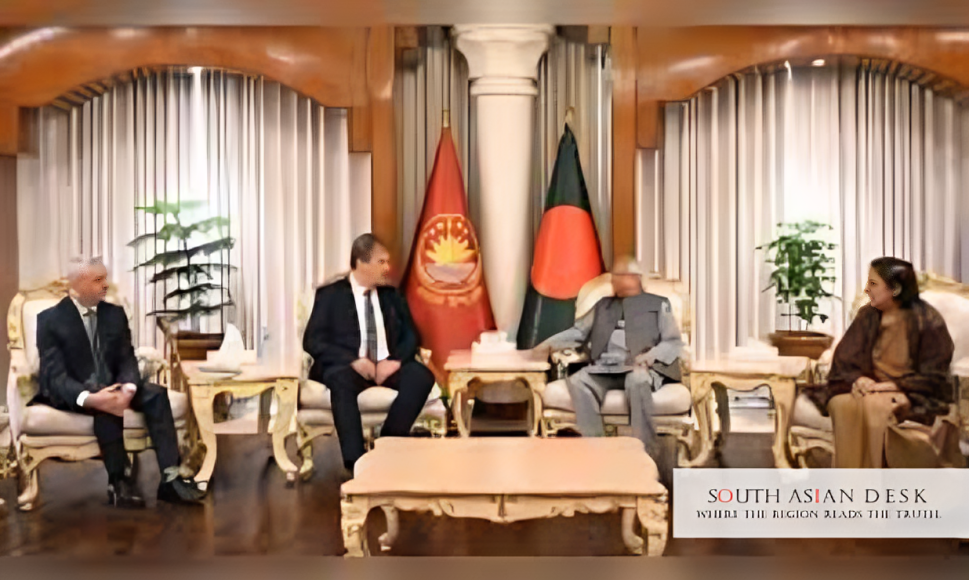
During his meeting with Chief Adviser Muhammad Yunus at State Guest House Jamuna, Ivars Ijabs delivered a pointed assessment. He stated that Bangladesh’s three previous national elections lacked credibility. These refer to the 2014, 2018, and 2024 polls held under former Prime Minister Sheikh Hasina’s administration.
Ijabs noted positive public enthusiasm for the forthcoming Bangladesh elections. He described the upcoming vote as historic. The EU chief observer expressed optimism about preparations. Yunus assured him that the interim government and Election Commission are committed to free, fair, and peaceful polls.
The statement aligns with historical critiques. In 2008, the EU last sent a full observation mission to Bangladesh. During Hasina’s 15-year rule, no such missions occurred. Reports from that period cited irregularities, including voter suppression and lack of opposition participation.
Background on Bangladesh Elections and Reforms
Bangladesh has held national elections every five years since restoring democracy in 1991. The 2008 election, observed by the EU, saw the Awami League win under Sheikh Hasina. Subsequent polls faced boycotts and violence. The 2014 election saw low turnout after the opposition Bangladesh Nationalist Party abstained.
In 2018, the Awami League secured a landslide amid allegations of rigging. International observers, excluding a full EU team, raised concerns over media freedom and arrests. The 2024 election followed similar patterns, with Hasina’s party dominating. Protests later led to her ouster in August 2024, paving the way for an interim government under Yunus.
The current Bangladesh elections mark a transitional phase. The interim administration has implemented reforms, including updating voter lists and enhancing security. The referendum alongside the polls focuses on constitutional changes. Voter registration stands at 120 million, up from 104 million in 2024. Turnout targets exceed 70 percent.
The EU observation mission represents a key international endorsement. It follows invitations to other groups, such as the Commonwealth and United Nations. These efforts aim to rebuild trust in Bangladesh elections after years of disputed outcomes.
Challenges in Ensuring Credible Bangladesh Elections
Security remains a priority for the upcoming polls. The interim government has deployed 700,000 police and military personnel. Incidents of pre-election violence have decreased compared to previous national elections. However, concerns persist over political inclusivity.
Major parties, including the Awami League, face decisions on participation. Ijabs discussed a level playing field with Yunus. The chief adviser pledged equal opportunities for all contestants. Election Commission data shows 39 registered parties, with over 2,000 candidates expected.
Economic factors influence the Bangladesh elections. Inflation at 9.5 percent and remittances of USD 22 billion annually underscore voter priorities. Reforms target corruption, with 150 cases filed since August 2024. International aid, including EUR 400 million from the EU, supports development tied to democratic progress.
What’s Next for Bangladesh Elections
Short-term observers will join in early February 2026. The EU team plans a preliminary statement two days after polling on February 12. A final report, due in April 2026, will offer recommendations for future elections.
Bangladesh authorities aim to announce results within 48 hours. If credible, the new government could assume power by March 2026. International recognition hinges on the EU observation mission’s findings.
The EU’s involvement could strengthen ties with Bangladesh. Trade volumes reached EUR 25 billion in 2025. A successful vote might unlock further partnerships under the EU’s Indo-Pacific strategy.
In conclusion, the spotlight on Bangladesh elections highlights the need for credible processes to foster lasting democracy.
Published in SouthAsianDesk, January 12th, 2026
Follow SouthAsianDesk on X, Instagram and Facebook for insights on business and current affairs from across South Asia.