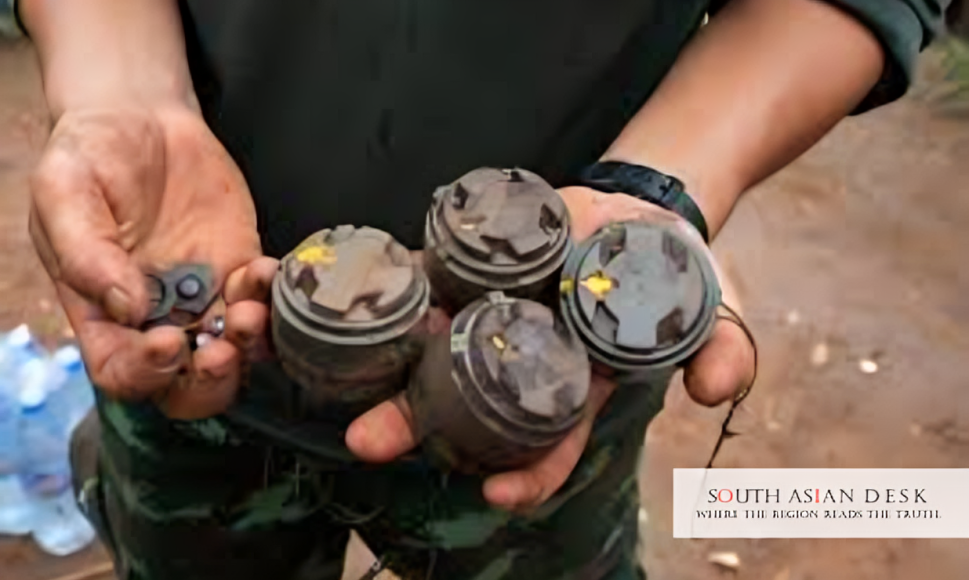
Deadly landmines planted amid Myanmar’s civil war are exploding across the unmarked Bangladesh-Myanmar border, injuring villagers and border guards. Recent incidents include a fisherman losing his leg on 12 January 2026, highlighting escalating Myanmar conflict spillover.
Landmines at Bangladesh-Myanmar border have turned everyday activities into life-threatening risks for local communities. In 2025 alone, at least 28 people in Bangladesh suffered injuries from these devices, with one border guard killed in November. The devices, accused of being laid by Myanmar’s military and rival groups like the Arakan Army, reflect the broader chaos in Myanmar, where over 2,000 landmine casualties were recorded in 2024.
This issue matters deeply in South Asia, where porous borders and refugee flows amplify regional instability. Over a million Rohingya refugees in Bangladesh camps face indirect threats from Rohingya border landmines, as conflicts spill over, straining resources and diplomatic ties between Dhaka and Naypyidaw.
Landmine Victims in Bangladesh Bear the Brunt
Villagers in Bangladesh’s Bandarban district, such as Ali Hossain, 40, have become landmine victims in Bangladesh while gathering firewood in border forests. Hossain recounted an explosion that severed his leg in early 2025, leaving him dependent on a prosthetic and unable to support his family fully. Neighbours carried him to hospital after stemming the bleeding.
Similar stories abound. Farmer Dudu Mia, 42, from Ashartoli settlement, explained how population growth pushes people closer to the border for farming, increasing exposure to landmines on the Bangladesh-Myanmar border. Bangladesh police records confirm the 28 injuries in 2025, with explosions occurring in unmarked areas where locals cross for trade or resources.
On 12 January 2026, Mohammad Hanif, 28, from Lombabil area in Teknaf upazila, lost his leg in a landmine blast near Whykong border. This incident followed gunfire from Myanmar that wounded a 12-year-old girl, Huzaifa Afnan, and two Rohingya individuals on 11 January 2026. These events underscore the Myanmar conflict spillover, where battles between the junta, Arakan Army, and Rohingya armed groups like ARSA send stray bullets and explosives into Bangladesh.
Bangladesh’s Border Guard Bangladesh has installed warning signs and red flags at checkpoints, conducting regular demining operations. Lieutenant Colonel Kafil Uddin Kayes, a local commander, described the planting of mines as an act that cannot be justified, emphasising the cruelty inflicted on civilians.
Myanmar Conflict Spillover Intensifies Border Tensions
The Myanmar conflict spillover has escalated since the 2021 coup, with anti-personnel mines proliferating in Rakhine state adjacent to Bangladesh. The International Campaign to Ban Landmines reported a doubling of casualties in Myanmar from 2023 to 2024, attributing the surge to increased mine use by all parties. The Landmine Monitor highlights a particular rise in incidents near the 271-kilometre Bangladesh-Myanmar border.
Bangladesh accuses Myanmar’s junta and the Arakan Army, which controls jungle swaths in Rakhine, of deploying these weapons. The Arakan Army’s offensive against the military has displaced thousands, pushing Rohingya border landmines into focus as refugees in Cox’s Bazar camps report heightened fears. Over 150,000 Rohingya fled to Bangladesh in 2024 and 2025 amid violence, per UN estimates.
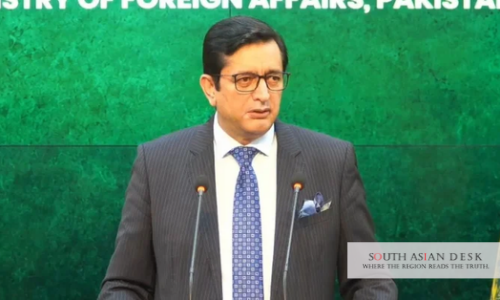
Diplomatic responses have followed. On 13 January 2026, Bangladesh’s Ministry of Foreign Affairs summoned Myanmar Ambassador U Kyaw Soe Moe to protest the cross-border gunfire and landmine incidents. The ministry’s statement demanded Myanmar take responsibility to halt such violations, which breach international law and harm neighbourly relations. The ambassador expressed sympathy for the victims and assured measures to prevent recurrences.
Historical agreements exist for joint mine removal, as noted in past bilateral talks. In earlier discussions, both nations committed to clearing mines and improvised explosive devices to reduce casualties and improve border management. However, implementation remains inconsistent amid Myanmar’s internal strife.
Background: Rohingya Crisis and Border Vulnerabilities
The Bangladesh-Myanmar border has long been volatile due to the Rohingya crisis. Since 2017, over 740,000 Rohingya fled Myanmar’s military crackdown, joining earlier refugees in Bangladesh. This mass exodus strained Bangladesh’s resources, with camps in Cox’s Bazar hosting over one million people vulnerable to Rohingya border landmines from spillover conflicts.
Myanmar’s civil war, pitting the junta against ethnic armies like the Arakan Army, has intensified since late 2023. The Arakan Army seized control of much of northern Rakhine by December 2024, including border segments. This shift has led to forced recruitment of Rohingya into militias, further complicating dynamics. Human rights groups report abuses by all sides, including arbitrary arrests and restrictions on movement for Rohingya.
Landmines exacerbate these issues. Myanmar, not a signatory to the Ottawa Treaty banning anti-personnel mines, ranks as the world’s most mine-contaminated nation per casualty rates. Bangladesh, a treaty party, faces contamination from spillover, with no domestic mine production but inherited risks from the border.
Recent detentions add layers. On 12 January 2026, Bangladesh arrested 53 ARSA members for illegal entry, prompting a high alert along the border. Colonel Moinuddin Ahmed of Border Guard Bangladesh confirmed the action, aimed at curbing militant incursions amid Myanmar conflict spillover.
What’s Next: Landmines at Bangladesh
Forward progress may hinge on international mediation. Bangladesh has called for UN involvement to address landmines on the Bangladesh-Myanmar border, while advocating repatriation of Rohingya under safe conditions. The UK government’s January 2026 policy note on Rohingya urges monitoring of Arakan Army actions in Rakhine, where some displaced Rohingya returned to homes in Maungdaw and Buthidaung by mid-2025.
Joint demining initiatives, as previously agreed, could resume if stability improves. Humanitarian aid from groups like the ICRC focuses on victim assistance, providing prosthetics and rehabilitation for landmine victims in Bangladesh. However, sustained funding is still needed to rehabilitate the victims.
As tensions persist, communities brace for more incidents. Enhanced border patrols and awareness campaigns by Bangladesh authorities aim to mitigate risks, but lasting peace in Myanmar remains key to ending the threat of landmines on the Bangladesh-Myanmar border.
Published in SouthAsianDesk, January 14th, 2026
Follow SouthAsianDesk on X, Instagram and Facebook for insights on business and current affairs from across South Asia.