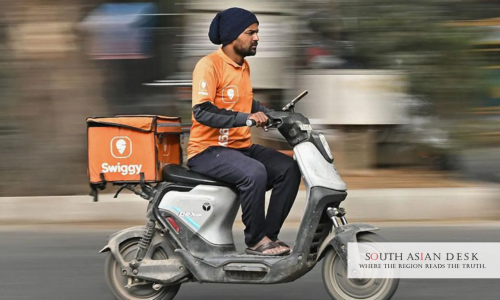
The 10-minute delivery ban in India emerged in early 2026 when Union Labour Minister Mansukh Mandaviya met executives from Zomato, Blinkit, Swiggy, and Zepto. The directive followed a December 2025 strike by thousands of delivery workers protesting unsafe conditions. Officials cited pressures from tight deadlines as a leading cause of accidents and stress.
The move impacts South Asia’s gig economy, where India’s model has a significant influence on neighboring markets, including Pakistan and Bangladesh. Rapid delivery services drive economic growth but raise concerns about cross-border issues, including worker protections and urban safety standards.
Quick Commerce India Under Scrutiny
Quick commerce in India has experienced significant growth since the COVID-19 pandemic. Platforms utilize neighborhood warehouses for ultra-fast delivery of groceries and electronics. Niti Aayog data shows gig workers grew from 7.7 million in 2021 to over 23 million by 2030 projections. In 2025 alone, workers handled millions of daily deliveries amid competition.
The 10-minute delivery ban in India targets branding, not operations. Blinkit revised its tagline from “10,000 plus products delivered in 10 minutes” to “30,000 plus products delivered at your doorstep”. Swiggy and Zepto plan similar adjustments, according to government sources. Apps still display sub-10-minute estimates in some areas due to logistical constraints.
A labour ministry official stated platforms agreed to remove time-bound promises after discussions. This aims to ease algorithm-driven pressures that penalise delays with fewer assignments or lower ratings.
Gig Workers’ Safety in India Prioritised
Gig workers’ safety in India became a focal point after the strike on 31 December 2025. Riders reported 12-hour shifts, earning INR 20,000 per month, despite the risks. One worker said tight deadlines force unsafe riding in traffic.
The Code on Social Security 2020 defines gig and platform workers for benefits. The Union Budget 2025 allocated funds for ID cards and health coverage under the PM Jan Arogya Yojana, as well as e-Shram registration for 10 million gig workers. This includes accident insurance and maternity aid.
Human Rights Watch report noted that quick commerce in India contributes to road accidents with 1,500 delivery worker deaths annually. Unions like the Indian Federation of App-based Transport Workers welcomed the 10-minute delivery ban in India as a step toward dignity.
Shaik Salauddin, national general secretary of the federation, called it a significant move to protect lives. Workers seek fair wages, parking facilities, and social security beyond the deadline removals.
Blinkit Swiggy Changes in Response
Blinkit Swiggy changes followed the ministry meeting. Blinkit acted first, dropping explicit 10-minute claims from marketing. Swiggy confirmed reviews of branding while Zepto pledged compliance.
Quick commerce firms in India classify workers as contractors who are reliant on apps for their income. Vandana Vasudevan, a researcher, noted that speed is embedded in systems that incentivize haste. Delivery partners are divided on the impacts, with some experiencing reduced stress and others questioning the pay improvements.
In Lahore, similar debates arise as quick commerce India models expand regionally. Pakistani platforms adopt fast delivery, raising the safety of gig workers in India.
Background: Evolution of Quick Commerce India
Quick commerce India started post-2020 with Zomato acquiring Blinkit and Swiggy launching Instamart. Competition pushed timelines from 30 minutes to 10, intensifying worker burdens.
Government interventions trace back to the 2020 labour codes. The Ministry of Labour plans to pilot aggregator registrations with Urban Company, Zomato, Blinkit, and Uncle Delivery on e-Shram by 2025. The budget has been expanded to include 10 million gig workers in the healthcare sector.
Niti Aayog’s 2022 report projected 23.5 million gig jobs by 2030, highlighting the need for safety nets. Strikes in 2025 exposed gaps with workers demanding bans on punitive algorithms.
The 10-minute delivery ban in India aligns with global trends. Countries like Spain mandate employee status for riders, which influences policies in South Asia.
What’s Next
Platforms must monitor compliance as unions push for audits. The Labour Ministry plans further talks on wages and insurance. Analysts predict that quick commerce in India will shift to 15-20 minute standards, striking a balance between speed and the safety of gig workers.
Without enforcement, the 10-minute delivery ban in India is likely to have a limited effect. International oversight from bodies like the ILO could shape future reforms amid regional economic ties.
Published in SouthAsianDesk, January 14th, 2026
Follow SouthAsianDesk on X, Instagram and Facebook for insights on business and current affairs from across South Asia.