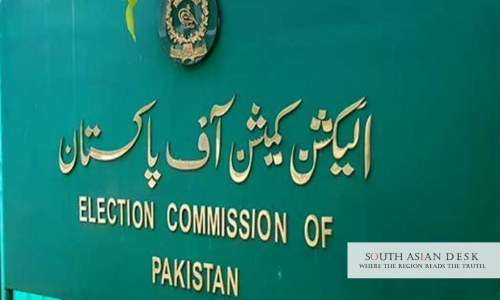
The ECP suspends the membership of 152 lawmakers on 16 January 2026 due to non-filing of asset statements. This suspension of Pakistan lawmakers’ membership followed the failure to submit annual statements of assets and liabilities by the extended deadline of 15 January 2026.
The action enforces a violation of the Elections Act 2017 under Section 137. Affected members cease to function immediately until compliance. This enforcement promotes transparency in public office across Pakistan’s legislatures.
In South Asia, where accountability in governance remains a priority, such measures by electoral bodies strengthen public trust and deter non-compliance among elected representatives.
Assets Statements Non-Filing Details
The ECP acted after a reminder on 15 January 2026. Lawmakers had to file statements for the financial year 2024-25, including assets and liabilities of spouses and dependent children, on Form B as on 30 June 2025.
Section 137(1) of the Elections Act, 2017 requires submission by 31 December each year. The ECP extended the deadline for late filers to 15 January 2026. On 16 January, suspension was applied to defaulters.
The suspension covers 32 members of the National Assembly, 9 Senators, and 111 members of provincial assemblies (50 from Punjab, 33 from Sindh, 28 from Khyber Pakhtunkhwa, 7 from Balochistan).
Notable suspended figures include Syed Ali Musa Gilani, Khalid Maqbool Siddiqui, and Muhammad Akhtar Mengal from the National Assembly; Musadik Malik from the Senate; Saeed Ghani and Hafiz Naeeemur Rehman from the Sindh Assembly.
The ECP directed that suspended members “shall cease to function as members with immediate effect until they submit such statements.”
This suspension of Pakistan lawmakers’ membership mirrors previous actions. Last year, the ECP suspended 139 lawmakers for similar reasons.
Pakistan Lawmakers Membership Suspension Breakdown
The ECP decision impacts multiple tiers of government. National Assembly suspensions affect federal legislative processes. Senate cases involve upper house functions.
Provincial assemblies face disruptions in Punjab, Sindh, Khyber Pakhtunkhwa, and Balochistan. Suspended members lose rights to attend sessions, vote, or participate in proceedings until filing.
A violation of the Elections Act 2017 triggers an automatic suspension under Section 137(3). The law empowers the ECP to publish the names of defaulters and to enforce the cessation of functions.
Prior warnings included a notice to 446 lawmakers who missed the original 31 December 2025 deadline. The extension allowed compliance, but 152 failed to meet it.
This enforcement underscores the mandatory nature of financial disclosure for elected officials.
Background
The Elections Act, 2017, governs asset declarations to ensure transparency. Members must report annually to prevent conflicts of interest and promote accountability.
The ECP routinely issues reminders and enforces suspensions. In 2025, 139 suspensions occurred. Similar patterns appeared in earlier years.
The process involves publishing the names of defaulters and immediately ceasing membership rights. Restoration follows submission of the required statements.
The requirement applies uniformly across parties and positions.
What’s Next for ECP Suspends Lawmakers
Suspended lawmakers can restore membership by submitting statements promptly. The ECP will likely update the status upon compliance.
Monitoring official ECP announcements will track restorations or further actions. The ECP suspension of the lawmakers’ measure serves as a reminder of legal obligations for transparency.
Continued enforcement of asset statements non-filing rules supports accountability in Pakistan’s democratic framework.
Published in SouthAsianDesk, January 16th, 2026
Follow SouthAsianDesk on X, Instagram and Facebook for insights on business and current affairs from across South Asia.