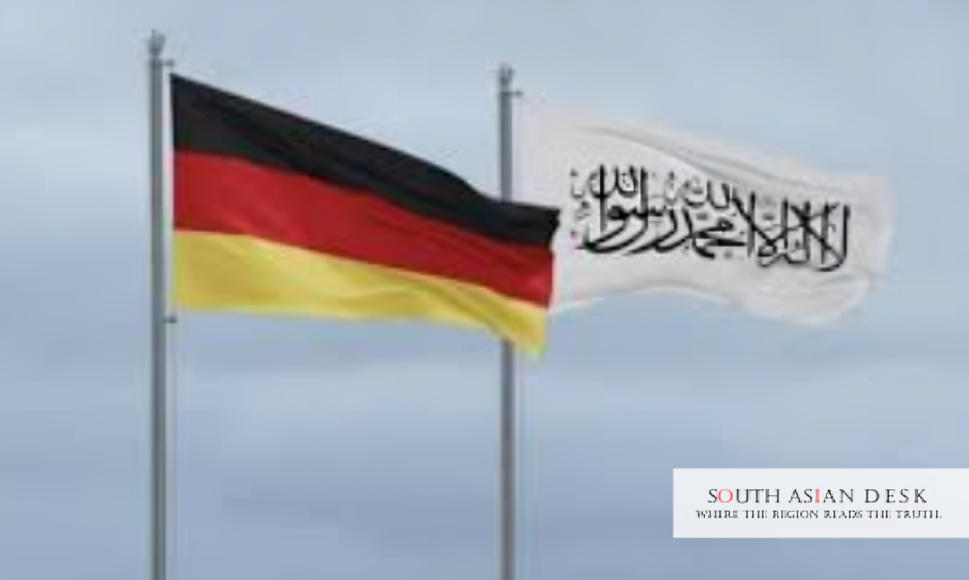
The Taliban recalls diplomats from Germany in a move that highlights ongoing shifts in Afghanistan’s foreign representation. Since November 2024, the Islamic Emirate has summoned back 13 officials appointed prior to the 2021 takeover. These diplomats served in Afghan consulates and the embassy in Germany. Only three remain active. The changes come as Germany maintains limited engagement with the Islamic Emirate, focusing on consular services without full recognition.
This development underscores the fragile state of Afghanistan Germany diplomacy in South Asia’s geopolitical landscape. With Afghanistan bordering Pakistan and influencing regional stability, such diplomatic recalibrations could affect migration flows, security cooperation, and economic ties across the region, where millions of Afghan refugees reside.
Afghan Diplomats Recall Process
German media reported the Taliban recalls diplomats from Germany based on research by public broadcaster ARD. The recalls began in November 2024 and targeted personnel from the previous government. Sources indicate the Islamic Emirate aims to replace them with new appointees aligned with its administration.
In Bonn, the Afghan consulate saw significant changes. Staff appointed by the Islamic Emirate resumed activities in November 2025, following earlier resignations by pre-2021 diplomats amid pressure from both Kabul and Berlin.
Germany’s Foreign Ministry has engaged with the Islamic Emirate on practical matters, such as deportations of Afghan nationals convicted of crimes. In July 2025, the ministry confirmed acceptance of two Taliban-appointed diplomats for consular duties, granting them immunity. This facilitated deportation without implying recognition of the regime.
Islamic Emirate Germany Relations Evolve
The Taliban recalls diplomats from Germany fits into broader patterns in Afghanistan Germany diplomacy. Since the 2021 fall of the previous government, Germany has not recognised the Islamic Emirate, citing concerns over human rights and governance. However, pragmatic needs have led to selective cooperation.
In September 2025, German Interior Minister Alexander Dobrindt confirmed ongoing talks with the Islamic Emirate for deporting Afghan offenders. This followed Germany’s decision to acCredit Taliban representatives in consulates, enabling document issuance for repatriation. By October 2025, Bonn consulate staff resigned over these acCreditations, denouncing them as threats to sensitive operations.
Earlier, in July 2024, the Islamic Emirate disavowed some Afghan diplomatic missions abroad set up by the former regime, rejecting their consular services. This paved the way for the current Afghan diplomats recall and replacements.
South Asian stakeholders monitor these shifts closely. Pakistan, hosting over 1 million Afghan refugees, coordinates with Germany on migration. India, with historical ties to pre-2021 Afghan governments, views the changes as potentially altering regional alliances. The Taliban recalls diplomats from Germany could signal a push for greater control over overseas representations, impacting remittances and aid flows vital to South Asia’s economies.
Background on Afghanistan Germany Diplomacy
Germany has long been a key partner for Afghanistan. Prior to 2021, Berlin provided substantial aid, totalling over EUR 430 million annually in development assistance. Post-takeover, Germany suspended official ties but continued humanitarian support, delivering EUR 600 million since 2021 through UN channels.
Diplomatic tensions escalated in 2024 when the Islamic Emirate requested Germany revoke immunity for pre-2021 diplomats. By 2025, Germany navigated these demands by allowing limited Taliban involvement in consulates for administrative tasks. This hybrid approach reflects broader European dilemmas: balancing non-recognition with practical necessities like deportations.
In Berlin, the Afghan embassy has seen similar flux. The recall of heads from Berlin and Bonn in early 2025 was attributed to the sending state, with the German Foreign Ministry reiterating no formal recognition.
These moves occur against a backdrop of global scrutiny. The UN has urged the Islamic Emirate to uphold international norms, while South Asian nations like Pakistan advocate for engagement to prevent instability spillover.
What’s Next
As the Taliban recalls diplomats from Germany, observers anticipate new postings that could reshape Islamic Emirate Germany relations. Potential talks on expanded consular access may emerge, influencing Afghanistan Germany diplomacy and South Asia’s refugee dynamics. Failure to address human rights could prolong isolation, while cooperation on migration might foster cautious progress.
Published in SouthAsianDesk, January 18th, 2026
Follow SouthAsianDesk on X, Instagram and Facebook for insights on business and current affairs from across South Asia.