Kabul – Afghanistan’s Taliban authorities have contested a United Nations report that warns five million women and children will face acute malnutrition in the coming year. The World Food Programme (WFP) highlighted the life-threatening scale of Afghanistan’s malnutrition, with nearly four million children requiring urgent treatment. Taliban officials presented lower estimates while emphasising their expanded treatment infrastructure.
The dispute highlights the deepening humanitarian emergency in Afghanistan. With aid funding sharply reduced since 2021, the crisis threatens regional stability in South Asia, potentially increasing refugee flows to neighbouring countries such as Pakistan and straining shared resources.
Taliban UN Report Dispute
The WFP’s Afghanistan director, John Aylieff, stated that in the next 12 months, five million women and children in Afghanistan will experience acute malnutrition, the life-threatening type. He described the numbers as staggering in a country of more than 40 million people. Nearly four million children will need malnutrition treatment, according to WFP and supporting data from the UN-mandated Integrated Food Security Phase Classification (IPC).
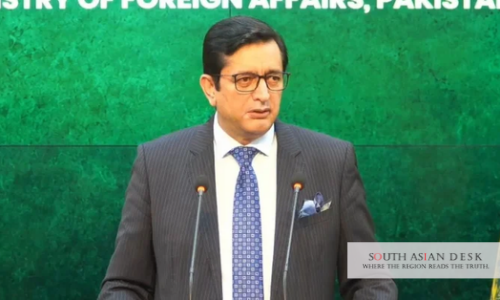
Taliban public health ministry spokesman Sharafat Zaman countered with ministry figures, estimating around three million children and mothers affected by Afghanistan malnutrition. This includes 1.3 million children moderately malnourished, 700,000 acutely malnourished, and 900,000 mothers moderately to severely malnourished.
Zaman stressed progress, noting that treatment facilities have increased from 800 to 3,200 nationwide. “Our goal is to reach all patients and help all malnourished women and children,” he said. The ministry seeks international support for medicines and food while aiming to boost internal production.
The UN figures paint a more severe picture. Aid agencies attribute the surge to reduced donations, economic challenges, and restrictions impacting household access to resources.
Malnourished Women Afghanistan: Harrowing Impacts
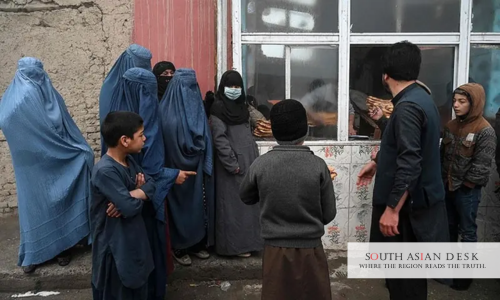
Malnourished women Afghanistan face disproportionate burdens in the crisis. WFP data indicate a dramatic surge in malnutrition among pregnant and breastfeeding women in 2025, with mothers often skipping meals to feed children. Many resort to extreme measures, including early marriages for daughters to ease economic pressure.
John Aylieff described the impact as “very harrowing,” noting increased distress calls from women, some threatening suicide. Funding shortfalls halted distribution of specialised nutritious foods in May 2025, forcing clinics to turn away thousands.
The IPC analysis projects 1.2 million pregnant or breastfeeding women suffering acute malnutrition between June 2025 and May 2026. Long-term risks for malnourished women Afghanistan include weakened immunity, higher maternal mortality, and intergenerational health consequences.
Malnourished Children Afghanistan: Alarming Projections
Children are the most vulnerable group in the Afghanistan malnutrition crisis. The IPC projects nearly 3.7 million children aged 6 to 59 months suffering or expected to suffer acute malnutrition from January 2025 to December 2026, with around 26 percent experiencing severe acute malnutrition (SAM). Severe cases increase mortality risk twelvefold compared to healthy children.
Malnourished children Afghanistan suffer stunting, developmental delays, and heightened vulnerability to illness. Over 17 million Afghans face acute food insecurity this winter, exacerbating the situation. WFP emergency assistance now reaches only a fraction of previous levels, down from supporting nine million women and children.
Health facilities report rising admissions. Taliban efforts to expand centres continue, but success depends on foreign aid. Zaman highlighted the need for distribution through international organisations.
Background
Afghanistan’s malnutrition crisis intensified after the Taliban’s 2021 takeover, compounded by economic collapse, sanctions, natural disasters including droughts and earthquakes, and large-scale returns of deported migrants. By late 2025, over half the population required humanitarian aid.
Previous IPC analyses flagged famine risks. Recent data confirm 17.4 million people in crisis or emergency food insecurity phases. Women and children suffer most due to restrictions on female employment and mobility, which limit household income and service access.
Aid donations surged post-2021 but declined steadily, with WFP funding halved in recent years. Donors cite governance concerns under Taliban rule.
What’s Next
WFP launched an urgent USD 390 million appeal to assist six million people over six months. Aylieff described funding prospects as bleak without renewed international support. Escalation of Afghanistan malnutrition could trigger mass casualties and regional displacement.
Taliban officials plan further facility expansions and local resource development. UN agencies call for coordinated action to prevent worsening conditions among malnourished women Afghanistan and malnourished children Afghanistan.
The Taliban UN report dispute reveals ongoing data discrepancies. Addressing these gaps could enhance targeted interventions and mitigate the crisis.
Published in SouthAsianDesk, January 18th, 2026
Follow SouthAsianDesk on X, Instagram and Facebook for insights on business and current affairs from across South Asia.