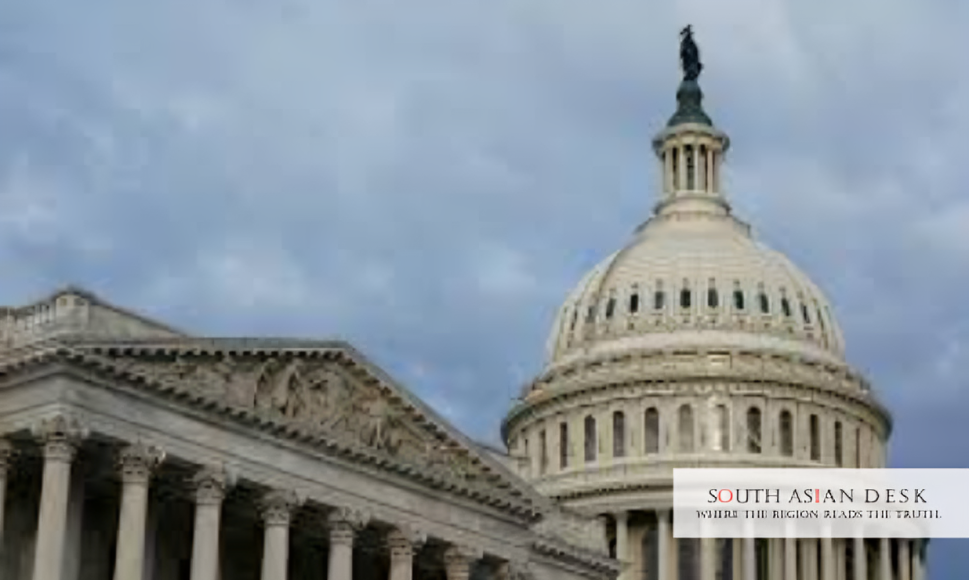
Washington: Republican Senator Jim Risch announced the US Senate Foreign Relations Committee will consider the US Senate Afghanistan aid bill on 29 January 2026. The legislation, known as the No Tax Dollars for Terrorists Act, aims to prevent financial support reaching the Taliban. This move follows ongoing debates on US assistance in Afghanistan since the group’s return to power in 2021.
The bill requires the US Department of State to create a strategy discouraging foreign countries and organisations from providing aid to the Taliban. It uses US foreign assistance as leverage. Senator Risch stated the priority is ensuring no US money goes to the Taliban.
Senator Risch Afghanistan Legislation Details
The US Senate Afghanistan aid bill, originally H.R. 260 from the House, passed there on 23 June 2025. Sponsored by Representative Tim Burchett, it mandates reports to Congress on entities supporting the Taliban and US efforts to counter them. The strategy must focus on aiding Afghan women and girls while relocating at-risk individuals.
Senator Risch, as committee chairman, highlighted the bill in a statement on 17 January 2026. He said: “We must do all we can to ensure no US money is going to the Taliban.” The committee’s business meeting on 29 January 2026 at 9:30 AM in room S-116 will address this as a top item.
The legislation also requires updates on US-funded cash assistance in Afghanistan and the Afghan Fund. This includes assessing Taliban influence over Da Afghanistan Bank, the central bank. Reports must detail foreign support to the Taliban since August 2021.
Blocking Aid to Taliban: Key Provisions
The US Senate Afghanistan aid bill emphasises blocking aid to Taliban through indirect means. It directs the State Department to implement the strategy within 180 days of passage. This includes plans to oppose Islamic Emirate funding cut by leveraging US aid.
Representative Burchett, upon House passage, said: “Since the Taliban regained control of Afghanistan, non-governmental organisations have been directly and indirectly funding the Taliban. The terrorists can hate us for free.” The bill identifies and publishes supporters of the Taliban.
In Afghanistan, officials responded. Deputy Minister of Economy Abdul Latif Nazari noted the US already halted aid. He said: “The Islamic Emirate’s policies rely on internal capacity and national revenues to drive development.” This reflects self-reliance amid potential Islamic Emirate funding cut.
Implications for South Asia
The US Senate Afghanistan aid bill could reshape regional dynamics. Afghanistan’s humanitarian crisis affects neighbours like Pakistan and India. Reduced aid risks instability, with millions relying on international support. Analysts warn blocking aid to Taliban might harm civilians more than the regime.
In South Asia, where refugee flows and security threats spill over, the bill matters. Pakistan hosts millions of Afghans, and any economic turmoil in Afghanistan could increase border tensions. The US Senate Afghanistan aid bill seeks to pressure the Taliban on human rights, especially for women and minorities.
Political analyst Janat Faheem Chakari said: “The Islamic Emirate must be prepared to fund its normal and development budgets independently.” This underscores the need for internal reforms amid Senator Risch Afghanistan legislation.
Economic analyst Iraj Faqiri added: “A drop in foreign currency inflows may cause instability in exchange rates in the local market.” Such effects could ripple into South Asian economies tied to Afghan trade.
Historical Context of US Aid Debates
US involvement in Afghanistan spans decades. After the 2021 withdrawal, aid became contentious. Previous efforts, like a 2022 provision in the National Defense Authorization Act, aimed to certify no benefits to the Taliban. Senator Risch pushed that, but it was blocked.
The Special Inspector General for Afghanistan Reconstruction reported USD 10.9 million in US funds paid to Taliban-controlled entities since 2021 for taxes and utilities. This is likely underreported, as UN sub-awardees lack full data. The UN received USD 1.6 billion in US funding from 2021 to 2023 for Afghanistan programmes.
The US Senate Afghanistan aid bill builds on these findings. It addresses cash shipments, where USD 3.6 billion arrived in 2022 and 2023, often converted through Taliban-influenced banks. This has bolstered the regime’s dollar reserves.
Background
Afghanistan’s aid landscape shifted post-2021. The Taliban, designated a terrorist group, controls the government as the Islamic Emirate. International recognition is withheld due to rights abuses. Women face restrictions on education and work, while minorities endure threats.
US policy focuses on humanitarian aid through organisations, not direct government support. Yet, indirect flows persist. The Afghan Fund, holding frozen assets, aims to stabilise the economy without benefiting the Taliban. The bill scrutinises this.
Senator Risch Afghanistan legislation aligns with broader US goals. It discourages support to the Taliban while aiding civilians. This balances security and humanitarian needs in South Asia.
The region watches closely. India and Pakistan engage in diplomacy with Afghanistan. Blocking aid to Taliban could encourage reforms or heighten isolation, affecting cross-border terrorism.
What’s Next
The committee meeting on 29 January 2026 may advance the US Senate Afghanistan aid bill to the full Senate. If passed, it goes to President Trump for signature. Implementation would require State Department action within months.
Analysts urge continued aid to prevent crisis. The bill’s strategy must prioritise vulnerable groups. South Asian nations may adjust policies based on outcomes.
In conclusion, the US Senate Afghanistan aid bill represents a firm stance against Islamic Emirate funding cut, ensuring no taxpayer support reaches the Taliban.
Published in SouthAsianDesk, January 19th, 2026
Follow SouthAsianDesk on X, Instagram and Facebook for insights on business and current affairs from across South Asia.