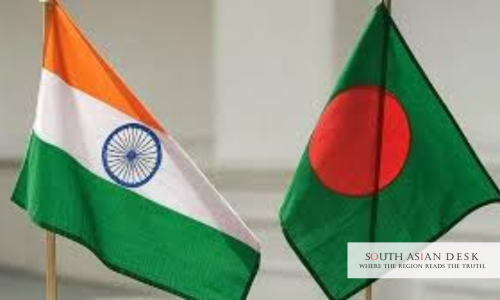
India withdraws diplomats from Bangladesh due to escalating security concerns ahead of parliamentary elections.
New Delhi: India has withdrawn the families of its diplomats posted in Bangladesh as a precautionary measure amid Bangladesh security concerns. The decision, announced on Tuesday, affects dependents at the Indian High Commission in Dhaka and other posts, while diplomatic operations continue uninterrupted. This move comes weeks before Bangladesh’s parliamentary polls, highlighting strained bilateral ties since the interim government’s rise in 2024.
The advisory for families to return stems from a surge in extremist activities, prompting India to designate Bangladesh as a non-family posting for its officials. Official sources stated that the step ensures safety without impacting mission functions.
This development underscores broader regional implications, as India withdraws diplomats Bangladesh in response to ongoing instability. South Asia’s diplomatic landscape faces challenges, with potential effects on trade, border security, and minority protections across borders.
Bangladesh Security Concerns Drive Decision
India’s action follows repeated expressions of worry over Bangladesh security concerns. Relations have deteriorated since Sheikh Hasina’s government fell in August 2024, leading to Muhammad Yunus heading the interim administration. India has highlighted a rise in extremist elements, which officials link to the current unrest.
Sources indicate that the withdrawal covers families from posts in Dhaka, Chattogram, Khulna, Rajshahi, and Sylhet. “Given the security situation, as a precautionary measure, we have advised the dependents of our officials in high commission and posts to return to India,” official sources said. The missions remain open, ensuring continuity in consular services.
This is not the first instance of heightened caution. In 2024, India evacuated non-essential staff during initial protests. Now, with elections looming, Bangladesh security concerns have intensified, including disruptions from anti-India protests.
Attacks on Minorities Bangladesh Fuel Tensions
A key factor in India’s stance is the spate of attacks on minorities Bangladesh. India has voiced deep concern over violence against Hindus and other groups, describing it as a pattern under the interim regime.
In April 2025, India’s Ministry of External Affairs noted the abduction and killing of a Hindu leader, Bhabesh Chandra Roy, urging Bangladesh to protect minorities without excuses. “This killing follows a pattern of systematic persecution of Hindu minorities,” the statement read.
Such incidents have strained ties, with India summoning Bangladesh’s High Commissioner last month to address deteriorating security. Attacks on minorities Bangladesh have included temple vandalisms and assaults, prompting calls for justice ahead of polls.
Non-Family Posting for Diplomats
By making it a non-family posting Bangladesh, India signals long-term caution. This status means officials will serve without dependents, a measure often applied in high-risk areas.
The decision aligns with Bangladesh security concerns, as extremist groups gain ground. India has reminded Dhaka of its duty to safeguard foreign missions under international law.
Diplomatic sources emphasise that this does not signal a full pullout. India withdraws diplomats Bangladesh families only, maintaining full staffing to support bilateral engagements.
Background
India-Bangladesh relations have historically been robust, with cooperation in trade, energy, and connectivity. Annual trade exceeds USD 10 billion, bolstered by projects like the Akhaura-Agartala rail link commissioned in 2023.
However, the 2024 political shift marked a turning point. Hasina’s ouster amid student-led protests led to over 300 deaths, per reports. The interim government’s policies, including arrests of opposition figures, have drawn scrutiny.
India has supported democratic processes but stressed minority safety. In December 2025, both nations repatriated fishermen, showing humanitarian collaboration persists despite tensions.
Recent months saw India raise attacks on minorities Bangladesh at forums like BIMSTEC. Prime Minister Narendra Modi, meeting Bangladesh’s Chief Adviser in April 2025, underlined the need to tackle extremism for regional stability.
What’s Next
As Bangladesh heads to elections in February 2026, outcomes could reshape ties. A stable government might ease Bangladesh security concerns, allowing families to return.
India withdraws diplomats Bangladesh as a temporary step, but prolonged unrest could affect cross-border initiatives. Observers watch for Dhaka’s response, with potential talks on minority protections.
Diplomatic channels remain active, with India urging fair polls and justice for violence victims. If tensions escalate, further measures like visa restrictions could follow, impacting South Asian connectivity.
In conclusion, as India withdraws diplomats Bangladesh amid these challenges, both nations must prioritise dialogue to restore stability.
Published in SouthAsianDesk, January 21st, 2026
Follow SouthAsianDesk on X, Instagram and Facebook for insights on business and current affairs from across South Asia.