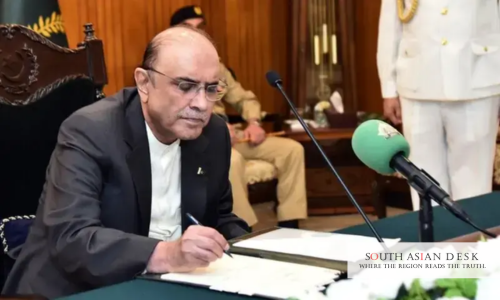
ISLAMABAD – President Asif Ali Zardari on Thursday confirmed 27 additional judge appointments as permanent in the Sindh High Court, Lahore High Court and Peshawar High Court. The move followed recommendations from the Judicial Commission of Pakistan after evaluations of performance and antecedents. The president’s secretariat issued notifications in line with advice from Prime Minister Shehbaz Sharif.
The confirmations bolster judicial capacity in key provinces amid ongoing caseload pressures. This batch of judge appointments addresses vacancies and ensures continuity on the benches.
Sindh High Court Judges Permanent Status Granted
All 10 additional judges of the Sindh High Court received permanent status. The list includes Justices Miran Muhammad Shah, Tasneem Sultana, Riazat Ali Sahar, Muhammad Hasan, Abdul Hamid Bhurgi, Jan Ali Junejo, Nisar Ahmed Bhanbhro, Ali Haider ‘Ada’, Muhammad Osman Ali Hadi and Muhammad Jaffer Raza.
These Sindh High Court judges permanent confirmations stem from JCP meetings last week. The commission, presided over by Chief Justice of Pakistan Yahya Afridi, reviewed data forms and material before recommending by majority vote.
Lahore High Court Judges Confirmation Finalised
The Lahore High Court judges confirmation covered all 11 additional judges now made permanent. They are Justices Hassan Nawaz Makhdoom, Malik Waqar Haider Awan, Sardar Akbar Ali, Syed Ahsan Raza Kazmi, Malik Javed Iqbal Wains, Muhammad Jawad Zafar, Khalid Ishaq, Malik Muhammad Awais Khalid, Chaudhry Sultan Mahmood, Tanveer Ahmad Sheikh and Abher Gul Khan.
The Judicial Commission assessed their records during sessions held over multiple days. This Lahore High Court judges confirmation reinforces one of Pakistan’s busiest high courts handling civil, criminal and constitutional matters.
Peshawar High Court Permanent Judges Approved
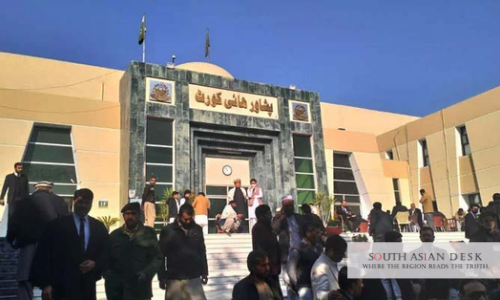
Six additional judges of the Peshawar High Court gained permanent status. The Peshawar High Court permanent judges are Justices Muhammad Tariq Afridi, Abdul Fayaz, Salahuddin, Sadiq Ali, Syed Mudasser Ameer and Qazi Jawad Ehsanullah.
The JCP’s majority recommendation led to these Peshawar High Court permanent judges approvals. The process aligns with constitutional requirements under Article 193 for high court judge appointments and confirmations.
Background On Judge Appointments Process
Judge appointments in Pakistan follow a structured constitutional framework. Additional judges serve initially on probation before confirmation as permanent. The Judicial Commission of Pakistan, headed by the Chief Justice of Pakistan, evaluates candidates based on performance, integrity and judicial output.
Last week’s JCP meetings, chaired by CJP Yahya Afridi, covered recommendations for these 27 judges plus extensions for others. The commission considered antecedents and relevant data. President Zardari’s approvals came on the prime minister’s advice per established procedure.
Related developments include recent appointments to the Islamabad High Court. Three additional judges there—Justices Muhammad Azam Khan, Muhammad Asif and Raja Inaam Ameen Minhas—took oath as permanent following JCP input.
The president’s secretariat also approved six-month tenure extensions for some additional judges: two in Sindh High Court, one in Lahore High Court and four in Peshawar High Court. These extensions maintain bench strength during transitions.
This round of judge appointments reflects efforts to fill judicial vacancies efficiently. High courts face heavy backlogs in provinces like Punjab, Sindh and Khyber Pakhtunkhwa. Permanent status provides stability and allows judges to handle long-term cases without probation uncertainty.
What’s Next After These Judge Appointments
The confirmed judges will take oaths and assume full responsibilities shortly. Judicial administration will integrate them into regular rosters. Further JCP recommendations may address remaining vacancies or extensions in other high courts.
Ongoing reforms aim to expedite judge appointments across the judiciary. These latest confirmations contribute to a stronger appellate framework in Pakistan.
Judge appointments remain vital for timely justice delivery and public confidence in the legal system.
Published in SouthAsianDesk, January 22nd, 2026
Follow SouthAsianDesk on X, Instagram and Facebook for insights on business and current affairs from across South Asia.