Bangladesh court jails exiled leader Sheikh Hasina and her niece, UK lawmaker Tulip Siddiq, in latest corruption verdict amid pre-election crackdown.
A Bangladesh court sentenced exiled former Prime Minister Sheikh Hasina graft case to 10 years in prison on Monday, 2 February 2026, over corruption charges linked to illegal land allocations in a government project near Dhaka. Her niece, UK lawmaker Tulip Siddiq, received a four-year term, while siblings Azmina Siddiq and Radwan Mujib Siddiq each got seven years. The verdicts, delivered in absentia, stem from misuse of power in securing plots in the Purbachal New Town Project.
The rulings heighten tensions in South Asia, where Bangladesh’s political upheaval since Hasina’s 2024 ousting has strained ties with India, her exile host, and raised questions over cross-border accountability involving figures like Hasina niece UK lawmaker Tulip Siddiq.
Court Details in Sheikh Hasina Graft Case
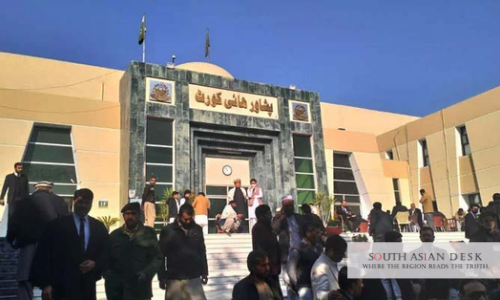
Dhaka Special Judge’s Court-4, presided over by Judge Mohammed Rabiul Alam, handed down the sentences in two separate cases filed by the Anti-Corruption Commission (ACC). Prosecutors alleged Hasina colluded with officials to allocate six ineligible plots in the Rajuk-managed Purbachal New Town Project. The project, aimed at urban development near the capital, became a focal point for Bangladesh corruption Hasina probes after her fall.
Hasina faced five years in each case, totalling 10. Tulip Siddiq sentenced to four years for allegedly influencing her aunt to favour family members. Azmina and Radwan, children of Hasina’s sister Sheikh Rehana, each received seven years. The ACC charged that Siddiq used her position as a British MP to sway decisions, though she holds no Bangladeshi citizenship.
Prosecutor Moinul Ahsan, representing the ACC, told media after the 11:00 AM hearing: “The court has upheld the charges of misuse of power and corruption.” The military issued a statement urging London police to arrest Tulip Siddiq and her family for extradition to Bangladesh law enforcement.
These add to Hasina’s prior convictions. In four earlier Sheikh Hasina graft case hearings since December 2025, she accumulated 26 years for similar land irregularities. Her children, Sajeeb Wazed and Saima Wazed, each got five years in those, while Rehana received seven.
Family Ties and Allegations
The Sheikh Hasina graft case centres on family nepotism. Prosecutors claimed Hasina directed Rajuk officials to grant plots to Rehana and her children despite rules barring such allocations. Tulip Siddiq, Labour MP for Hampstead and Highgate, dismissed the claims as a “politically motivated smear.” She stated: “I obtained no land from the government during my aunt’s rule.”
Azmina Siddiq and Radwan Mujib Siddiq, London-based, face similar absentia trials. The ACC filed charges on 13 January 2025, with investigations concluding by March. Court records show the plots valued at BDT 500 million, though exact figures require confirmation.
Bangladesh corruption Hasina inquiries surged post-2024. The United Nations reported up to 1400 deaths in the student-led uprising that ended Hasina’s 15-year tenure on 5 August 2024. Hasina fled to India, facing a death sentence in absentia for crimes against humanity tied to the crackdown.
Political Context
The verdicts precede Bangladesh’s 12 February elections, overseen by interim leader Muhammad Yunus. Hasina’s Awami League remains barred, fragmenting the political landscape. Analysts note the Sheikh Hasina graft case fuels anti-corruption drives but risks perceptions of vendetta under Yunus’s administration.
In South Asia, the case impacts regional dynamics. India’s sheltering of Hasina strains Dhaka-New Delhi relations, while UK involvement via Hasina niece UK lawmaker Tulip Siddiq prompts diplomatic scrutiny. Siddiq resigned her UK ministerial role in January 2025 amid related allegations but retains her seat.
The military’s call for Siddiq’s arrest highlights enforcement challenges. No UK-Bangladesh extradition treaty exists, making compliance unlikely. Siddiq’s Labour Party previously deemed earlier trials unfair, citing lack of due process.
Background
Sheikh Hasina’s rule from 2009 to 2024 emphasised development but faced graft accusations. The Purbachal project, launched in 1995, aimed to house 1 million but drew scrutiny for elite favouritism. ACC data shows over 50 cases against Awami League figures since 2024, recovering BDT 10 billion in assets.
Hasina’s family tree amplifies the scandal. As daughter of independence leader Sheikh Mujibur Rahman, her kin held influence. Tulip Siddiq, born in 1982, entered UK politics in 2015, blending South Asian roots with British policy. Bangladesh corruption Hasina probes now target this network, with over 100 family-related inquiries pending.
Prior Tulip Siddiq sentenced in December 2025 yielded a two-year term for similar influence-peddling, upheld despite appeals. Hasina’s exile complicates trials; India rejected extradition requests in 2025.
What’s Next
Appeals are expected within 30 days, potentially reaching Bangladesh’s Supreme Court. Yunus’s government may push for international arrests via Interpol. The Sheikh Hasina graft case could influence election turnout, projected at 70 percent per recent polls.
Hasina’s supporters claim bias, while critics demand asset seizures. Siddiq’s UK status shields her, but reputational damage lingers. Dhaka may seek diplomatic pressure on London for cooperation in the Sheikh Hasina graft case.
The Sheikh Hasina graft case underscores ongoing reforms, with ACC pledging impartiality. Outcomes may reshape Bangladesh’s governance, affecting South Asian stability.
Published in SouthAsianDesk, February 3rd, 2026
Follow SouthAsianDesk on X, Instagram and Facebook for insights on business and current affairs from across South Asia.