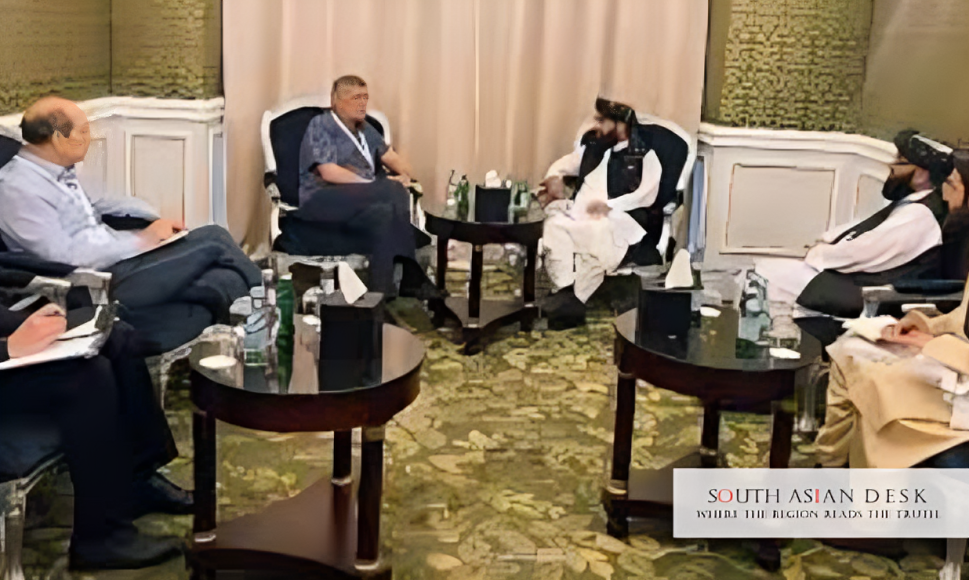
The fourth Doha Process Kabul session focused on counter-narcotics Afghanistan challenges, with pledges for regional cooperation against Taliban synthetic drugs threats.
The fourth meeting of the counter-narcotics working group under the Doha Process Kabul took place on 4 February 2026 in Kabul. Hosted by UNAMA, it gathered Taliban officials, UN representatives, diplomats and experts to address drug production and trafficking. Participants pledged support for alternative livelihoods and treatment amid rising synthetic drug concerns.
This Doha Process Kabul event holds significance for South Asia. Drug flows from Afghanistan impact neighbouring Pakistan and India through smuggling routes. Effective counter-narcotics Afghanistan measures could reduce regional addiction rates and cross-border crime.
UNAMA Kabul Meeting Details
The UNAMA Kabul meeting occurred at the Kabul Grand Hotel. It featured in-person and virtual participation. Taliban delegates from the ministries of foreign affairs, interior, agriculture and public health attended. UN agencies, the European Union, the Organisation of Islamic Cooperation and country representatives joined.
Taliban officials highlighted progress in counter-narcotics Afghanistan. They stated poppy cultivation dropped to near zero after a decree from their leader banning it. This ban, issued in 2022, has led to unprecedented reductions. Enforcement actions include raids and seizures.
Participants praised these efforts. They called the drop in poppy growth a historic achievement for Afghanistan. Several nations and organisations committed to aid. Proposals included funding for farmer support and addict rehabilitation.
Taliban Synthetic Drugs Warnings
A key focus at the Doha Process Kabul was Taliban synthetic drugs issues. Taliban representatives expressed alarm over synthetic and industrial drugs. They claimed raw material sources lie outside Afghanistan’s borders. Failure to stop these could harm the region and world.
This aligns with recent data. The UNODC released an assessment on 1 February 2026. It noted shifting drug use patterns in Afghanistan. Traditional substances like cannabis and opium dominate. But synthetic drugs and misused pharmaceuticals are rising.
The report found cannabis at 46 percent of use among men. Opium stood at 19 percent. Tablet K, a pharmaceutical, reached 11 percent. Methamphetamine hit 7 percent. Poverty and unemployment drive dependence. Drug costs often exceed daily wages.
Taliban officials urged joint action on Taliban synthetic drugs. They stressed mutual trust and investment. UNAMA and others echoed calls for alternative livelihoods. This includes crop substitution for farmers hit by the poppy ban.
Counter-Narcotics Afghanistan Challenges
Counter-narcotics Afghanistan faces hurdles despite gains. The poppy ban affects rural economies. Farmers need viable options to avoid relapse into illicit crops. Treatment centres require expansion. Afghanistan has millions of addicts needing care.
The UNAMA Kabul meeting addressed these. Delegates discussed rehab programmes. They proposed bilateral ties alongside the Doha Process Kabul framework. Emphasis fell on reintegrating addicts into society.
Data from UNODC shows synthetic shifts link to opium scarcity. Post-2023 enforcement reduced supply. Users turn to alternatives like methamphetamine. This trend demands border controls and regional pacts.
South Asian nations feel the impact. Pakistan reports increased synthetic inflows from Afghanistan. India faces similar smuggling. The Doha Process Kabul aims to foster cooperation. It builds on prior meetings in Doha.
Background on Doha Process
The Doha Process started in 2023. It seeks engagement with the Taliban on key issues. Counter-narcotics forms one pillar. Previous sessions in July 2025 discussed private sector and drugs.
The fourth Doha Process Kabul meeting builds on these. It follows UN Security Council calls for dialogue. The process promotes stability in Afghanistan. This aids South Asia by curbing instability sources like narcotics.
UN reports note Afghanistan’s role in global opium. In 2021, it produced 80 percent worldwide. The ban slashed this. But synthetic rises pose new risks. The UNAMA Kabul meeting marks progress in talks.
Experts at the session shared insights. They advocated data-sharing on trafficking routes. Proposals included tech for border monitoring. Taliban officials detailed enforcement stats. They reported thousands of arrests and destructions.
What’s Next
Future steps include more Doha Process Kabul coordination. Participants suggested follow-up sessions. Bilateral aid could fund projects. Monitoring synthetic trends remains key.
The UNODC plans further surveys. These will track use patterns. Taliban pledged continued enforcement. International support is vital for sustainability.
In conclusion, the Doha Process Kabul advances counter-narcotics Afghanistan goals. Sustained efforts against Taliban synthetic drugs will benefit the region.
Published in SouthAsianDesk, February 5th, 2026
Follow SouthAsianDesk on X, Instagram and Facebook for insights on business and current affairs from across South Asia.