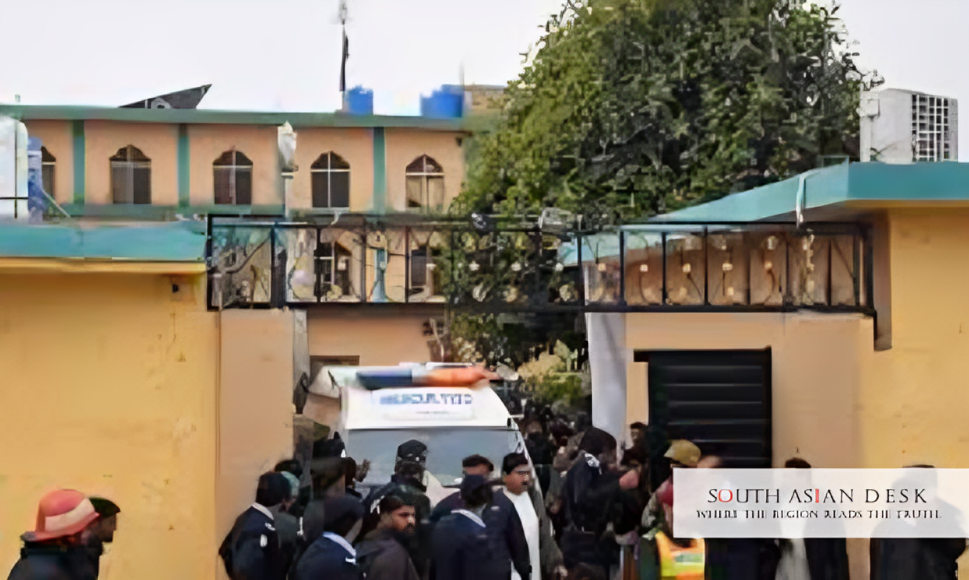
At least 36 people died in a suicide bombing at an imambargah in Islamabad during Friday prayers, with funerals held amid heightened security.
Islamabad. At least 36 people were killed and over 140 injured when a suicide bomber struck Imambargah Qasr-i-Khadijatul Kubra in Tarlai on Friday, February 6, 2026. The blast occurred as worshippers gathered for prayers. Officials identified the attacker as a Peshawar resident linked to the Islamic State group.
The Islamabad imambargah attack has sent shockwaves through Pakistan, exacerbating sectarian tensions in a country plagued by militant violence. This incident underscores vulnerabilities in urban security and raises questions about cross-border influences on terrorism in South Asia.
Details of the Suicide Bombing Tarlai
The explosion ripped through the imambargah at around 1:30 PM on Friday. Witnesses described chaos as the blast tore apart the building. Muhammad Kazim, a 52-year-old survivor, told AFP: “An extremely powerful explosion ripped through the building as prayers were just starting.”
Security sources confirmed the attacker was stopped at the gate before detonating explosives. Imran Mahmood, another worshipper, recounted: “The suicide attacker was trying to move forward, but one of our injured volunteers fired at him from behind, hitting him in the thigh.” The bomber then exploded his device.
Initial reports pegged the death toll at 31, but it rose as more victims succumbed to injuries. Dr Aneeza Jalil, spokesperson at Pakistan Institute of Medical Sciences (Pims), stated: “The number of deaths has reached 33, and nine patients are in very serious condition.” Three additional deaths occurred at HBS Hospital, bringing the total to 36. Over 149 injured arrived at Pims alone, with many in critical care.
The Islamic State group claimed responsibility via Telegram, releasing an image of the attacker. Defence Minister Khawaja Asif noted: “The man blew himself up in the last row of worshippers.” He added the bomber had travelled to Afghanistan multiple times and blamed India for sponsoring the assault, without evidence.
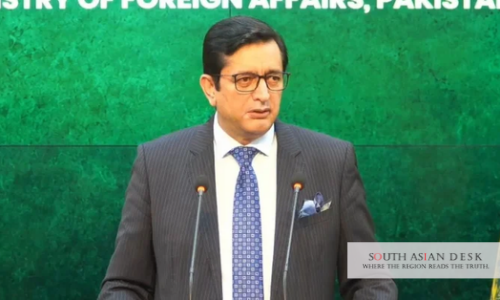
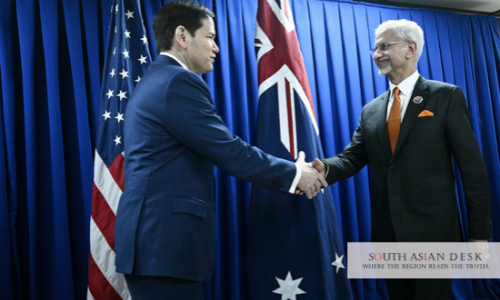
India’s Ministry of External Affairs condemned the attack but rejected Pakistan’s accusations. A statement read: “The bombing at an Islamabad mosque earlier today is condemnable and India condoles the loss of life.” Afghanistan also denied involvement.
Victims Islamabad Blast and Funerals
Funerals for victims of the Islamabad blast took place on Saturday, February 7, 2026. A mass funeral for 13 victims was held in the capital, attended by large crowds and Chairman of Interior Affairs Raja Khurram Nawaz. Inspector Bahadur Ali from Gilgit-Baltistan, killed in the blast, was laid to rest with full honours at Police Lines Headquarters. Senior officers, including Islamabad IGP Syed Ali Nasir Rizvi, attended. His body was sent to his native area.
Families mourned amid calls for justice. The victims Islamabad blast included worshippers from diverse backgrounds, highlighting the indiscriminate nature of the violence. Hospitals reported treating shrapnel wounds and burns, with some patients requiring surgery.
Prime Minister Shehbaz Sharif condemned the attack as a “cowardly act of terrorism” and directed authorities to provide immediate medical aid. He vowed: “Those responsible would be brought to justice, and no one would be allowed to spread hatred and insecurity in the country.”
Foreign Minister Ishaq Dar called it a “cowardly act against innocent worshippers,” stating on X: “Targeting places of worship and civilians is a heinous crime against humanity and a blatant violation of Islamic principles.”
Minister of State for Interior Talal Chaudhry confirmed the bomber’s identification through forensic analysis. He said: “The attacker is not an Afghan national but had travel history to Afghanistan.” Chaudhry accused militants sponsored by India and supported by Afghanistan.
Investigation into the Death Toll Islamabad Attack
Forensic teams used the Nadra database to identify the attacker as a resident of Gunj in Peshawar. Preliminary probes linked him to the Islamic State. Peshawar police interrogated family members, and raids in Nowshera led to detentions of suspected relatives.
A senior Khyber Pakhtunkhwa police official said: “We are making significant progress in the investigation.” Geo-fencing and CCTV footage aided the probe. All angles are under review.
The death toll Islamabad attack may rise further, with nine in serious condition.
UN Secretary-General António Guterres condemned the bombing “in the strongest terms,” reiterating: “Attacks against civilians and places of worship are unacceptable.” He called for accountability and solidarity with Pakistan against terrorism.
Background
The Islamabad imambargah attack is the deadliest in the capital since the 2008 Marriott hotel bombing, which killed 60. Pakistan has faced rising militant attacks, often targeting Shia sites. The Islamic State has claimed several such incidents, exploiting sectarian divides.
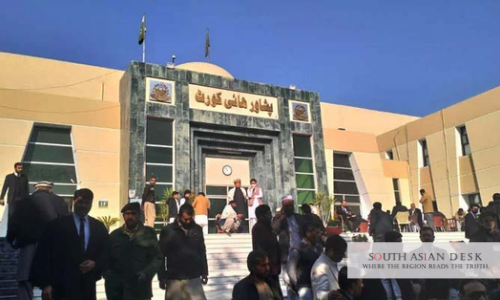
This blast follows a November court complex explosion in Islamabad that killed 12. Security alerts were high, yet the attacker breached defences. The incident highlights ongoing threats from groups like Islamic State Khorasan, active in Afghanistan and Pakistan.
In South Asia, such attacks fuel regional instability. Pakistan’s accusations against neighbours complicate diplomacy, amid denials from India and Afghanistan. The event may strain ties and prompt calls for joint counter-terrorism efforts.
What’s Next
Authorities pledged swift justice in the Islamabad imambargah attack. Investigations continue, with potential arrests expected. Enhanced security at religious sites is likely, as Pakistan combats extremism.
Published in SouthAsianDesk, February 7th, 2026
Follow SouthAsianDesk on X, Instagram and Facebook for insights on business and current affairs from across South Asia.