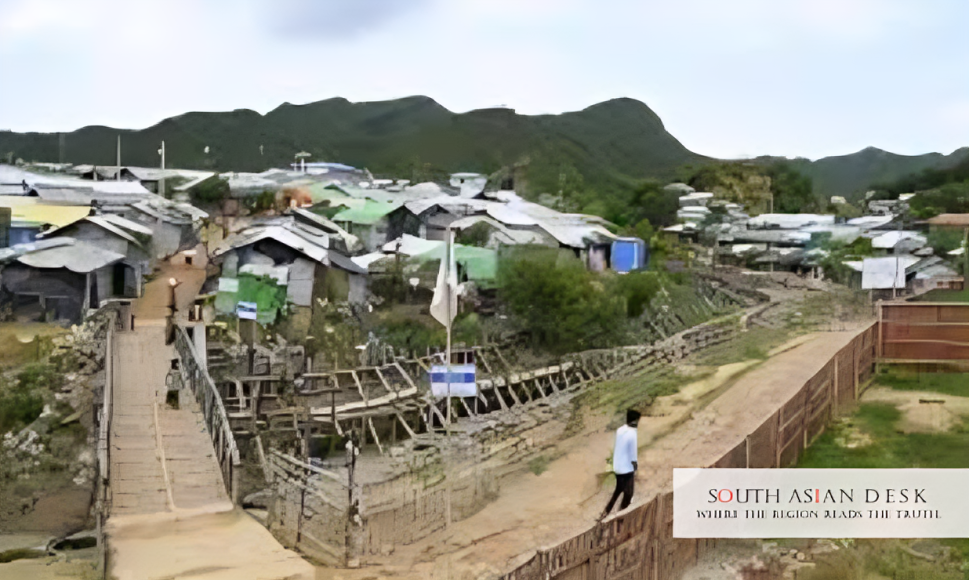
Joint forces led by the Bangladesh Army detained over 600 Rohingya living illegally outside designated refugee camps in Ukhiya upazila, Cox’s Bazar, on Sunday, ahead of national elections. The detainees, sheltered by locals, were returned to the camps to maintain security.
Cox’s Bazar, Bangladesh – Over 600 Rohingya detained in a joint operation outside the Forcibly Displaced Myanmar Nationals (FDMN) camps in Palongkhali Union, Ukhiya upazila, Cox’s Bazar district.
The action occurred on Sunday, 8 February 2026, as authorities intensified measures to ensure stability before the forthcoming national parliamentary elections.
Ukhiya police station officer-in-charge Nur Ahmed confirmed that the Rohingya were living in several places within Palongkhali union under the shelter of Bangladeshis. The joint forces, led by the Bangladesh Army, conducted the operation and returned the detainees to the camps.
Rohingya Detained Cox’s Bazar in Security Drive
The detention targeted Rohingya living outside camps Bangladesh, a recurring issue in the region. Officials stated that the drive aimed to prevent potential criminal activities and disruptions during the election period.
Nur Ahmed said: “We have urged all Rohingya to return to camps ahead of the elections. We feared that many would engage in criminal activities, including creating chaos during the forthcoming national elections.”
The operation focused on areas such as Balukhali and surroundings in Palongkhali union. Reports indicate the drive was ongoing at the time of initial reporting.
Rohingya Arrested Ukhiya Amid Ongoing Entries
Mohammed Mizanur Rahman, a top official with the Office of the Refugee Relief and Repatriation Commissioner (RRRC), noted that around 1,000 Rohingya were staying in the Palongkhali union. Some took shelter from Bangladeshis, while others built houses on forest land after paying money to certain officials.
He added: “In the past 2.5 years, over 1.5 lakh Rohingya entered into Bangladesh from Myanmar. Although we have taken their entry in the system, but we could not provide home for all of them.” He further stated that Rohingyas were still entering Bangladesh daily.
Identification of registration status with the United Nations High Commissioner for Refugees (UNHCR) and RRRC was pending for the detained group.
Rohingya Living Outside Camps Cox’s Bazar: Broader Context
The Rohingya crisis traces back to August 2017, when around eight lakh Rohingya crossed into Bangladesh from Myanmar’s Rakhine State to escape a military crackdown. Bangladesh now hosts around 13 lakh displaced Rohingya, including 32,000 annual newborns in the camps.
The presence of Rohingya living outside camps Cox’s Bazar has grown due to overcrowding and limited capacity within designated areas. Authorities have conducted similar operations periodically to enforce camp residency rules.
In recent days, joint forces have carried out comparable drives elsewhere, such as in Chattogram, detaining hundreds of Rohingya living illegally outside camps.
The latest action in Ukhiya reflects heightened security concerns in the lead-up to elections, with officials emphasising the need to curb unauthorised movement and potential risks.
Background
The Cox’s Bazar camps remain one of the world’s largest refugee settlements. Bangladesh has long called for international support for repatriation to Myanmar, citing resource strains. Daily entries continue despite efforts to manage inflows.
Local integration remains restricted, and policies require Rohingya to reside within designated camps for registration, aid access, and security oversight.
What’s Next
Authorities have indicated that operations to locate and return Rohingya living outside camps Bangladesh will continue as needed. Further detentions under Rohingya detained Cox’s Bazar actions may occur to safeguard election integrity and regional stability.
The focus remains on ensuring all displaced persons return to camps while addressing ongoing border challenges.
Published in SouthAsianDesk, February 9th, 2026
Follow SouthAsianDesk on X, Instagram and Facebook for insights on business and current affairs from across South Asia.