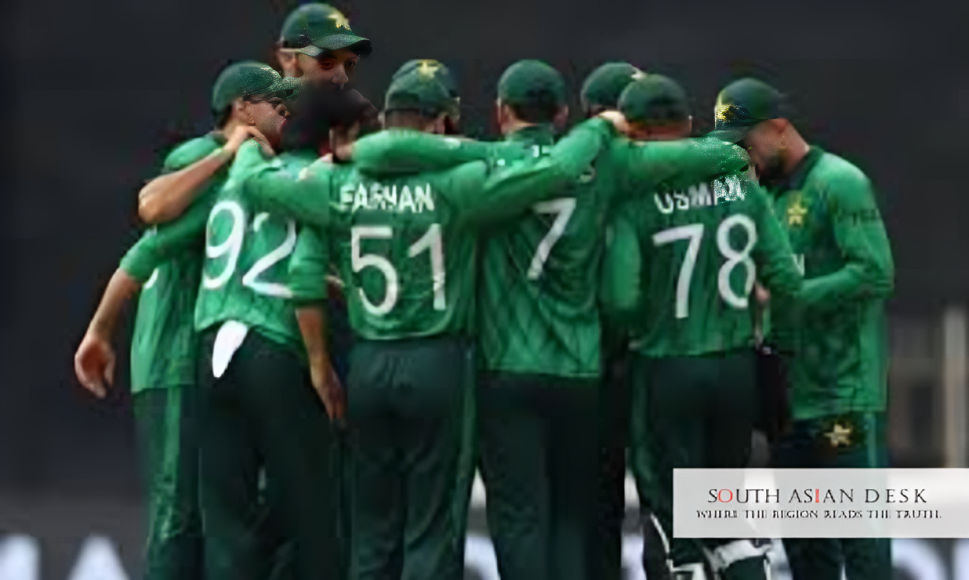
Pakistan has reversed its boycott of the match Pakistan vs India in the T20 World Cup. The government directed the team to play on February 15 in Colombo after multilateral talks.
Pakistan‘s government has directed its national cricket team to face India in the T20 World Cup on February 15, 2026, in Colombo, Sri Lanka. The decision ends a proposed boycott that stemmed from geopolitical concerns. Prime Minister Shehbaz Sharif approved the move following discussions with the International Cricket Council and other boards. The match, a key fixture in Group A, will proceed as scheduled at the R Premadasa Stadium.
This reversal ensures the continuation of one of cricket’s most anticipated rivalries. In South Asia, where cricket unites millions, the Pakistan vs India T20 World Cup 2026 encounter holds immense cultural and economic significance. It draws massive viewership and boosts regional tourism, especially in host nations like Sri Lanka.
Pakistan Boycott Ends India Match After Talks
The Pakistan government directs team India to play after initial reluctance. Officials cited requests from friendly countries including Sri Lanka, the United Arab Emirates, and Bangladesh. These nations highlighted the financial impact of a boycott on the tournament.
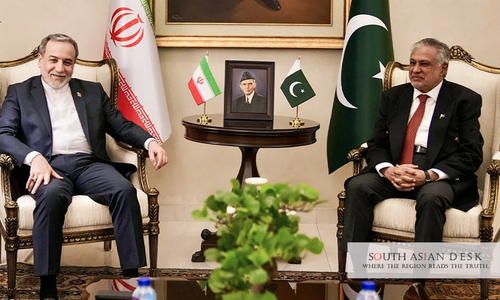
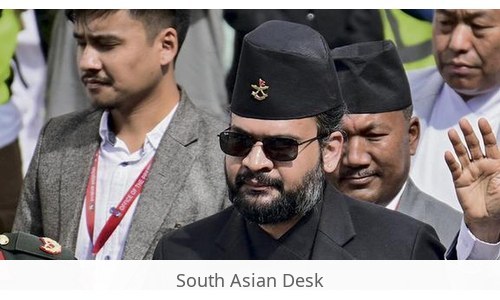
The government’s statement read: “In view of the outcomes achieved in multilateral discussions, as well as the request of friendly countries, the Government of Pakistan hereby directs the Pakistan National Cricket Team to take the field on February 15, 2026, for its scheduled fixture in the ICC Men’s T20 World Cup.” This directive came late on February 9, 2026, after Pakistan Cricket Board Chairman Mohsin Naqvi met with Prime Minister Sharif.
The International Cricket Council welcomed the decision. An ICC statement noted: “The dialogue between ICC and Pakistan Cricket Board took place as part of a broader engagement, with both parties recognising the need for constructive dealings and being united, committed and purposeful in their aspirations to serve the best interests of the game with integrity, neutrality and cooperation.”
The T20 World Cup Colombo Feb 15 match had been under threat since late January. Pakistan’s initial boycott was in solidarity with Bangladesh, which withdrew from the tournament over security concerns in India. The ICC dismissed Bangladesh’s claims, leading to their exclusion. Pakistan Cricket Board decried this as double standards and announced the boycott on February 1, 2026.
Negotiations intensified over the past week. Bangladesh Cricket Board Chairman Aminul Islam and ICC Director Imran Khawaja visited Lahore on February 8, 2026, to meet Pakistan officials. They urged participation to protect the tournament’s integrity and revenue sharing among members.
Sri Lanka, co-hosting the event with India, faced potential losses from cancelled bookings in Colombo. Hotels and tourism operators had prepared for an influx of fans for the Pakistan vs India T20 World Cup 2026 game. The United Arab Emirates also pressed for resolution, citing broader implications for cricket’s global growth.
Background
The rivalry between Pakistan and India in cricket dates back to 1952. In T20 World Cups, they have met seven times, with India winning five, Pakistan two, and one tie. The last encounter was in 2024, where India triumphed by six runs in New York.
Geopolitical tensions often influence bilateral series. The two nations have not played a Test since 2007 or a bilateral series in Pakistan since 2006. Multilateral events like the T20 World Cup provide rare opportunities for clashes.
The 2026 edition, co-hosted by India and Sri Lanka, features 20 teams in four groups. Pakistan and India are in Group A with Ireland, Canada, and the United States. The tournament began on February 1, 2026, with Pakistan defeating the Netherlands in their opener.
The boycott threat echoed past disputes. In 2023, Pakistan hesitated over the Asia Cup venue due to security. Similar issues arose in the 2025 Champions Trophy, resolved through hybrid models.
This incident underscores cricket’s role in South Asian diplomacy. Matches foster goodwill but can escalate tensions. The ICC’s revenue model relies heavily on India-Pakistan games, generating up to 80% of broadcast income from such fixtures.
Fans in Pakistan and India expressed relief online. Viewership for Pakistan vs India T20 World Cup 2026 is projected to exceed 400 million globally, with peaks in South Asia.
The Pakistan government directs team India to compete with national pride. Prime Minister Sharif extended best wishes to the “Men in Green,” confident in their performance.
T20 World Cup Colombo Feb 15 Preparations
Security remains a priority for the T20 World Cup Colombo Feb 15 clash. Sri Lankan authorities have deployed 5000 personnel around the venue. The ICC confirmed enhanced measures, including anti-drone technology.
Both teams arrived in Colombo on February 10, 2026. Pakistan trained at the stadium, focusing on spin bowling against India’s strong batting lineup. Captain Babar Azam said the team is ready to deliver.
India, led by Rohit Sharma, seeks to defend their 2024 title. They have won both group matches so far, topping the standings.
Ticket sales surged after the announcement. Over 30000 seats at R Premadasa Stadium sold out within hours. Broadcast rights holder Disney Star anticipates record ad revenue.
The match starts at 7:30 PM local time, lasting about three hours. Weather forecasts predict clear skies, ideal for play.
What’s Next
The winner of the Pakistan vs India T20 World Cup 2026 match gains a strong position for Super 8 qualification. Pakistan faces Ireland next on February 17, while India plays Canada on February 18.
The tournament culminates on March 1, 2026, in Mumbai. Analysts predict India as favourites, but Pakistan’s pace attack could upset.
This decision paves the way for future collaborations. The ICC plans discussions on hybrid models for upcoming events.
As the Pakistan boycott ends India match, focus shifts to the field. The Pakistan vs India T20 World Cup 2026 encounter promises high-stakes action in Colombo.
Published in SouthAsianDesk, February 10th, 2026
Follow SouthAsianDesk on X, Instagram and Facebook for insights on business and current affairs from across South Asia.