

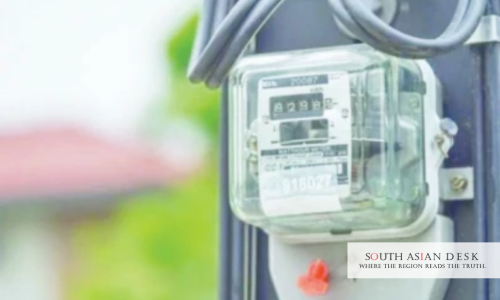
The National Electric Power Regulatory Authority (NEPRA) has approved new fixed charges structure for electricity consumers in Pakistan, effective February 12, 2026. The federal government is authorized to impose fixed charges of up to Rs350 per month on domestic consumers, including those previously protected, using up to 300 units. This move also permits a 100% increase in existing fixed charges for consumers using up to 600 units.
In contrast, NEPRA has sanctioned reductions in tariffs for various industrial categories by up to Rs4.58 per unit and for certain domestic consumers by up to Rs1.53 per unit. This decision aligns with the federal government’s tariff rationalisation motion for XWDiscos and K-Electric, ensuring compliance with the consolidated revenue requirement and the Rs249 billion tariff differential subsidy for the calendar year 2026.
NEPRA observed that the current tariff design predominantly relies on volumetric charges, with over 93% of system costs recovered through per-unit charges, while only 7% are collected as fixed charges. This structure is misaligned with the fixed nature of major cost components such as generation capacity payments and NTDC/HVDC charges. The National Electricity Plan envisions a gradual shift towards a fixed-cost-based tariff structure, aiming for fixed charges to cover at least 20% of total fixed costs.
Under the revised structure, fixed charges for domestic consumers, excluding lifeline users, range from Rs200 to Rs675 per kW per month. Increases in fixed charges for consumers using more than 300 units and Time-of-Use (ToU) connections are offset by reductions in variable rates. Revenue from fixed charges will reduce cross-subsidies for industrial consumers, leading to per-unit tariff cuts between Re1 and Rs4.58.
The revised tariff is expected to generate an additional Rs132 billion annually, raising fixed-charge revenue to Rs355 billion from Rs223 billion. As a result, total annual subsidies and cross-subsidies, currently estimated at Rs629 billion, are anticipated to decrease to Rs527 billion. The decision removes a Rs102 billion cross-subsidy from industrial to domestic users, extending fixed charges to previously exempt residential consumers.
Published in SouthAsianDesk, February 12th, 2026
Follow SouthAsianDesk on X, Instagram and Facebook for insights on business and current affairs from across South Asia.
