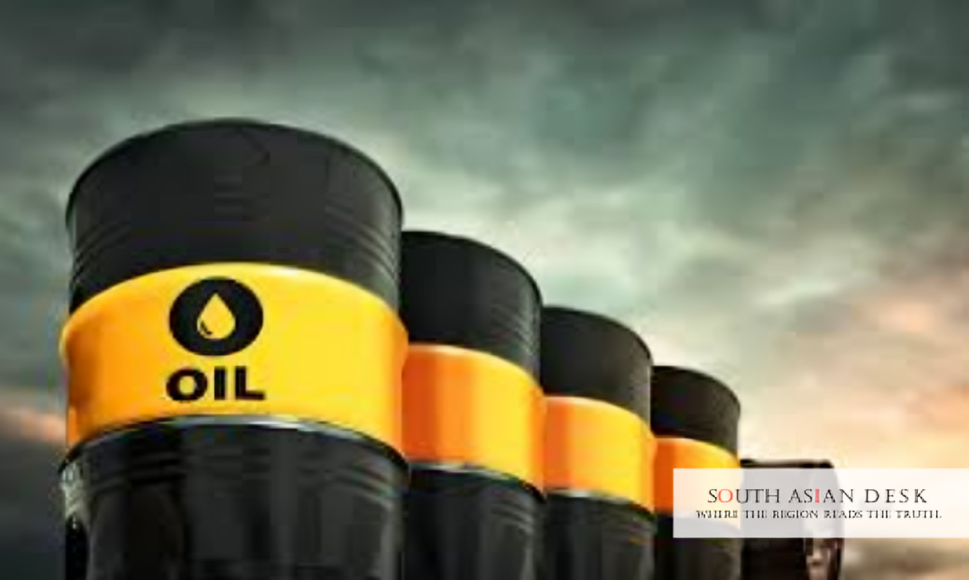
India’s Reliance Industries has secured a US license for Venezuelan oil imports, allowing direct purchases amid eased sanctions following the capture of Venezuelan President Nicolas Maduro. The move, reported on 13 February 2026, enables the firm to replace Russian supplies with discounted crude.
Reliance Industries Ltd has obtained a US license for Venezuelan oil, marking a shift in India’s energy sourcing strategy. This development comes after the US eased sanctions on Venezuela’s oil sector post-Maduro’s detention earlier this month.
The India Reliance Venezuela deal aligns with broader US efforts to stabilise global oil markets and support Venezuela’s reconstruction. For South Asia, it bolsters energy security amid fluctuating Russian supplies, potentially lowering fuel costs in India and neighbouring regions reliant on imported crude.
US License Venezuelan Oil: Details of the Authorization
Sources indicate that the US Office of Foreign Assets Control (OFAC) granted Reliance a general license authorising the purchase, export, and refining of Venezuelan-origin oil. Reliance applied in early January 2026. The license permits direct imports, bypassing intermediaries like traders Vitol and Trafigura, who previously held similar approvals.
Reliance, operator of the world’s largest refining complex in Jamnagar with 1.4 million barrels per day capacity, aims to use Reliance Venezuelan oil to offset Russian crude. Earlier this month, the firm bought 2 million barrels of Venezuelan crude from Vitol, its first such purchase in nearly a year.
The US license Venezuelan oil for Reliance follows President Donald Trump’s removal of a 25% punitive tariff on India. Trump encouraged New Delhi to increase oil buys from the US and Venezuela to seal a trade pact. This India Reliance Venezuela deal could accelerate Venezuelan exports, aiding a proposed $2 billion oil supply agreement between Caracas and Washington.
Background on Reliance Venezuelan Oil Engagements
Reliance was a regular buyer of Venezuelan crude before halting purchases in early 2025 due to US sanctions. The heavy crude suits Reliance’s advanced refineries, often sold at discounts of $6.5 to $7 per barrel below ICE Brent.
Venezuela’s oil industry, hampered by years of sanctions and underinvestment, sees potential revival through a $100 billion US-backed reconstruction plan. The capture of Maduro on 1 February 2026 prompted Washington to relax restrictions, issuing general licenses to facilitate exports.
In South Asia, India’s state refiners have avoided Russian oil for April deliveries, expecting continued shifts. This Reliance Venezuelan oil strategy supports India’s diversification, reducing dependence on Moscow amid geopolitical tensions.
Implications for South Asian Energy Markets
The US license Venezuelan oil opens doors for other Indian firms, though Reliance leads as the largest private refiner. Analysts project lower refining margins if discounted Venezuelan crude floods markets, benefiting consumers in Pakistan, Bangladesh, and Sri Lanka through stabilised prices.
Reliance has not issued a public statement, and OFAC did not respond to queries outside business hours.
The India Reliance Venezuela deal ties into US-Venezuela pacts, where payments to Venezuelan entities must route through designated US accounts, ensuring transparency. This prevents funds from supporting sanctioned regimes.
What’s Next for Reliance Venezuelan Oil
Forward-looking, Reliance plans to ramp up Venezuelan imports, potentially securing 10 million barrels monthly if logistics stabilise. This could enhance India’s bargaining power in global oil talks.
The US license Venezuelan oil may prompt similar applications from South Asian refiners, fostering regional energy ties. Venezuela’s PDVSA has limited sales to licensed buyers, streamlining exports.
As reconstruction advances, Reliance Venezuelan oil supplies could integrate into long-term contracts, solidifying India’s role in post-sanctions Venezuela. So, India is actively taking part to curb russian oil imports.
Published in SouthAsianDesk, February 14th, 2026
Follow SouthAsianDesk on X, Instagram and Facebook for insights on business and current affairs from across South Asia.