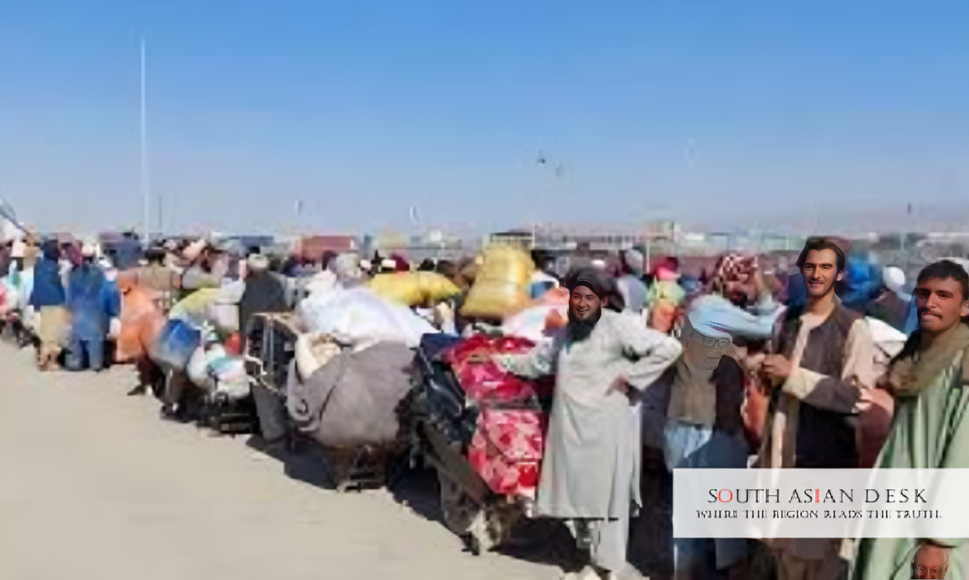
Nearly 150,000 Afghans returned from Pakistan and Iran in the first weeks of 2026, according to UNHCR data. These returns add to 5.4 million since October 2023, worsening the Afghan repatriation crisis in a country facing economic collapse and natural disasters.
The influx of Afghans returned from Pakistan and Iran strains South Asia’s fragile humanitarian landscape. Afghanistan’s population has swelled by over four percent in a year, per World Bank estimates, leading to reduced GDP per capita and heightened regional tensions over migration policies.
Afghans Returned From Iran Fuel Ongoing Surge
UNHCR reports show that Afghans returned from Iran make up a significant portion of the 2026 figures. In 2025 alone, over 1.8 million Afghans crossed back from Iran, many through border points like Islam Qala and Milak-Zaranj. This year, the pace continues despite winter conditions, with nearly 150,000 total returns from both neighbours by mid-February.
Data from UNHCR’s operational portal indicates registered refugee returnees to Afghanistan in January 2026 included 14,564 from Pakistan and 61 from Iran. These numbers reflect both voluntary and forced movements, driven by host country policies. Iran’s government enforced deportations of undocumented Afghans, expelling over 1.2 million in 2025, according to ACAPS reports. Official Iranian data on 2026 returns remains limited, but trends suggest sustained pressure.
Afghans returned from Pakistan face similar drivers. Pakistan’s Illegal Foreigners Repatriation Plan, initiated in 2023, targeted undocumented individuals first, then Afghan Citizen Card holders. In 2025, over 995,700 returned from Pakistan, per IOM and UNHCR joint data. The plan’s extension affected Proof of Registration card holders, though a one-year renewal to June 2025 provided temporary relief for 1.45 million.
UNHCR Afghan Returns 2026 Highlight Reintegration Struggles
UNHCR Afghan returns 2026 data reveal deep challenges for those arriving home. A recent UNHCR survey of returnees found over half lack civil documentation such as identity cards. More than 90 percent live on less than USD 5 per day. Employment is scarce; just over half of returnees secure informal work, while fewer than a quarter of women do.
“We are deeply concerned about the sustainability of these returns,” stated UNHCR in a February 2026 briefing note. “These decisions are not driven by a desire to leave but by the reality that many are unable to rebuild a viable and dignified life.” The agency noted that five percent of surveyed returnees plan to depart Afghanistan again, with over 10 percent knowing others who have already left.
The Afghan repatriation crisis compounds Afghanistan’s woes. Recurring droughts, earthquakes, and a deteriorating human rights situation especially affect women and girls. Returnees arrive in freezing temperatures and heavy snowfall, overwhelming local resources. UNHCR’s Arafat Jamal described 2025’s 2.9 million returns as the largest to any single country, pushing Afghanistan to the brink.
Background
Afghanistan has hosted waves of displacement since the 1970s Soviet invasion. Pakistan and Iran sheltered millions during Taliban rule and US-led intervention. By early 2025, Pakistan hosted 1.6 million Afghan refugees. Iran’s figures topped 2.5 million undocumented alongside 951,142 registered. Taliban control since 2021 shrank asylum options, prompting host nations to tighten policies.
Pakistan’s repatriation plan followed security concerns after border incidents. Iran’s deportations aligned with national security claims, including fears of foreign infiltration. Total returns since October 2023 reach 5.4 million, with 64.4 percent from Iran and 34.1 percent from Pakistan in 2025 data.
Afghan Repatriation Crisis Demands Urgent Aid
The Afghan repatriation crisis requires scaled-up support. UNHCR seeks USD 216 million for 2026 to provide protection services, housing, and livelihoods, especially for women. Current funding stands at eight percent. Without aid, reintegration fails, risking further migration and instability.
Partners like IOM monitor border flows. Weekly updates show steady UNHCR-assisted returns from Pakistan in early 2026.
What’s Next
UNHCR plans to enhance monitoring with UN agencies. Calls persist for host countries to uphold asylum access and avoid forced returns where rights are at risk. Additional donor support could stabilise reintegration, preventing secondary displacement.
As Afghans returned from Pakistan continue amid the Afghan repatriation crisis, regional cooperation remains key to averting deeper humanitarian fallout.
Published in SouthAsianDesk, February 14th, 2026
Follow SouthAsianDesk on X, Instagram and Facebook for insights on business and current affairs from across South Asia.