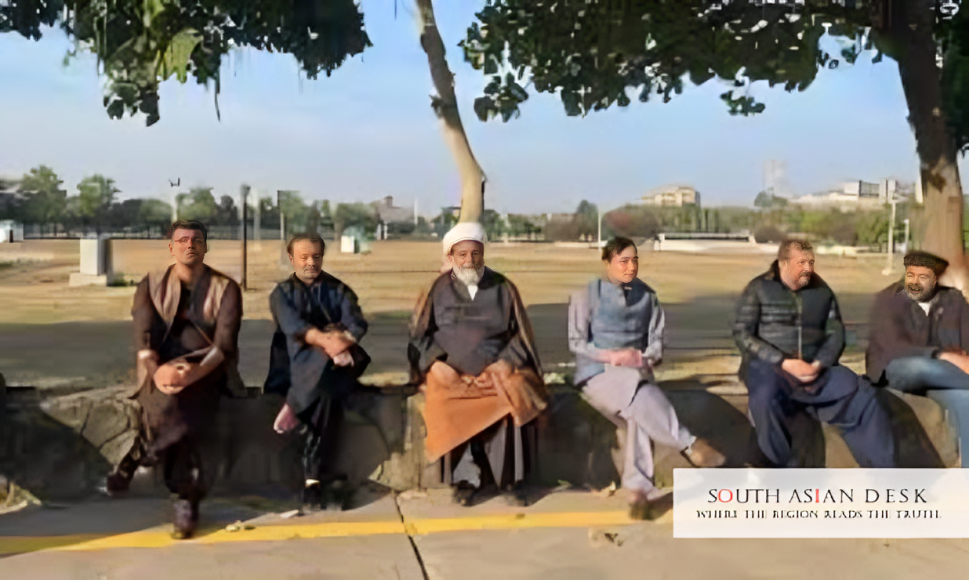
Protesters demand immediate hospital transfer for jailed former PM amid severe vision loss reports.
Islamabad: Opposition alliance Tehreek-i-Tahafuz-i-Ayin-i-Pakistan staged a TTAP sit-in at Parliament House on Sunday, February 15, 2026, entering its third day over Imran Khan health concerns. The protest follows a Supreme Court revelation on February 12 that the PTI founder has only 15 per cent vision left in his right eye while detained in Adiala Jail. Demonstrators seek his Adiala Jail transfer to a private hospital for specialist care.
The TTAP sit-in highlights growing tensions in Pakistan’s political landscape, where Imran Khan health issues underscore broader debates on detainee rights and access to medical treatment in custody.
Imran Khan Health Deteriorates in Custody
A medical report submitted to the Supreme Court on February 12 detailed Imran Khan health decline, stating he suffered rapid vision loss over three months. The document, prepared by jail authorities, attributed the condition to possible central retinal vein occlusion, a blockage in the retinal vein requiring urgent specialist intervention.
PTI officials expressed alarm. In a statement on February 14, the party said: “Pakistan Tehreek-e-Insaf expresses profound concern and deep anguish over the detailed report submitted before the Supreme Court, highlighting the alarming deterioration in Imran Khan’s eyesight.” They demanded immediate access to personal physicians and an Adiala Jail transfer to a reputable hospital.
Government representatives responded on February 14. Federal Minister Dr Tariq Fazal Chaudhry announced plans to shift Imran Khan to a hospital and form a medical board for eye treatment. He stated the decision was on humanitarian grounds, with a two-member panel to monitor his condition. Information Minister Attaullah Tarar later confirmed Imran Khan was moved to PIMS Hospital late on February 14 for examination, adding: “He is in good health.”
However, TTAP leaders disputed this. Spokesperson Akhunzada Hussain Yousafzai told reporters the TTAP sit-in would persist until demands were met, citing police restrictions on food deliveries that affected diabetic participants. An anonymous TTAP leader revealed negotiations stalled over doctor selections, saying: “We were informed that Imran Khan will be shifted to Shifa International Hospital, but a demand was made that doctors in the medical board be changed.”
By 12:49 PM on February 15, no official confirmation of the Adiala Jail transfer’s completion reached protesters, prompting continued action.
PTI Parliament Protest Gains Momentum
The PTI Parliament protest, part of the TTAP sit-in, involved key figures like PTI Chairman Barrister Gohar Ali Khan, Senate Opposition Leader Allama Raja Nasir Abbas, and MNA Asad Qaiser. They gathered outside Parliament House, vowing to remain until Imran Khan health needs were addressed.
PTI’s central media department issued a statement on February 14: “Transferring Imran Khan to any location without informing his family and physicians, or commencing any medical examination or treatment in their absence, is a grave violation of the Constitution of Pakistan and jail rules.” The party rejected secrecy around his care, insisting on family presence and independent oversight.
Khyber Pakhtunkhwa Chief Minister Ali Amin Gandapur supported the effort with a separate sit-in at KP House. He contacted government officials, who cited absences of key ministers as delaying decisions. Protesters chanted for transparency, linking Imran Khan health to systemic issues in prisoner treatment.
International observers noted the PTI Parliament protest’s scale, with social media amplifying calls for action. PTI’s X posts on February 14 and 15 urged supporters to demand urgent treatment, stating: “This is no longer a political issue. It is a matter of basic human rights and custodial responsibility.”
Background
Imran Khan, 73, has been in Adiala Jail since 2023 on corruption charges. His party alleges neglect, including solitary confinement for over two years and denied access to dentists or regular blood tests. A January 2026 eye procedure at PIMS Hospital addressed earlier concerns, but PTI claims insufficient follow-up led to the current crisis.
The Supreme Court intervened on February 12, ordering a fresh medical review and phone contact with his sons in the UK. PTI warned that permanent vision damage would hold jail authorities accountable. Government denials of negligence persist, with officials stressing all prisoners receive legal medical entitlements.
This episode revives debates on political detentions in Pakistan, where opposition figures often cite health as leverage against perceived injustices. Imran Khan health reports have sparked similar protests before, but the TTAP sit-in marks a unified opposition front.
What’s Next
The TTAP sit-in may extend if the Adiala Jail transfer remains unverified. Supreme Court directives require completion by February 16, potentially forcing government action. PTI plans legal challenges if access to personal doctors is denied. Observers predict escalation if Imran Khan health worsens, impacting national stability.
Resolution hinges on transparent medical processes, but ongoing disputes suggest prolonged standoffs. Imran Khan health remains central to Pakistan’s political discourse.
Published in SouthAsianDesk, February 15th, 2026
Follow SouthAsianDesk on X, Instagram and Facebook for insights on business and current affairs from across South Asia.