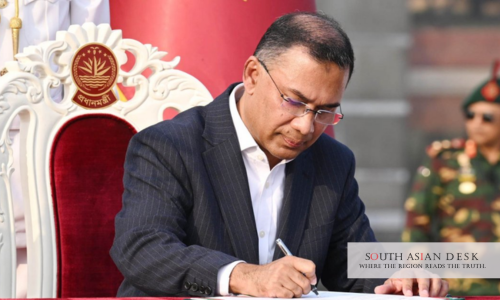
On February 18, 2026, Bangladesh witnessed a significant political shift as the Bangladesh Nationalist Party (BNP) returned to power after nearly two decades in opposition. Tarique Rahman, the party chairman, was sworn in as the country’s 11th prime minister in a ceremony held at the South Plaza of the National Parliament Complex.
The oath was administered by President Md Sahabuddin at 4:06 pm in front of a large audience comprising national and international dignitaries, political leaders, and thousands of supporters. The event marked the conclusion of the 13th National Parliamentary Election, where BNP secured 209 out of 300 seats, achieving a two-thirds majority.
This transition ended the 18-month interim administration led by Nobel Laureate Professor Muhammad Yunus, which had taken over following the fall of the Awami League government during the 2024 mass uprising. The open-air ceremony highlighted the scale of change and public enthusiasm.
Rahman, accompanied by his family, received a standing ovation as he arrived. Following his oath, 25 ministers and 24 state ministers were sworn in, with many new faces in the cabinet. Notably, Jamaat-e-Islami MPs initially resisted but eventually joined the swearing-in, becoming the main opposition.
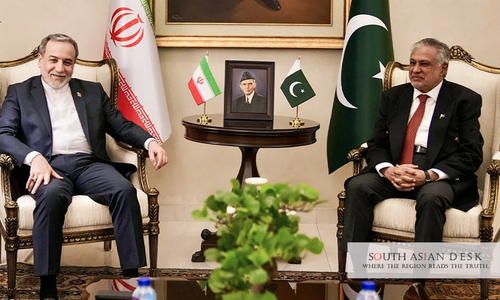
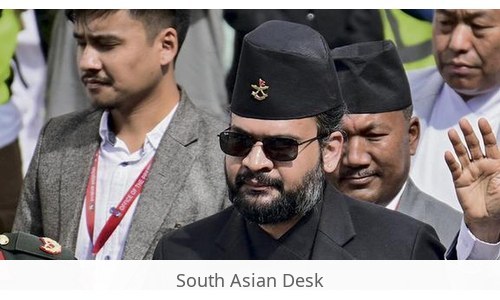
The ceremony drew significant regional attention, with dignitaries from India, Maldives, Bhutan, Pakistan, Nepal, and Sri Lanka in attendance. The day was a celebration for BNP supporters, symbolizing political restoration and emotional closure after years of legal struggles and exile.
Finance and Planning Minister Amir Khasru Mahmud Chowdhury emphasized economic stabilization and institutional reform, while other ministers highlighted anti-corruption efforts and policy priorities in education, healthcare, and law enforcement.
Founded by President Ziaur Rahman, BNP first gained a parliamentary majority in 1979. After years of political turmoil, Tarique Rahman’s leadership marks a new chapter for the party. The election reshaped Bangladesh’s political landscape, with BNP and Jamaat-e-Islami as the principal political forces.
As the ceremony concluded, a sense of transition and renewed expectations filled the air, marking the beginning of a new political era in Bangladesh.
Published in SouthAsianDesk, February 18th, 2026
Follow SouthAsianDesk on X, Instagram and Facebook for insights on business and current affairs from across South Asia.