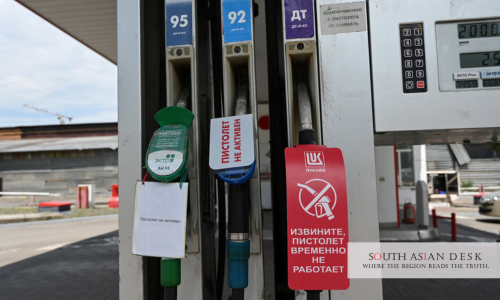
Russia buys gasoline from India as Moscow looks to ease domestic fuel shortages caused by disruptions to its energy infrastructure, high seasonal demand and pressure on refinery output, according to industry sources.
The move marks an unusual reversal in the energy relationship between the two countries. Since 2022, India has become one of the largest buyers of Russian crude oil, refining discounted Russian barrels for domestic use and export. Now, Russia is reportedly turning to Indian-refined gasoline to help stabilise its own fuel market.
Industry sources said at least 60,000 metric tons of gasoline have been dispatched from India to Russia. Two tankers, each carrying parcels of around 30,000 to 40,000 tons, have reportedly been sent by sea. Russia is also looking at wider imports from several countries, including Belarus, as it tries to contain shortages across its vast domestic market.
Russia Buys Gasoline from India After Refinery Disruptions
Russia’s fuel system has come under growing strain after repeated Ukrainian drone attacks on refineries and energy infrastructure. The impact has been felt across Russia’s 11 time zones, with reports of rationing, long queues at filling stations and rising gasoline prices.
The Kremlin said it was in contact with other countries and discussing fuel imports at acceptable prices. Russia’s energy ministry and India’s oil ministry did not immediately comment on the reported shipments.
The timing is especially difficult for Moscow because summer usually brings higher gasoline consumption. Russia’s summer gasoline demand is estimated at at least 110,000 tons per day, meaning the 60,000 tons reportedly shipped from India would cover only a limited portion of national demand. Even so, the purchase is significant because Russia is a major oil producer and traditionally supplies refined products to other markets rather than importing them in response to domestic shortages.
India Gasoline Exports Highlight a Changing Energy Trade
The reported shipments also underline India’s growing role as a refining hub. Indian refiners have been purchasing large volumes of Russian crude since Western buyers reduced imports after Moscow’s invasion of Ukraine. India’s Russian oil imports reached about 2.70 million barrels per day in June, according to ship-tracking data cited by Reuters, making Russia the source of more than half of India’s total crude imports that month.
This has created a striking trade pattern. Russia sells crude oil to India, while India refines crude into products such as diesel, gasoline and aviation fuel. In the current case, some of that refined fuel is now reportedly being sent back toward Russia to address shortages.
The development does not necessarily mean India is selling Russian crude back to Russia in processed form in a direct one-to-one chain. Refineries blend crude from different sources, and fuel products are traded based on availability, price and logistics. But commercially, the story reflects how global fuel flows have become more flexible as sanctions, war risks and supply disruptions reshape energy markets.
Why Russia Fuel Shortages Matter
Russia’s fuel shortages are important because they touch both domestic politics and the wider war economy. Gasoline shortages affect ordinary consumers, transport companies, agriculture, logistics and regional businesses. If shortages persist, they can feed inflation and create pressure on local authorities.
Moscow has already relied on measures such as export restrictions, import discussions and policy adjustments to manage the pressure. Belarus has also increased fuel supplies to Russia by rail, according to industry reporting, while Russia is said to be considering broader monthly imports from multiple countries.
The challenge is not simply crude supply. Russia remains a major crude oil producer. The problem lies in refining capacity, distribution and the ability to process crude into usable domestic fuel after infrastructure disruptions. When refineries are damaged or forced into repairs, crude availability alone does not solve shortages at petrol stations.
Ukraine Drone Attacks and Russian Energy Infrastructure
Ukraine has intensified attacks on Russian energy assets as part of its wider strategy to weaken Moscow’s war capacity. Refineries, depots and logistical facilities have become recurring targets because they support military operations and domestic fuel supply.
Russia, for its part, has also continued attacks on Ukrainian energy and civilian infrastructure. The conflict has increasingly affected fuel systems on both sides, adding volatility to regional energy markets.
For Russia, the reported purchase of Indian gasoline suggests that repairs and domestic rebalancing have not been enough to fully stabilise supply. Importing fuel by sea is a practical short-term measure, but it is unlikely to be a complete solution if refinery outages continue or if demand remains elevated through the summer.
What It Means for India
For India, the reported gasoline exports show the commercial strength of its refining sector. Indian refiners have benefited from access to discounted Russian crude and from demand for refined products in global markets.
However, the development may also draw attention because of the geopolitical sensitivity of India’s energy trade with Russia. New Delhi has consistently defended its Russian oil purchases as a matter of energy security and affordability. India is the world’s third-largest oil importer and consumer, and its refiners have sought to protect supply lines during a period of global disruption.
The reported sale of gasoline to Russia is commercially different from buying crude, but it sits within the same broader debate about how countries maintain energy ties with Moscow while the war in Ukraine continues.
A Short-Term Fix, Not a Full Solution
Russia’s purchase of gasoline from India may help ease localised shortages, but the volumes reported so far are modest compared with national demand. If Russia aims to import around 400,000 tons of gasoline a month from various countries, that would still cover only part of its summer consumption.
The bigger question is whether Russia can restore refinery operations quickly enough to reduce reliance on emergency imports. If Ukrainian attacks continue and repairs take longer than expected, Moscow may need to keep sourcing fuel from abroad despite being one of the world’s largest energy producers.
For now, the fact that Russia buys gasoline from India captures the pressure facing its domestic fuel market. It also shows how the war has reshaped energy trade in unexpected ways, turning a major crude exporter into a buyer of refined fuel from one of its biggest crude customers.
Published in SouthAsianDesk, July 2, 2026
Follow SouthAsianDesk on X, Instagram and Facebook for insights on business and current affairs from across South Asia.