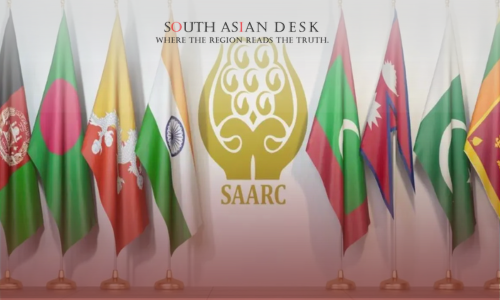
For nearly a decade, the South Asian Association for Regional Cooperation (SAARC) has remained inactive, largely due to India’s persistent reluctance to engage with Pakistan. The organization’s functionality stalled after New Delhi opted to boycott the 2016 Islamabad summit, with several other member states following suit. This decision has left SAARC, once envisioned as a platform for fostering regional cooperation, in a state of limbo, hampering progress on shared challenges like trade, climate change, and security.
The absence of dialogue has deepened mistrust among member nations, particularly between India and Pakistan, whose bilateral tensions have overshadowed SAARC’s potential. Established in 1985, the organization aimed to promote economic integration and collective problem-solving among its eight members: Afghanistan, Bangladesh, Bhutan, India, Maldives, Nepal, Pakistan, and Sri Lanka. However, the lack of high-level summits since 2014 has stalled initiatives like the SAARC Free Trade Area and cross-border connectivity projects.
Recent discussions on platforms like X highlight growing frustration among South Asian citizens and analysts, who argue that SAARC’s paralysis benefits no one. Smaller member states, such as Nepal and Sri Lanka, have repeatedly called for reviving the platform to address pressing regional issues like disaster management and economic recovery post-COVID. Yet, India’s stance, driven by security concerns and unresolved disputes with Pakistan, remains a significant barrier.
The ongoing deadlock raises questions about the future of regional cooperation in South Asia. Without renewed commitment from all members, particularly India and Pakistan, SAARC risks becoming irrelevant, leaving the region fragmented in the face of shared challenges. Reviving the platform would require diplomatic flexibility and a focus on mutual economic and humanitarian interests to restore its role as a cornerstone of South Asian unity.
Published in SouthAsianDesk, July 7th, 2025
Follow SouthAsianDesk on X, Instagram and Facebook for insights on business and current affairs from across South Asia.