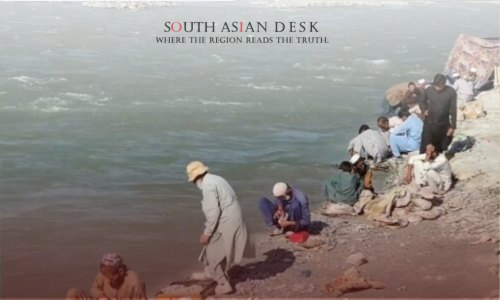
The Swat River, once a lifeline for communities in Pakistan’s Khyber Pakhtunkhwa province, has become a deadly force due to unregulated sand and gravel mining. This billion-rupee industry has reshaped the river’s natural flow, creating deep pits and unstable banks that have claimed lives and livelihoods.
Mining operations, often operating without oversight, have excavated vast amounts of sediment, altering the river’s course and depth. These changes have led to sudden floods and unpredictable currents, turning the serene waterway into a hazard. Local residents report losing farmland, homes, and even loved ones to the river’s altered behavior. For instance, heavy machinery has left behind treacherous ditches, some as deep as 20 feet, which fill with water and pose drowning risks, especially during monsoon seasons.
Environmentalists warn that the ecological damage extends beyond immediate dangers. The removal of riverbed materials disrupts aquatic ecosystems, threatening fish populations and water quality. Nearby communities, dependent on the river for irrigation and drinking water, face declining resources. Posts on X highlight public concern, with many calling for stricter regulations to curb illegal mining practices.
Government efforts to address the issue have been inconsistent. While some local authorities have attempted to enforce permits and limit extraction, loopholes and lack of monitoring allow operations to continue unchecked. Experts suggest that sustainable mining practices, coupled with regular environmental assessments, could mitigate the damage. Restoring the river’s natural flow would require coordinated efforts, including refilling excavated pits and stabilizing banks.
The Swat River’s transformation underscores the need for balanced development. Without prompt action, the region risks further loss of life, land, and ecological stability. Community voices on X emphasize urgency, demanding accountability from both miners and regulators to protect this vital resource.
Published in SouthAsianDesk, July 8th, 2025
Follow SouthAsianDesk on X, Instagram and Facebook for insights on business and current affairs from across South Asia.