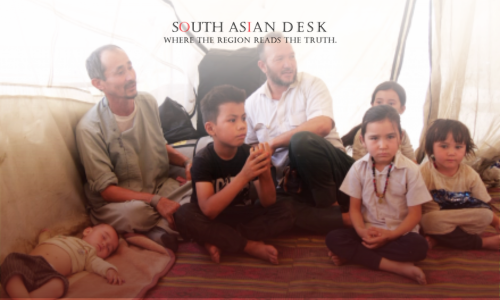
In July 2025, thousands of Afghan deportees forcibly returned from Iran are facing extreme food shortages in temporary camps in Kabul, highlighting the worsening humanitarian crisis in Afghanistan. Many returnees—most of whom arrived with little to no belongings—say they have not received adequate food, shelter, or basic necessities since their arrival. Posts on X (formerly Twitter) and local Afghan outlets reflect growing desperation as families go days without proper meals, and children suffer from malnutrition in the sweltering heat.
One returnee, Mir Ahmad, told Afghan media: “My children only ate at night. There is no food left.” Another, Shah Mahmood, said no food had yet been distributed at their camp and doubted whether help would arrive.
This crisis is part of a broader wave of deportations. According to the UN’s International Organization for Migration (IOM), over 144,000 Afghans were expelled from Pakistan and Iran in April 2025 alone—adding to more than 1.1 million forcibly returned since late 2023 under policies like Pakistan’s Illegal Foreigners Repatriation Plan and Iran’s tightening border enforcement.
The World Food Programme (WFP) estimates that nearly 10 million Afghans are experiencing acute hunger this summer. However, only about 1 million are currently receiving assistance due to a $650 million funding shortfall. The organization had to suspend several programs, including specialized food distributions, in May 2025. Malnutrition levels are surging: 3.5 million children under five and 1.2 million pregnant or breastfeeding women require emergency nutrition care.
These returnees—especially women-led households—face additional hurdles due to Taliban-imposed restrictions that limit women’s mobility, employment, and access to aid. Many families report turning to child labor or informal begging to survive. Overcrowded returnee camps in Kabul, Herat, and Kandahar are also struggling with water shortages, unsafe shelter, and lack of sanitation.
Deputy Minister of Economy Abdul Latif Nazari said the Taliban government is in touch with international donors and domestic investors to support migrants. However, on-ground reports suggest assistance has been sporadic and limited at best.
The ongoing food crisis, compounded by drought and economic collapse, continues to push millions to the brink in Afghanistan. With humanitarian funding drying up and returnees arriving daily, aid groups warn that the situation could become catastrophic unless urgent action is taken.
Published in SouthAsianDesk, July 11th, 2025
Follow SouthAsianDesk on X, Instagram and Facebook for insights on business and current affairs from across South Asia.