

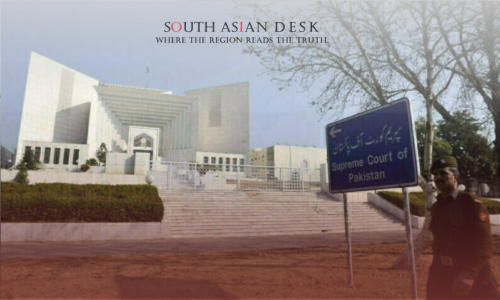
On July 14, 2025, Pakistan’s Supreme Court ruled that tax authorities must prioritize facilitating compliance over acting as punitive entities, emphasizing the need for clarity, transparency, and procedural fairness in tax administration. The court’s remarks came during a case involving Pakistan LNG Limited, where an amended income tax return for 2020 led to a Rs2.9 billion tax demand under Section 122(5A) of the Income Tax Ordinance 2001.
The bench, led by Justice Ayesha Malik, criticized the Federal Board of Revenue (FBR) for its handling of the case, noting that tax recovery processes should not resemble a “grab and go” approach. The court highlighted that the FBR’s actions lacked statutory adherence, urging tax officials to act as state institutions focused on enabling taxpayers through clear guidelines rather than “penalising agencies”. The judgment aligns with broader calls for reforming Pakistan’s tax system, which has a low tax-to-GDP ratio of around 10%, one of the lowest in the region.
The ruling has sparked discussions among business leaders, particularly in light of recent protests against stringent tax measures like Section 37A of the Sales Tax Act, which grants FBR officials broad powers to arrest and penalize on suspicion of fraud. The Supreme Court’s directive is seen as a step toward balancing revenue collection with taxpayer rights, encouraging a more transparent and supportive tax framework. A final report on the case is expected to guide future FBR practices, with recommendations for procedural improvements.
Published in SouthAsianDesk, July 15th, 2025
Follow SouthAsianDesk on X, Instagram and Facebook for insights on business and current affairs from across South Asia.
