In Geneva, Pakistan has emerged as a vocal advocate for equitable access to green finance, highlighting the pressing needs of developing nations grappling with climate change and pollution. Federal Climate Change and Environmental Coordination Minister Dr Musadik Malik led the charge during a key international gathering, stressing that countries like Pakistan bear the brunt of environmental crises without adequate support.
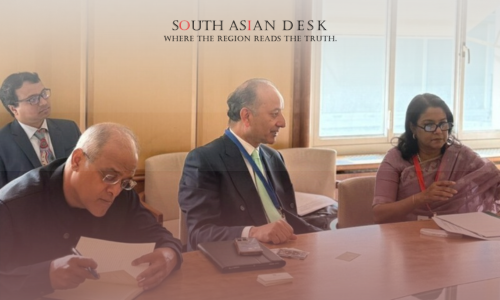
The minister chaired a regional dialogue involving representatives from Bangladesh, Egypt, Tajikistan, Malaysia, and Sudan. This interactive session focused on building a united front to ensure that green finance reaches those most affected by plastic pollution and broader climate impacts. Dr Malik pointed out the stark disparities, noting that nations with high plastic consumption often secure the lion’s share of funding, leaving others to shoulder severe socio-economic burdens.
Challenges in Negotiating a Global Plastics Treaty
The discussions unfolded on the sidelines of the fifth session of the Intergovernmental Negotiating Committee on Plastic Pollution, a summit attended by delegates from 185 countries. Aimed at forging a landmark treaty to curb plastic pollution, the event has been likened to the 2015 Paris climate accord in its potential significance. However, deep divisions emerged between groups pushing for curbs on plastic production and oil-producing states emphasising waste management.
Pakistan proposed an innovative solution: a global plastic fund to facilitate the buying and selling of plastic credits. This idea garnered support from several participants, with Dr Malik suggesting it could compel inclusion in future agendas under the United Nations Environment Programme. Despite extended talks that stretched into the night, the summit ended without consensus, underscoring the ongoing struggles for agreement in global environmental efforts.
Importance of Green Finance for Developing Countries
Developing nations, including Pakistan, face mounting challenges from climate change, such as floods and resource scarcity, which exacerbate poverty and hinder progress. Dr Malik emphasised the need for the treaty to prioritise support for these countries, enabling them to access essential resources and technology. He called for a fair framework that addresses both environmental and economic injustices, ensuring that global goals do not overlook the most vulnerable.
This stance resonates deeply with communities in South Asia and beyond, where families endure the daily realities of pollution and changing weather patterns. By advocating for equitable access to green finance, Pakistan seeks to foster hope and resilience, allowing nations to build sustainable futures for their people.
Strengthening Regional Alliances
The regional briefing led by Pakistan highlights a growing momentum among developing countries to amplify their voices in international forums. As negotiations continue, the focus remains on bridging gaps to create mechanisms that promote fairness. Dr Malik’s leadership in this dialogue signals a commitment to collaborative action, aiming to secure better outcomes in the fight against climate threats.
Equitable access to green finance remains vital for empowering developing nations like Pakistan to tackle these issues effectively.
Published in SouthAsianDesk, August 15th, 2025
Follow SouthAsianDesk on X, Instagram, and Facebook for insights on business and current affairs from across South Asia.