Flash floods triggered by relentless monsoon rains have left a trail of destruction across Khyber Pakhtunkhwa (KP), claiming at least 43 lives and injuring 14 others in the past 24 hours, according to the Provincial Disaster Management Authority (PDMA). The deluge has swept through multiple districts, submerging homes, disrupting lives, and prompting urgent rescue operations. The tragedy, unfolding amidst the region’s worst monsoon spell in recent years, underscores the growing vulnerability of Pakistan’s northern areas to climate-driven disasters.
A Devastating Toll Across KP as Flash Floods Strike
The PDMA’s latest report paints a grim picture of the havoc wrought by flash floods in KP. Among the 43 fatalities are 33 men, two women, and eight children, with the injured including 11 men, two women, and one child. The most affected districts include Bajaur, Battagram, Swat, Buner, Torghar, Mansehra, and Shangla. In Bajaur, the Salarzai area reported 16 deaths, while Battagram saw similar devastation with 10 lives lost. The floods have also damaged 30 homes, with 25 partially destroyed and five reduced to rubble, leaving families homeless and grieving.
Rescue Efforts Amid Flash Floods
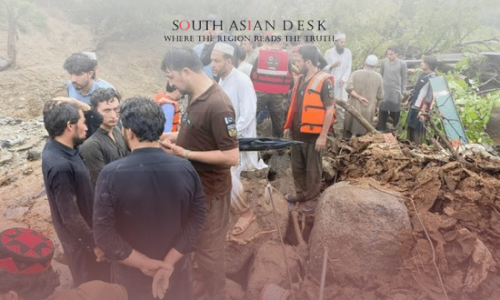
Rescue operations are in full swing as teams from Rescue 112 works alongside local authorities and volunteers to aid those trapped by the floods. In Bajaur, rescue personnel have recovered 16 bodies and saved three injured individuals from the debris in Jabrarai village, where a cloudburst triggered catastrophic flooding. In Battagram, teams are scouring the Neel Band area, where five homes were obliterated by lightning and floods. Despite their efforts, intermittent rains and disrupted mobile networks are hampering operations, leaving several people unaccounted for.
Communities Submerged, Lives Disrupted
The impact of the flash floods extends beyond the loss of life. In Swat’s Mingora, Malam Jabba, and Khwazakhela, low-lying areas are submerged, with hundreds of homes inundated and roads cut off. Residents, including women and children, have been forced onto rooftops, awaiting rescue, while others have fled to safer ground. In Mansehra, lightning strikes and cloudbursts have compounded the crisis, claiming lives and destroying property. The PDMA warns that the rains may persist until 21 August, raising fears of further devastation in already vulnerable communities.
A Call for Urgent Action
The PDMA has urged residents along riverbanks to take precautionary measures and remain vigilant. Emergency operations centres are active, with helplines available for reporting incidents. District administrations have been directed to monitor vulnerable areas and conduct evacuation drills. The scale of the disaster has prompted calls for immediate government intervention to provide shelter, food, and medical aid to those affected. Survivors, grappling with the loss of loved ones and homes, are pleading for swift relief to rebuild their shattered lives, restore basic infrastructure, and prevent further tragedies as unpredictable weather patterns continue to threaten the region.
A Region Under Siege by Climate
The relentless monsoon rains are part of a broader pattern of climate-driven disasters battering Pakistan’s northern regions. Since late June, over 300 lives have been lost nationwide due to floods and landslides, with KP bearing a significant brunt. The PDMA’s warnings of potential glacial lake outburst floods (GLOFs) in areas like Chitral and Swat highlight the growing threat of climate change. As the rains continue, the resilience of communities in KP is being tested, with the need for robust disaster preparedness and response more urgent than ever.
The tragedy of these flash floods serves as a stark reminder of the human cost of extreme weather. As Khyber Pakhtunkhwa mourns its losses, the focus must shift to supporting the affected and strengthening defences against future calamities.
Published in SouthAsianDesk, August 15th, 2025
Follow SouthAsianDesk on X, Instagram, and Facebook for insights on business and current affairs from across South Asia.