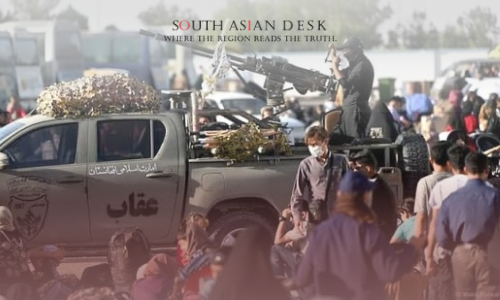
As the Taliban mark 4th year in power, Afghanistan’s capital, Kabul, witnessed sombre celebrations on 15 August 2025, commemorating their takeover in 2021. The milestone was overshadowed by Russia’s unprecedented move to officially recognise the Taliban’s government, a first by any nation, stirring hope among the regime for broader global acceptance. Yet, the joy of recognition is marred by the harsh realities of their rule, with severe restrictions on women and girls drawing international condemnation and sparking protests at home and abroad. The Taliban’s grip on Afghanistan remains firm, but their path forward is fraught with challenges and global scrutiny.
Taliban Mark 4th Year in Power with Subdued Festivities
The Taliban mark 4th year in power with planned parades across cities, including Kabul, where helicopters were set to scatter flowers and the white-and-black flags of the “Islamic Emirate of Afghanistan” adorned streets. On the eve of the anniversary, Taliban supporters gathered near the shuttered US embassy, a symbolic site of their former adversary, waving flags and lighting fireworks. Unlike last year’s grand military parade at Bagram airbase, this year’s events were scaled back, with no official explanation provided, reflecting a cautious approach amid global scrutiny.
Russia’s Recognition: A Diplomatic Breakthrough
In a historic shift, Russia became the first country to formally recognise the Taliban’s government in early July 2025, following the removal of the group from Moscow’s list of banned organisations. The Russian Foreign Ministry accepted credentials from Afghanistan’s new ambassador, marking a significant step towards diplomatic normalisation. The Taliban hailed this as a “brave decision,” expressing hope that other nations would follow suit. Close ties with Central Asian states, China, and the United Arab Emirates, though lacking formal recognition, further bolster Kabul’s regional standing.
Global Isolation Persists Amid Human Rights Concerns
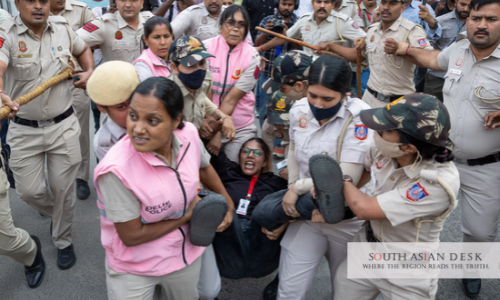
Despite Russia’s endorsement, the Taliban remain largely isolated on the world stage, primarily due to their draconian policies targeting women and girls. The International Criminal Court issued arrest warrants in July 2025 for two senior Taliban leaders, accusing them of crimes against humanity for enforcing bans on women’s education, employment, and access to public spaces like parks and gyms. These restrictions have drawn sharp criticism, with UN experts urging the international community to reject the Taliban’s “authoritarian rule” and uphold human rights.
Economic and Humanitarian Challenges Loom Large
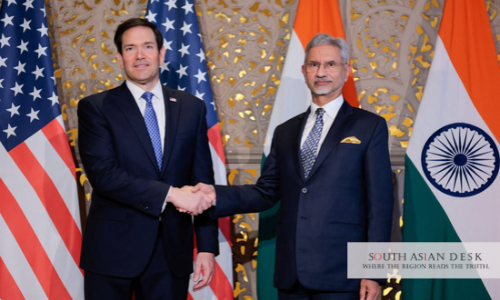
The Taliban face minimal internal opposition, but their governance is strained by economic fragility and a severe humanitarian crisis. The influx of four million Afghans expelled from neighbouring countries has exacerbated pressures on an already struggling economy, worsened by cuts in international aid. While Kabul has engaged in talks with Western nations, including Norway, Britain, and the United States, the lack of formal recognition limits their ability to secure vital support. The regime’s survival hinges on navigating these economic and diplomatic hurdles.
A Nation at a Crossroad
For the first time since their return to power in August 2021, the Taliban have received formal recognition from a major world power—Russia. Moscow’s announcement, made just days before the anniversary, is seen by some as a significant step toward legitimising the regime. It also raises questions over whether other nations, particularly in the region, will follow suit or maintain a cautious distance. As the Taliban mark fourth year in power, Afghanistan stands at a pivotal moment in its modern history. The anniversary comes with both symbolic celebrations and a renewed sense of uncertainty for a country that has endured decades of conflict, economic instability, humanitarian crises, and profound social change.
Published in SouthAsianDesk, August 15h, 2025
Follow SouthAsianDesk on X, Instagram, and Facebook for insights on business and current affairs from across South Asia.