India’s purchase of Russian crude oil has sparked a storm of controversy, with US trade adviser Peter Navarro demanding an end to these imports, citing their role in fuelling conflict far from South Asia’s shores. The decision has stirred anxiety among Indian exporters and families reliant on trade, as hefty new tariffs threaten livelihoods and deepen diplomatic strains. This clash, unfolding in August 2025, underscores the delicate balance India must navigate in a world of competing global powers.
US Tariffs Hit Indian Economy Amid Russian Crude Oil Dispute
The United States has imposed a punishing 50% tariff on Indian goods, a move that has sent shockwaves through India’s economy. The additional 25% duty, enacted earlier this month, targets New Delhi’s continued trade in Russian crude oil. US President Donald Trump, citing national security concerns, has linked these imports to funding Russia’s ongoing war in Ukraine. The tariffs, which took effect in two phases, with the second set to begin on 27 August, have already disrupted trade talks and left Indian businesses bracing for impact.
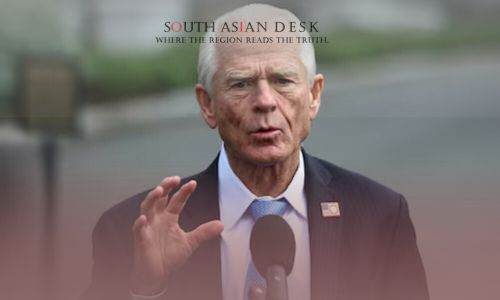
Peter Navarro, a senior White House trade adviser, has been vocal in his criticism, accusing India of acting as a “global clearinghouse” for Russian oil. He argues that by refining embargoed crude into high-value exports, India indirectly channels funds to Moscow, undermining global efforts to isolate Russia. This stance has struck a nerve in India, where the Foreign Ministry has expressed frustration, noting that Western nations, including the US and European Union, continue to purchase Russian goods while singling out India for scrutiny.
The emotional toll of these tariffs is profound, particularly for Indian exporters and small businesses already grappling with global economic pressures. Families dependent on industries like textiles, pharmaceuticals, and agriculture fear reduced competitiveness in the US market, where higher costs could erode their margins. The cancellation of a planned US trade delegation visit to New Delhi, originally scheduled for 25–29 August, has further dashed hopes of negotiating relief from the tariffs, leaving communities uncertain about their economic future.
India’s reliance on Russian crude oil, which surged after the 2022 invasion of Ukraine, stems from economic necessity. Historically dependent on Middle Eastern suppliers, India turned to discounted Russian oil following the Group of Seven’s $60-per-barrel price cap aimed at curbing Moscow’s revenues. This shift has made India the second-largest buyer of Russian crude after China, a position that now places it at odds with its strategic partner, the United States. The tension is palpable, as India seeks to balance affordable energy needs with its growing ties to Washington.
Navarro’s remarks also touch on broader geopolitical concerns, particularly India’s warming relations with both Russia and China. With Indian Prime Minister Narendra Modi set to meet Chinese President Xi Jinping later this month, and Chinese Foreign Minister Wang Yi visiting India for border talks, the US fears that India’s multi-aligned foreign policy could complicate strategic partnerships. Navarro has cautioned against transferring advanced US military technology to India, citing risks of it reaching rival powers. This warning has sparked unease among Indian policymakers, who view such technology as vital for national security.
The Indian government has responded with measured defiance, with Prime Minister Modi emphasising the need to protect the interests of farmers, fishermen, and livestock rearers. He has acknowledged the personal and political cost of standing firm but vowed not to compromise on national priorities. This resolve resonates with millions of Indians, who see their country unfairly targeted in a complex global landscape where energy security and economic stability are intertwined.
As trade tensions escalate, the tariffs imposed by the US signal a broader struggle over loyalty and influence in a fractured world. For Indian families, the stakes are deeply personal, as the cost of goods rises and opportunities shrink. The nation now faces a pivotal moment, weighing its economic ties with Russia against its strategic partnership with the US. The outcome of this dispute will shape not only India’s trade policies but also the lives of countless citizens caught in the crossfire of global politics, as they navigate the far-reaching consequences of tariffs.
Published in SouthAsianDesk, August 18th, 2025
Follow SouthAsianDesk on X, Instagram, and Facebook for insights on business and current affairs from across South Asia.