

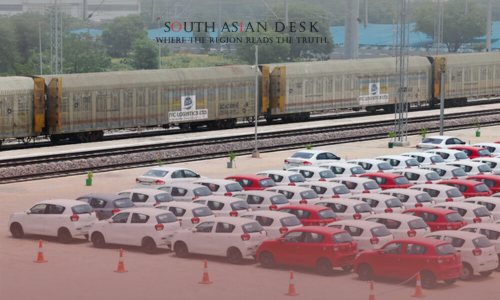
India’s proposed GST reductions on small cars and insurance premiums have ignited a wave of optimism, offering relief to families and businesses burdened by high costs. As the nation gears up for Diwali, the promise of lower taxes on everyday essentials like compact vehicles and health coverage feels like a beacon of hope, lifting spirits in homes across the country. Announced on 18 August 2025, these measures could reshape the economic landscape for millions.
GST Cuts Promise Relief for Families and Businesses
The Indian government has put forward a bold plan to slash the Goods and Services Tax (GST) on small cars from 28% to 18%, a move aimed at reviving a struggling automotive sector. Small cars, defined as petrol vehicles under 1200cc or diesel vehicles under 1500cc and not exceeding four metres in length, have seen declining sales as consumers shift to larger SUVs. This tax cut, part of the most significant GST reform since 2017, is expected to breathe new life into the market, benefiting major manufacturers like Maruti Suzuki, Hyundai Motor India, and Tata Motors.
For countless Indian families, owning a small car is more than convenience; it is a symbol of aspiration, a means to connect villages to cities and dreams to reality. The proposed reduction could lower prices by thousands of rupees, making models like the Maruti Alto, Dzire, and Wagon-R more affordable. This is particularly poignant for middle-class households, who have felt the pinch of rising costs. The automotive industry, once dominated by small cars, has seen their share drop from nearly 50% pre-COVID to just a third of the 4.3 million passenger vehicles sold last fiscal year. The GST cut aims to reverse this trend, offering a lifeline to manufacturers and buyers alike.
Equally significant is the proposal to reduce GST on health and life insurance premiums from 18% to 5%, or possibly zero. This change could make insurance more accessible, easing the financial strain on families who struggle to afford coverage. For many, especially in rural areas, health insurance is a safeguard against unexpected medical costs that can plunge households into debt. Lower premiums could mean more families can protect their loved ones, fostering a sense of security in uncertain times. The emotional weight of this reform resonates deeply, as it touches on the universal desire to care for family and future.
The government’s broader vision includes simplifying the GST structure, moving from the current four-tier system (5%, 12%, 18%, and 28%) to a streamlined two-tier model of 5% and 18%. This overhaul, expected to be finalised by the GST Council in October, aims to reduce complexity and boost consumption. For larger vehicles, a new 40% tax slab is under consideration, potentially replacing the current 28% GST plus up to 22% cess, though officials are working to ensure the overall tax burden remains similar, at 43–50%.
The timing of these reforms, coinciding with Diwali, India’s biggest shopping season, adds a festive layer of anticipation. Families planning to buy cars or secure insurance policies may find their budgets stretched further, bringing smiles to households preparing for the festival of lights. The stock market has already reacted, with shares of automakers like Maruti Suzuki, Mahindra & Mahindra, and Hero MotoCorp rising 2–8%, and insurance firms like ICICI Prudential and SBI Life gaining 2–4%, reflecting investor confidence in the reforms.
Yet, the road to implementation is not without challenges. The GST Council, chaired by the Union Finance Minister and including state representatives, must approve these changes. Businesses and consumers alike are eagerly awaiting clarity, as the reforms promise not only economic relief but also a renewed sense of hope. For small entrepreneurs, farmers, and urban workers, these tax cuts could mean more money in their pockets, a chance to invest in their dreams, and a brighter future for their children.
As India stands on the cusp of this historic GST reform, the proposed cuts on small cars and insurance premiums signal a commitment to easing the burdens of ordinary citizens. The promise of a more affordable, secure future is a powerful one, resonating with millions who see these changes as a step toward prosperity in the face of economic challenges. With Diwali approaching, the nation holds its breath, hoping these GST reductions will light the way to a stronger, more inclusive economy.
Published in SouthAsianDesk, August 18th, 2025
Follow SouthAsianDesk on X, Instagram , and Facebook for insights on business and current affairs from across South Asia.
