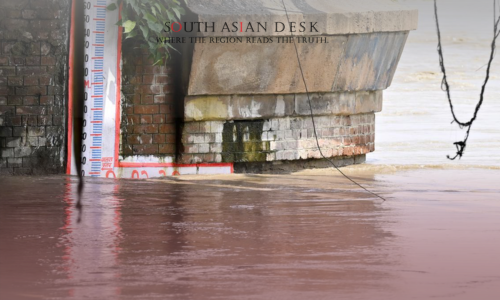
The Yamuna flood threat has put Delhi on high alert as the river’s water level surged to 205.79 metres at the Old Railway Bridge on 19 August 2025, inching perilously close to the 206-metre evacuation mark. Heavy rainfall in the upper Yamuna region and substantial water releases from Haryana’s Hathnikund and Wazirabad barrages have intensified concerns, prompting authorities to prepare for potential floods across the capital.
Yamuna Flood Risk Escalates in Delhi
The rising Yamuna water level has sparked fears of floods in Delhi, with the river breaching the danger mark of 205.33 metres on 18 August 2025. By Tuesday morning, the level reached 205.79 metres, just shy of the threshold that triggers evacuation protocols. The Central Water Commission (CWC) has forecasted that the river may cross the 206-metre mark by early Tuesday, raising alarms for low-lying areas vulnerable to inundation. This situation echoes the devastating 2023 floods, when the Yamuna reached a record high of 208.66 metres, displacing over 25,000 residents and submerging key areas of the city.
The surge is primarily attributed to heavy rainfall in the Himalayan region and the release of over 1.78 lakh cusecs of water from the Hathnikund barrage, the highest this monsoon season. The Irrigation and Flood Control Department has intensified monitoring, with officials stationed at key points along the river to track water flow and assess flood risks. Delhi’s residents, particularly those in flood-prone areas like Karawal Nagar, Gandhi Nagar, Kotwali, Civil Lines, and Defence Colony, are on edge as the threat of floods looms large.
Monsoon Challenges Across South Asia
Authorities Mobilise to Mitigate Floods
In response to the rising Yamuna flood risk, Delhi Chief Minister Rekha Gupta, accompanied by Water Minister Parvesh Sahib Singh, visited low-lying areas along the river, including Asita Ghat and Yamuna Chhath Ghat, to review preparedness measures. Gupta assured residents that the government is taking proactive steps to prevent a repeat of the 2023 floods. “We have deployed 14 boats at strategic locations for relief and rescue operations, and all barrage gates are fully operational following six months of maintenance,” she stated. The desilting of drains and improved barrage management are expected to mitigate the impact of potential floods.
The Delhi government has initiated announcements in vulnerable areas, urging residents to prepare for possible evacuation. Approximately 12,500 people across six of Delhi’s 11 districts are at risk if the river crosses the evacuation mark. The CWC has identified villages such as Burari, Pur Shahdara, Badarpur, and Sabhapur as particularly susceptible to flooding. The administration has set up a flood control room at the East District Magistrate’s office to coordinate response efforts, with agencies like the Municipal Corporation of Delhi and Delhi Jal Board on high alert.
Lessons from Past Floods Shape Response
Delhi’s history with Yamuna floods, notably the catastrophic 1978 flood when the river reached 207.49 metres, underscores the urgency of robust flood management. The 2023 floods exposed significant infrastructural shortcomings, with blocked barrage gates and inadequate drainage systems exacerbating the crisis. This year, authorities claim to have addressed these issues, with Gupta noting that “continuous work on desilting drains and maintaining barrages has enhanced our capacity to manage floods.” However, concerns persist about the city’s ability to handle extreme weather events, especially given the increasing intensity of monsoon rains in recent years.
Posts on X reflect public anxiety about the rising Yamuna water level, with some users criticising the government’s preparedness and attributing the situation to mismanagement by the Haryana government, which controls the Hathnikund barrage. While these sentiments highlight public frustration, official reports confirm that all 18 gates of the Hathnikund barrage were opened to manage the heavy inflow, a necessary measure that has inadvertently heightened the flood risk in Delhi.
A City on Edge as Flood Threat Persists
As the Yamuna flood threat continues, the India Meteorological Department (IMD) has forecasted cloudy skies with light rain or drizzle in Delhi, potentially exacerbating the situation. The city, which has already recorded 259.7 mm of rainfall this August, faces the prospect of further waterlogging and traffic disruptions. Residents are urged to stay vigilant, avoid flooded roads, and cooperate with evacuation efforts if necessary.
The Delhi government’s proactive measures offer hope, but the memory of past floods lingers, fuelling anxiety among residents. With the Yamuna’s water level teetering on the edge of the evacuation mark, the coming days will test the city’s resilience and preparedness. Authorities and citizens alike are bracing for the possibility of floods, hoping to avoid the widespread disruption seen in previous years. The focus remains on safeguarding lives and infrastructure as Delhi confronts the looming Yamuna flood.
Published in SouthAsianDesk, August 19th, 2025
Follow SouthAsianDesk on X, Instagram , and Facebook for insights on business and current affairs from across South Asia.