Bangladesh’s Election Commission proposes a ‘No Vote’ option and candidate limits to enhance electoral integrity in the upcoming polls. The Bangladesh Election Commission, on Sunday, August 24, 2025, in Dhaka, unveiled draft amendments to introduce a ‘No Vote’ option and limit candidates to two constituencies for the national election expected in February 2026, aiming to prevent uncontested wins and enhance voter choice.
Why This Matters in South Asia
The proposed reforms are significant for Bangladesh and South Asia, where democratic processes are often scrutinised. By introducing a ‘No Vote’ option and candidate caps, Bangladesh aims to strengthen electoral credibility, potentially setting a precedent for regional democracies grappling with voter apathy and political monopolies.
‘No Vote’ Option in Bangladesh Elections
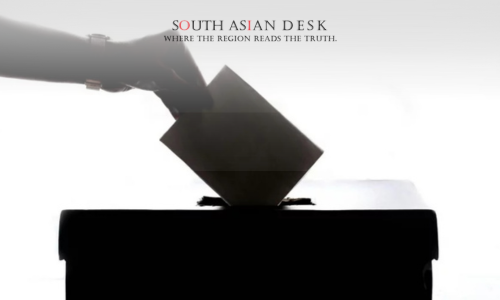
The Election Commission’s draft Representation of the People Order (Amendment) Ordinance, 2025, reintroduces the ‘No Vote’ option, allowing voters to reject all candidates in a constituency. If ‘No Vote’ secures more ballots than the sole candidate, a fresh election will be scheduled. This measure, previously implemented in 2008 but removed before 2014, aims to ensure no candidate wins unopposed, addressing concerns about electoral legitimacy. Chief Election Commissioner AMM Nasir Uddin stated on X that preparations are underway to implement this for the upcoming polls.
Candidate Constituency Limits
The draft law restricts candidates to contesting no more than two constituencies, down from three. If a candidate files nominations in more than two, all their papers will be voided. This change seeks to reduce electoral manipulation and ensure fair competition, responding to past criticisms of candidates dominating multiple constituencies. The commission can also declare a candidacy illegal within five years if discrepancies are found in affidavits or financial disclosures, potentially triggering a new poll.
Enhanced Role of Armed Forces
The amendments designate the Bangladesh Army, Navy, and Air Force as law enforcement agencies during elections, alongside existing forces like the Police and Border Guard Bangladesh. Previously excluded by the Awami League government post-2008, the armed forces will now assist in maintaining order, reversing their limited role as striking forces in the 2014, 2018, and 2024 elections. This move aims to bolster security amid concerns over electoral violence.
Public and Political Response after ‘No Vote’ Idea
A BRAC Institute of Governance and Development survey conducted from July 1–20, 2025, revealed that 48.5% of voters remain undecided, up from 38% in October 2024, reflecting uncertainty about the electoral process. The Bangladesh Nationalist Party (BNP) clarified on August 17, 2025, via X, that the ‘No Vote’ reintroduction was not at their behest, indicating mixed political support. The survey also noted 51% of respondents prioritise comprehensive reforms before the election, with 19% specifically calling for electoral system improvements.
Background
Bangladesh’s electoral history has been turbulent, with only four of 11 general elections since 1971 deemed free and fair. The 2024 election, boycotted by the BNP, saw a 40% turnout and was marred by allegations of rigging. The ouster of Sheikh Hasina in August 2024 and the interim government under Chief Adviser Muhammad Yunus have spurred reform efforts. The ‘No Vote’ option, briefly used in 2008 with minimal impact (0.55% nationally), aims to restore voter agency, while candidate caps address concerns over political dominance.
What’s Next
As Bangladesh prepares for its February 2026 election, the Election Commission’s reforms, including the ‘No Vote’ option and candidate caps, will be critical in shaping public trust severely. The interim government must finalise these amendments and address calls for broader reforms to ensure a credible and inclusive electoral process in Bangladesh.
Published in SouthAsianDesk, August 24th, 2025
Follow SouthAsianDesk on X, Instagram , and Facebook for insights on business and current affairs from across South Asia.