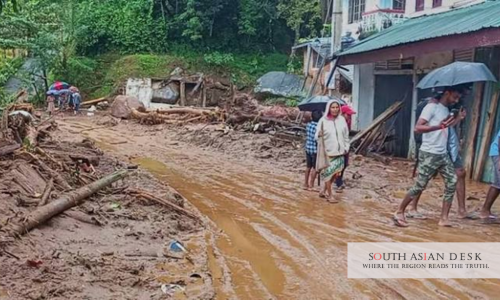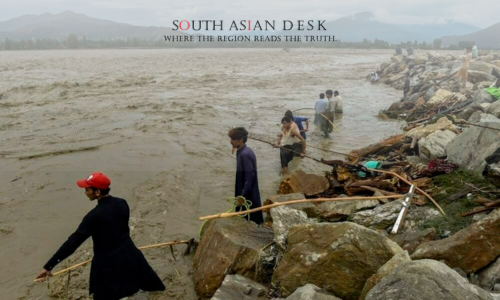
Heavy monsoon rains and flash floods in Khyber Pakhtunkhwa kill 13, injure 52, and devastate infrastructure. Flash floods and monsoon rains killed at least 13 people and injured 52 in Khyber Pakhtunkhwa (KP), Pakistan, over the weekend of August 23-24, 2025, as torrential downpours triggered widespread destruction, according to the Provincial Disaster Management Authority (PDMA).
Why It Matters for South Asia
Flash floods and monsoon rains pose a recurring threat in South Asia, where climate-driven extreme weather disrupts lives and economies. KP’s escalating death toll underscores the region’s vulnerability, urging coordinated disaster preparedness and climate resilience strategies across Pakistan, India, and Bangladesh.
Devastation Across Khyber Pakhtunkhwa
The Provincial Disaster Management Authority reported on Monday, August 25, 2025, that heavy monsoon rains caused flash floods across multiple KP districts, resulting in 409 deaths and 251 injuries since August 15, 2025. The latest incidents over the weekend claimed 13 lives, including eight in Dera Ismail Khan, three children in Lower Dir, and one each in Mardan and Upper Kohistan. Penal Code Section 183 (causing death by dangerous driving) was cited in the deaths, with a severe rainstorm causing power outages and infrastructure damage.
According to the PDMA, the victims included 305 men, 55 women, and 49 children, with 183 men, 38 women, and 30 children among the injured. The agency noted that 578 houses were destroyed and 2,954 were partially damaged, exacerbating the humanitarian crisis. Rescue 1122 evacuated 30 people in Narowal after a sudden flood surge in Nala Auj, deploying dozens of boats and over 100 personnel across affected areas.
Flash Floods and Monsoon: Regional Impact and Response
Beyond KP, flash floods and monsoon rains impacted Punjab, displacing over 1,450 people and 450 livestock along the Sutlej River in Sahiwal and adjacent districts. Water discharge levels at Herikey and Ganda Singh Wala exceeded 126,000 cusecs, submerging 40 kilometres of the river belt and destroying crops across thousands of acres. Former Punjab Chief Minister Manzoor Ahmad Khan Wattoo urged the government to declare affected districts as calamity-hit areas, criticising India’s release of floodwaters as “water terrorism.”
The Punjab government remains on high alert, with the Flood Forecasting Division warning of high flood levels in the Chenab and Indus rivers within 24 hours from August 24, 2025. Rescue operations have evacuated over 21,000 people, with significant inflows at Marala, Khanki, and Qadirabad raising concerns for the next 48 hours.
Ongoing Relief Efforts
In KP, the PDMA reported that rescue operations involve 6,000 personnel, with Rs3 billion (PKR 3 billion) allocated for relief. Adviser to the Chief Minister, Barrister Muhammad Ali Saif, stated on August 19, 2025, that 5,210 people were safely evacuated, and 176 rescue centres were established. The Pakistan Army, contributing one day’s salary and 585 tonnes of rations, deployed nine units, including infantry and medical teams, to assist in KP and Gilgit-Baltistan, where floods claimed 39 lives since July 2025.
Background
Pakistan’s monsoon season, intensified by climate change, has caused recurring flash floods, with 2025 marking a continuation of devastating floods in 2010 and 2022. KP’s death toll reached 385 by August 21, 2025, with Buner reporting 228 fatalities. The National Disaster Management Authority (NDMA) reported 788 lives lost nationwide over two months, with KP’s infrastructure, including 41 power feeders in Swat, severely damaged. UNICEF has dispatched essential medicines to KP and Gilgit-Baltistan, highlighting the crisis’s impact on children and families.
What’s Next
With more monsoon rains forecast until August 31, 2025, the NDMA has urged restrictions on public movement in high-risk areas to support rescue efforts. Enhanced coordination and climate-resilient infrastructure are critical to mitigate future flash floods and monsoon-related disasters in KP and beyond.
Published in SouthAsianDesk, August 25th, 2025
Follow SouthAsianDesk on X, Instagram, and Facebook for insights on business and current affairs from across South Asia.