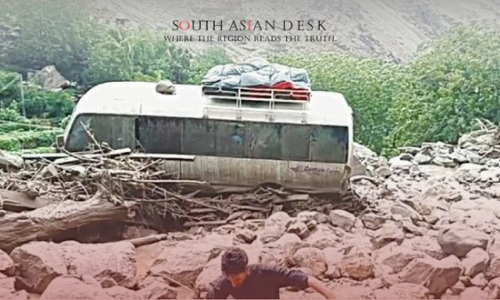
Diamer disaster triggered by heavy rains in Gilgit-Baltistan’s Diamer district have destroyed homes, crops, and infrastructure, displacing residents.
On Friday, September 4, 2025, at 6:00 AM, flash floods struck Deral Valley in Gilgit-Baltistan’s Diamer district, damaging at least 20 houses, destroying crops, and uprooting trees, according to local authorities. The disaster, caused by heavy monsoon rains, has disrupted the region’s infrastructure and displaced dozens of residents.
The GB Diamer disaster underscores Pakistan’s vulnerability to climate-driven floods, particularly in northern regions, highlighting the urgent need for robust disaster preparedness and infrastructure resilience in South Asia’s mountainous areas.
Extent of the GB Diamer Disaster
The floods, which hit the Gamari area of Deral Valley, caused significant destruction. Waseem Abbas, the assistant commissioner of Deral, reported that 20 houses were severely affected, with five completely demolished. Agricultural losses were substantial, with crops destroyed and trees uprooted, impacting local livelihoods. Cattle sheds and livestock also suffered damage, exacerbating the economic toll on the community. The water channel system, critical for irrigation, was severely disrupted, further threatening food security in the area.
Local residents reported fleeing their homes as floodwaters surged, with dozens relocating to safer areas. Timely warnings from villagers played a crucial role in preventing loss of life, according to GB government spokesperson Faizullah Faraq. Timely information was received from the villagers, which saved dozens of lives.
Response and Relief Efforts
The Gilgit-Baltistan government has mobilised relief efforts to address the crisis. Chief Minister Haji Gulbar Khan directed the Deral administration to initiate emergency relief and rehabilitation work. Rescue and disaster management teams have been deployed to the affected areas to assess damage and provide aid. Faraq confirmed that relief teams are actively working to support displaced residents, though the scale of the damage poses significant challenges.
The National Disaster Management Authority (NDMA) has issued advisories urging citizens to avoid drains and seek safe shelter during heavy rainfall. On Sunday, August 30, 2025, the Pakistan Meteorological Department (PMD) issued a high-priority alert for potential Glacial Lake Outburst Floods (GLOFs) in northern regions, including Gilgit-Baltistan, warning of further risks due to ongoing monsoon activity.
Broader Context of Flooding in Gilgit-Baltistan
The GB Diamer disaster is part of a broader wave of monsoon-related destruction across Pakistan’s northern regions since late July 2025. Heavy rains have triggered landslides, flash floods, and infrastructure damage, particularly in vulnerable areas like Diamer, Ghizer, and Astore districts. Last month, reports indicated that hundreds in Gilgit-Baltistan contracted water-borne diseases due to contaminated drinking water following similar floods, underscoring the region’s ongoing public health challenges.
The PMD has attributed the intensified monsoon rains to climate change, which has exacerbated glacial melting and increased the frequency of extreme weather events. Pakistan, despite contributing less than 1% of global greenhouse gas emissions, faces disproportionate impacts from climate-induced disasters, as seen in the devastating 2022 floods that killed over 1,700 people and caused damages exceeding USD 30 billion.
Challenges and Criticism
The GB Diamer disaster has exposed gaps in infrastructure and disaster preparedness. Poor drainage systems and inadequate early warning mechanisms have amplified the impact of floods in the region. Local activists have criticised the government’s response, arguing that more robust measures, such as those proposed in the GLOF II project initiated in 2017, could have mitigated the damage. The project aimed to install early warning systems and improve community preparedness but, according to UNDP updates, implementation has been limited in Diamer district, with most progress concentrated in Ghizer and Hunza.
Looking Ahead
As relief efforts continue, the GB Diamer disaster highlights the urgent need for long-term solutions to address climate vulnerabilities in Pakistan’s northern regions. Authorities are expected to conduct detailed damage assessments to facilitate compensation and reconstruction, while the PMD’s ongoing alerts suggest that further flooding risks remain. Strengthening early warning systems and investing in resilient infrastructure will be critical to mitigating future disasters in Diamer and beyond.
Published in SouthAsianDesk, September 4th, 2025
Follow SouthAsianDesk on X, Instagram, and Facebook for insights on business and current affairs from across South Asia.