Young activists in Nepal, fresh from orchestrating protests that led to the Nepal Government toppled within 2 days, are now deeply involved in selecting the country’s interim leadership.
In a remarkable turn of events, young activists picking new leaders have taken centre stage in Nepal following the toppling of the government amid widespread anti-corruption protests, with former Chief Justice Sushila Karki sworn in as interim prime minister in Kathmandu, as they push for reforms to address deep-seated graft.
This development highlights a shifting dynamic in South Asian politics, where youth-led movements are challenging entrenched corruption, potentially inspiring similar activism across the region while underscoring Nepal’s fragile democratic institutions.
The Protests That Toppled the Nepal Government
The Nepal government was toppled after weeks of intense demonstrations organised by young activists, primarily through the non-profit organisation Hami Nepal. These protests, which began in response to perceived widespread corruption within the administration, escalated into the deadliest political crisis in decades. According to reports, at least 72 people were killed and over 2100 were injured during the unrest.
Hami Nepal, founded by Sudan Gurung, a 36-year-old former DJ who previously organised relief efforts during the 2015 earthquake and the COVID-19 pandemic, utilised digital platforms like Discord and Instagram to mobilise tens of thousands of participants. The group issued calls to action that resonated widely, even after an initial government ban on social media platforms on 4 September 2025, which was later reversed. Activists circumvented restrictions using VPNs, countering misinformation and sharing practical support such as hospital contact details.
One participant, 18-year-old student Karan Kulung Rai, joined after receiving an invitation via Discord, illustrating how the movement drew in a broad cross-section of Nepal’s youth, often referred to as a “Gen Z” uprising. The protests culminated in the resignation of Prime Minister KP Sharma Oli, paving the way for an interim administration.
Activists Picking New Leaders for Interim Cabinet
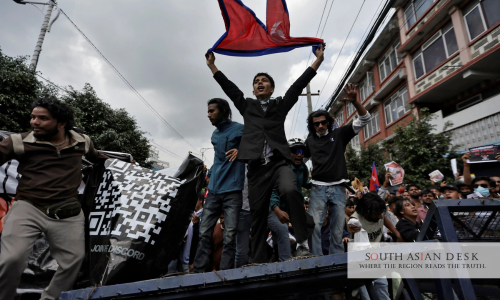
With the Nepal government toppled, attention has shifted to activists picking new leaders for key positions. Hami Nepal members are actively participating in decisions regarding the interim cabinet, proposing the removal of officials from the previous regime and advocating for the inclusion of skilled young individuals.
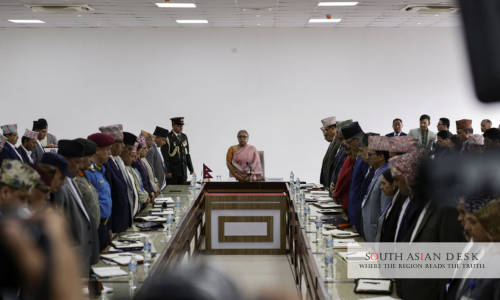
Sushila Karki, renowned for her anti-corruption stance during her tenure as Chief Justice, was appointed as Nepal’s first female prime minister in an interim capacity. President Ramchandra Paudel administered the oath of office and secrecy to her, as confirmed by official government records. This marks a historic moment, with Karki vowing to address the protesters’ demands to eradicate corruption.
Sudan Gurung, in a press conference, stated: “I will make sure that the power lies with the people and bring every corrupt politician to justice.” However, Ronesh Pradhan, a 26-year-old Hami Nepal volunteer, emphasised: “We don’t want to be politicians. Sudan Gurung was only helping the ‘Gen Z’ group and we are only the voice of the nation and not interested in taking leadership positions.”
Other key figures include 24-year-old cafe owner Ojaswi Raj Thapa and law graduate Rehan Raj Dangal, who managed the group’s social media presence. Thapa noted: “We may need some changes to the constitution but we don’t want to dissolve the constitution.” These activists are ensuring that the process of picking new leaders prioritises capability and youth representation, as per a statement on Hami Nepal’s Instagram: “The process is being carefully carried out, so that it consists of skilled and capable youth.”
Meetings between Karki and Hami Nepal representatives continue, with the aim of finalising the cabinet soon. This involvement of activists in selecting new leadership represents a novel approach in Nepali politics, blending grassroots activism with governance.
Background From the Day Nepal Government Toppled
Nepal’s political landscape has long been marred by instability, with frequent government changes since the end of the monarchy in 2008. The recent protests echo broader regional trends, such as anti-corruption drives in neighbouring countries, but stand out for their digital organisation and youth focus. The Nepal government toppled amid accusations of graft, including mishandling of public funds, which fuelled public outrage. Hami Nepal emerged as a pivotal force, evolving from disaster relief to political advocacy.
What’s Next
As activists continue picking new leaders, the interim government has set elections for 5 March 2026 to restore stability. The focus remains on implementing anti-corruption measures, with young voices shaping Nepal’s future trajectory.
In this evolving scenario, activists picking new leaders could redefine governance in Nepal, ensuring that the momentum from the toppled government translates into lasting reforms.
Published in SouthAsianDesk, September 14th, 2025
Follow SouthAsianDesk on X, Instagram, and Facebook for insights on business and current affairs from across South Asia.