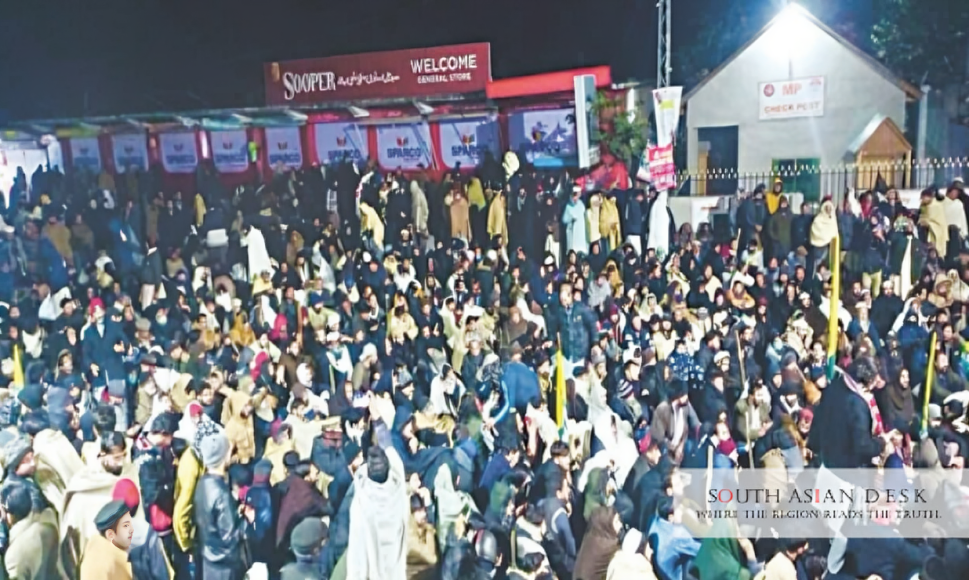
Muzaffarabad protests erupted into violence on Monday, August 25, 2025, when a strike called by the Jammu Kashmir Joint Awami Action Committee (JKJAAC) collided with a counter-rally by the Muslim Conference, leaving one dead and over a dozen injured near Neelum Bridge at around 4:35 PM. The unrest paralysed the city amid a communications blackout, as demonstrators demanded relief from rising costs and elite privileges.
What triggered the deadly Muzaffarabad violence JKJAAC Muslim Conference clash, and how might it reshape local politics? These Muzaffarabad protests matter across South Asia because they highlight simmering discontent in Azad Jammu and Kashmir, a flashpoint between Pakistan and India. Escalating tensions could strain bilateral ties, disrupt trade routes, and inspire similar actions in other border areas, underscoring the fragility of regional stability amid economic pressures.
Roots of the Muzaffarabad Protests
The JKJAAC organised a shutter-down and wheel-jam strike across Azad Jammu and Kashmir to press for long-standing demands. These include slashing electricity tariffs, providing subsidised wheat flour, and abolishing perks for government officials and reserved seats for Pakistan-based refugees from Indian-administered Kashmir. Negotiations with the Azad Jammu and Kashmir government stalled last week, prompting the action.
Protesters gathered at Lal Chowk in Muzaffarabad from early morning. Shops shuttered, roads emptied, and public transport halted, enforcing a near-total lockdown. The strike affected major towns including Mirpur, Poonch, and Neelum Valley, crippling daily commerce.
Shaukat Nawaz Mir, a central leader of the JKJAAC, addressed the crowd. “Some elements wanted to create a May 9-like situation in AJK for reasons best known to them,” he said. “We urge the army chief to take stock of the situation.” Mir called for another gathering at Lal Chowk on Tuesday, August 26, at 11am.
Muzaffarabad Violence: JKJAAC Muslim Conference Clash Unfolds
The Muzaffarabad protests took a deadly turn after midday when a “peace rally” led by Muslim Conference figure Raja Saqib Majeed marched through the city. The group, aligned with shopkeepers opposing the strike, aimed to keep businesses open. Tensions boiled over at Neelum Bridge, where the two factions met.
Witnesses reported gunfire from the peace rally side targeting JKJAAC demonstrators. Police and paramilitary forces responded with tear gas and live rounds. Mohammad Sudheer, 30, a JKJAAC supporter, succumbed to gunshot wounds. Over a dozen others, including a policeman, suffered injuries. Spent bullet casings littered the site, though accounts differ on who fired first.
Local shopkeeper Raja Safeer questioned the timing. “When the action committee had already given a call for lockdown for August 25, why was Mr Majeed allowed to hold a so-called peace march on the same day?”
The Muzaffarabad violence JKJAAC Muslim Conference clash lasted under an hour but left the bridge area cordoned off. Security forces deployed in strength, conducting flag marches to restore order.
Communications Blackout Deepens Isolation
A mobile and internet blackout, imposed since Sunday noon on August 24, compounded the chaos during the Muzaffarabad protests. Services remained suspended across Azad Jammu and Kashmir, hindering coordination and information flow. Sources indicate the cutoff could extend until Wednesday, August 27.
The blackout prevented contact with local officials and Raja Saqib Majeed for comment. It also stalled emergency responses, with ambulances delayed in reaching the injured. Businesses reported losses running into millions, though exact figures await confirmation.
Official Responses to the Unrest
Azad Jammu and Kashmir Prime Minister Anwar ul Haq addressed the crisis in a statement. “Ninety per cent of the demands have been accepted,” he said. “We warn against violent protests that harm the public.” Haq emphasised dialogue but urged restraint from all sides.
Pakistan’s Prime Minister Muhammad Shehbaz Sharif echoed the call for calm. He urged Azad Kashmir protesters to withdraw the lockdown and resume talks with the AJK government. “The demands are under active consideration,” Sharif stated, pledging federal support for economic relief.
No arrests were reported immediately after the incident, but police vowed to investigate the shooting. The JKJAAC accused authorities of bias, claiming the peace rally received undue protection.
Impacts on Daily Life and Economy
The Muzaffarabad protests brought the region to a standstill. Markets in Muzaffarabad and surrounding areas saw zero activity, with vendors and transporters joining the strike. Schools closed, and hospitals operated at reduced capacity due to staff shortages and the blackout.
Economic fallout mounted quickly. Small traders, already hit by inflation, faced daily losses estimated at PKR 500 million region-wide. The unrest disrupted supply chains, raising fears of shortages in essentials like flour and fuel.
Residents expressed frustration over the blackout’s toll. “We cannot even call family to check if they are safe,” said one protester, speaking on condition of anonymity.
Background: Grievances Fuel Ongoing Strife
The current Muzaffarabad protests stem from a 38-point charter submitted by the JKJAAC earlier this year. Key issues include rolling back elite subsidies, estimated at PKR 500 million annually, and addressing power tariffs that have doubled since 2023. The group accuses the AJK government of favouring refugees over locals in resource allocation.
Past strikes in May 2025 saw similar demands, leading to partial concessions. However, implementation lagged, eroding trust. The Muslim Conference, a pro-government party, has positioned itself as a defender of business interests, often clashing with JKJAAC over tactics.
This backdrop of economic hardship, coupled with the Kashmir dispute, amplifies the stakes. India and Pakistan both claim the territory, and any escalation risks diplomatic fallout.
What’s Next for Muzaffarabad Protests
As the dust settles from Monday’s violence, the JKJAAC plans to sustain pressure through extended strikes. Mir’s call for a Tuesday gathering signals no immediate retreat. The AJK government faces a test: fulfil promises or risk broader mobilisation.
Federal intervention could broker peace, but the communications blackout must lift first. Analysts warn that unresolved grievances may spark copycat actions in other Pakistani provinces, testing Islamabad’s grip.
In conclusion, the Muzaffarabad protests underscore urgent needs for reform in Azad Jammu and Kashmir. With one life lost and divisions deepened by the JKJAAC-Muslim Conference clash, swift action is essential to avert further Muzaffarabad violence.
Published in SouthAsianDesk, September 30th, 2025
Follow SouthAsianDesk on X, Instagram, and Facebook for insights on business and current affairs from across South Asia.