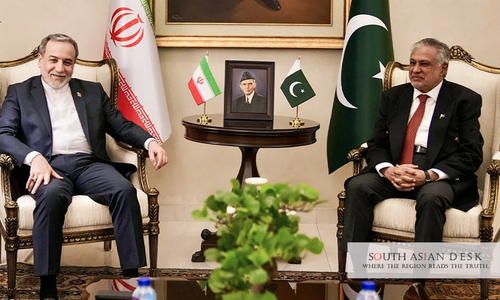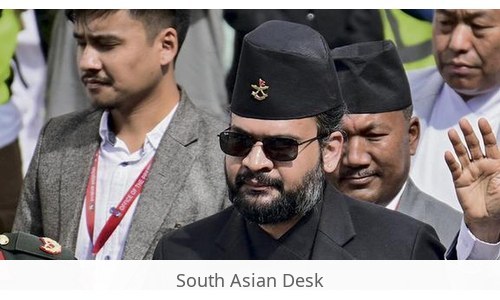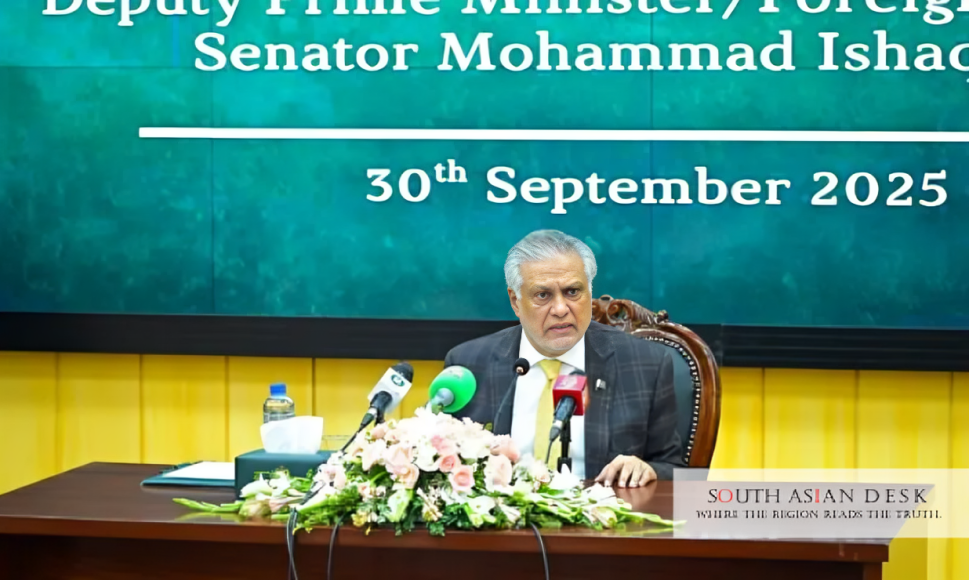
Pakistan’s commitment to the Gaza deal has started to waver after key alterations to the draft, Foreign Minister Ishaq Dar revealed at a press conference in Islamabad on Monday, August 25, 2025, at 4:35 PM. The changes, pushed by Israel, tie withdrawal timelines to Hamas disarmament and grant veto powers, diverging from the version endorsed by eight Muslim nations including Pakistan.
This shift exposes cracks in the multinational effort to end the 22-month conflict in Gaza, where over 41,000 Palestinians have died since October 2023, according to UN data. For South Asia, the story carries weight as Pakistan, a leading voice in the Organisation of Islamic Cooperation (OIC), navigates its role in bridging Muslim world diplomacy with Western powers. A faltering Pakistan Gaza deal wavers could embolden hardliners across the region, ripple into domestic politics in Islamabad, and complicate aid flows to Palestine, where Pakistan has dispatched 18 consignments totalling 1,800 tonnes since the war began.
Ishaq Dar’s Stance: Trump Gaza Plan Not Our Document
Deputy Prime Minister and Foreign Minister Senator Mohammad Ishaq Dar addressed the media to clarify Pakistan’s position amid mounting speculation. “This is not our document, which we sent to them,” Dar stated firmly, referring to the 20-point plan unveiled by US President Donald Trump on September 30, 2025. He emphasised that the original draft, hammered out during UN General Assembly sidelines in New York last month, focused on immediate ceasefire, unrestricted humanitarian aid, halting forced displacements, Gaza reconstruction, and averting West Bank annexation.
Dar reiterated Pakistan’s ownership of a joint statement issued by foreign ministers of Jordan, UAE, Indonesia, Pakistan, Turkiye, Saudi Arabia, Qatar, and Egypt on September 24, 2025. That document praised Trump’s “leadership and sincere efforts to end the war in Gaza” while outlining a roadmap for a two-state solution based on pre-1967 borders. “Pakistan owned the joint statement given on behalf of eight Muslim countries. If there is a difference, we will go by this,” Dar added, underscoring no shift in Islamabad’s policy on Palestinian statehood.
The remarks came days after Trump claimed “100 percent” support from Prime Minister Shehbaz Sharif and Army Chief Field Marshal Asim Munir during a White House briefing. Trump described the plan as a “workable solution” devised with input from the Muslim bloc’s foreign ministers. Yet, Dar framed Trump’s announcement as “an announcement from their side,” signalling a subtle but pointed retreat from full endorsement.
This Ishaq Dar Trump Gaza plan not our document pivot has fuelled perceptions of a U-turn in Pakistan, especially as the US presses for swift Hamas acceptance. A senior Pakistani diplomat, speaking anonymously, noted that while initial engagements were proactive, the draft’s evolution without consensus violated trust built over weeks of talks.
Key Changes Fueling Pakistan Gaza Deal Wavers
Reports from Axios, cited in diplomatic circles, detail how Israeli Prime Minister Benjamin Netanyahu negotiated revisions that transformed the proposal’s core. The updated draft now conditions Israel’s phased withdrawal from Gaza on verifiable Hamas disarmament progress. Even after three withdrawal phases, Israeli forces would maintain a security buffer “until Gaza is properly secure from any resurgent terror threat.”
These alterations introduce a timetable laden with contingencies, including Israel’s veto over disarmament verification. The original, as per the eight-nation framework, prioritised unconditional aid corridors and reconstruction funding estimated at USD 50 billion over five years, sourced from Gulf states and international donors. Pakistan had pledged PKR 1 billion (USD 3.6 million) towards initial humanitarian phases, per Ministry of Foreign Affairs records.
Hamas, the de facto Gaza authority, signalled rejection early. A senior figure told Reuters the plan “serves Israel’s interests and ignores those of the Palestinian people.” Trump issued a stark ultimatum on September 29, 2025, giving Hamas “three to four days” to comply or face a “very sad end.” With the deadline expiring imminently, Qatar the mediator in prior ceasefires attempted to delay the plan’s release, sources say, citing unaddressed Palestinian concerns.
Troop Commitments Hang in Balance
A contentious element involves post-conflict stabilisation. Indonesia announced 20,000 troops for an International Stabilisation Force (ISF) to support Palestinian law-enforcement agencies in maintaining order. Dar acknowledged the offer during his briefing: “On the ground, there will be Palestinian law-enforcement agencies… there will be [separate] forces supporting them. Indonesia has offered 20,000 troops for that. I am sure Pakistan’s leadership will also be making a decision on this.”
Pakistan’s potential contribution remains undecided, with military analysts estimating 5,000-10,000 personnel if approved. This hesitation ties directly to the Pakistan Gaza deal wavers, as troop deployment hinges on the draft’s fidelity to the joint statement. In South Asia, such a mission could strain Pakistan’s resources amid economic pressures, with defence spending at 2.7% of GDP in fiscal 2025, per World Bank figures.
Background: From UNGA Hopes to Draft Disputes
The saga traces to September 23, 2025, when leaders from Arab League and OIC nations, including Sharif, met Trump in New York. A joint statement thanked the US president for convening the multilateral summit and committed to collaborative peace efforts. Preparatory huddles with foreign ministers refined a draft emphasising UN Security Council resolutions and international law.
Pakistan’s engagement reflected its longstanding solidarity with Palestine, rooted in OIC leadership and bilateral ties. Since October 2023, Islamabad has condemned Israeli actions 25 times via official releases and airlifted aid worth PKR 800 million. Yet, the draft changes emerging post-Netanyahu’s input have eroded that momentum, mirroring past frustrations like the 2018 US embassy move to Jerusalem.
What’s Next for the Stalled Talks
As Hamas weighs the ultimatum, US envoys shuttle between Doha and Jerusalem. Pakistan has signalled readiness for further consultations, with Dar scheduling calls to counterparts in Riyadh and Ankara. Analysts predict a revised counter-proposal from the eight-nation bloc by week’s end, potentially restoring alignment.
Broader implications loom for South Asia. A collapsed deal could escalate refugee pressures on Jordan and Egypt, indirectly affecting Pakistani diaspora remittances totalling USD 2.5 billion annually from Gulf hosts. Domestically, opposition parties like PTI have criticised the government for “vague diplomacy,” per recent Senate debates.
In conclusion, the Pakistan Gaza deal wavers amid these unresolved tensions, but Islamabad’s insistence on the original framework may yet salvage a viable path to enduring peace.
Published in SouthAsianDesk, October 1st, 2025
Follow SouthAsianDesk on X, Instagram, and Facebook for insights on business and current affairs from across South Asia.