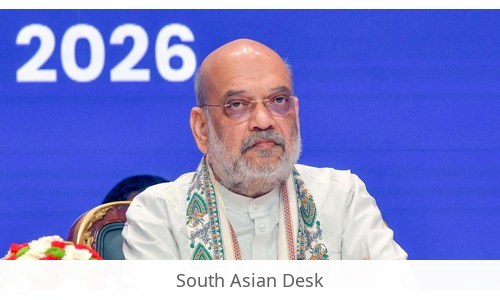
Kabul, Afghanistan (South Asian Desk) – The Taliban internet ban denial on Wednesday, October 1, 2025, rejecting claims of a deliberate nationwide shutdown amid a communications blackout that left 43 million people offline since Monday. Spokesman Zabihullah Mujahid attributed disruptions to decaying fibre-optic cables. The outage halted flights, banking, and aid deliveries. This marks the group’s first official response to the crisis.
The Taliban internet ban denial carries weight across South Asia. Afghanistan shares borders with Pakistan, India, and Iran, where millions rely on cross-border trade and remittances. A prolonged outage could spike refugee flows and disrupt regional supply chains, already strained by a recent 6.0-magnitude earthquake that killed over 2,200. Connectivity failures amplify humanitarian needs in a nation where 97 per cent of women face job bans and education curbs. Stability here affects counter-terrorism efforts and economic ties from Delhi to Islamabad.
Taliban Rejects Nationwide Internet Blackout Reports 2025
The Taliban rejects nationwide internet blackout reports 2025 with a firm statement shared via WhatsApp with Pakistani journalists and echoed on social media. At 4:35 PM on October 2, 2025, partial services resumed in Kabul, but rural areas lag. Netblocks, a London-based watchdog, confirmed the blackout engulfed the entire country by 8:00 AM on September 29. Traffic dropped to zero per cent of normal levels.
Zabihullah Mujahid, the Taliban’s chief spokesman, told the Al-Emarah website that rumours of a ban stemmed from misinformation. “Some people were spreading rumours about a ban on the internet,” Mujahid said. He stressed replacement work on old infrastructure. A three-line official note added: “There is nothing like the rumours being spread that we have imposed a ban on the internet.”
An Afghan government official spoke to Agence France-Presse on September 29. The source revealed plans to shut down 8,000 to 9,000 telecommunications pillars from the fibre-optic network until further notice. TOLOnews reported a one-week deadline for disabling 3G and 4G mobile services nationwide. These steps align with prior provincial curbs but fuel scepticism over the Taliban internet ban denial.
Official Statement Breakdown
The Taliban rejects nationwide internet blackout reports 2025 by pinning blame on technical woes. Mujahid’s comments appeared on Al-Emarah, the group’s Urdu-language outlet, hours after the blackout peaked. No timeline for full restoration emerged. The statement reached journalists in a closed chat group, then spread to X posts by verified accounts.
Primary data from Netblocks shows peak disruption hit 100 per cent by Tuesday noon. Telephone lines failed alongside data services. Kam Air, Afghanistan’s largest carrier, grounded 12 flights from Dubai and Istanbul. “We are blind without internet,” a pilot told TOLOnews. Banking apps froze, halting PKR 500 million in daily remittances from Pakistan.
Humanitarian groups sounded alarms. Save the Children noted: “Reliable communications are essential for our ability to operate, to deliver life-saving assistance, and to coordinate with partners.” The blackout hit post-earthquake relief, where 500,000 people need shelter in eastern provinces.
Impact of the Blackout on Afghan Society
The Taliban internet ban denial did little to ease immediate pain. Families in Herat queued for cash after ATMs went dark. Traders in Kandahar lost USD 2 million in stalled exports to India. Women, already barred from most jobs, faced extra isolation. One Kabul resident messaged Reuters via satellite: “No news, no school apps for my daughters. This feels like a ban.”
Provincial reports vary. In Balkh, a spokesman confirmed a fibre-optic cut on September 16 to “prevent vice.” Similar moves hit Badakhshan, Takhar, Helmand, Kandahar, and Nangarhar last month. These follow a decree by leader Haibatullah Akhunzada against “immoral activities.” Critics link the Taliban internet ban denial to a pattern of selective throttling.
Euronews cited industry sources: mobile data usage fell 95 per cent in 24 hours. Aviation regulators grounded 25 domestic routes. Commerce stalled as e-payments vanished. The World Food Programme warned of delayed rice shipments to 1.2 million families.
Voices from the Ground
A Kabul shopkeeper described chaos to NBC News. “Customers pay with promises now. No digital transfers.” In Mazar-i-Sharif, students missed online classes. “Teachers say wait, but how long?” one texted via VPN. The Taliban rejects nationwide internet blackout reports 2025, yet public trust wanes amid past curbs.
International monitors track patterns. Amnesty International urged restoration on September 30, calling the shutdown a rights violation. Human Rights Watch echoed: “Internet shutdowns imperil rights and livelihoods.” No UN response followed the denial yet.
Background: A History of Connectivity Controls
Afghanistan’s digital woes predate 2025. Since the Taliban’s 2021 takeover, bandwidth halved. A 2023 decree limited speeds to curb “un-Islamic” content. Provincial bans surged in 2024, targeting music and social media. The September 29 outage follows a 6.0 quake on September 15, which wrecked 300 km of cables.
Data from the Asia Internet Coalition shows penetration at 22 per cent pre-blackout, down from 30 per cent in 2022. Rural areas, home to 70 per cent of Afghans, suffer most. The Taliban internet ban denial contrasts with earlier admissions of “vice prevention.” Past incidents include a 2024 Nangarhar shutdown during protests, lasting 72 hours. These fuel doubts over technical claims.
What’s Next for Afghan Connectivity
Restoration crews target 5,000 km of fibre lines by mid-October. Mujahid hinted at upgrades, but funding gaps loom. Pakistan pledged PKR 1 billion in aid cables. India eyes satellite links for border posts.
Donors watch closely. The EU froze EUR 300 million over rights issues; connectivity could sway releases. The Taliban rejects nationwide internet blackout reports 2025, but sustained access tests credibility. As patches return, Afghans hope for stability. Yet the Taliban internet ban denial leaves lingering questions on digital freedoms in a wired world.
Published in SouthAsianDesk, October 2nd, 2025
Follow SouthAsianDesk on X, Instagram, and Facebook for insights on business and current affairs from across South Asia.