Pakistan to attend Gaza peace moot 2025 as Foreign Minister Ishaq Dar leads a delegation to a high-level meeting in Turkiye next week. The gathering of eight foreign ministers focuses on implementing a ceasefire and reconstruction plan amid the Israel-Hamas conflict. Hosted by Ankara, it builds on UNGA80 talks. What role will Pakistan play in potential troop deployments?
Diplomatic Push Signals Shift in Pakistan’s Middle East Engagement
The decision underscores Pakistan’s deepening involvement in Palestinian affairs. Formed in September 2025 on the sidelines of the UN General Assembly in New York, the eight-nation group includes Pakistan, Turkiye, Qatar, Saudi Arabia, Indonesia, Egypt, the United Arab Emirates and Jordan. Their shared goal centres on supporting US President Donald Trump’s 20-point Gaza peace plan to end the war that has claimed over 42,000 lives since October 2023.
Foreign Minister Dar received the invitation during a telephone call from his Turkish counterpart, Hakan Fidan, on October 28. The two discussed the “evolving situation in Gaza” and “next steps and modalities for achieving lasting peace in Palestine,” according to a Foreign Office statement. Fidan highlighted the group’s role in the diplomatic process initiated at UNGA80.
This Pakistan delegation Gaza peace conference October event marks a rare multilateral forum excluding direct Israeli or Hamas participation. Diplomats aim to coordinate with Washington on immediate priorities: an unconditional ceasefire, hostage releases and deployment of a multinational stabilisation force. Pakistan’s attendance reflects its longstanding support for a two-state solution, reiterated in recent UN votes.
FM Dar’s Role in Gaza Peace Talks Next Week
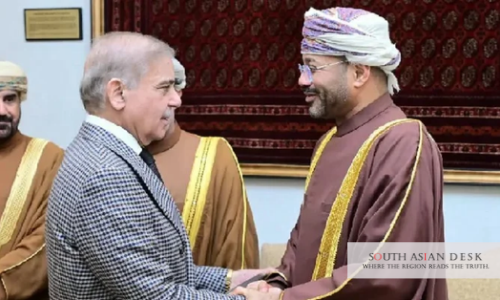
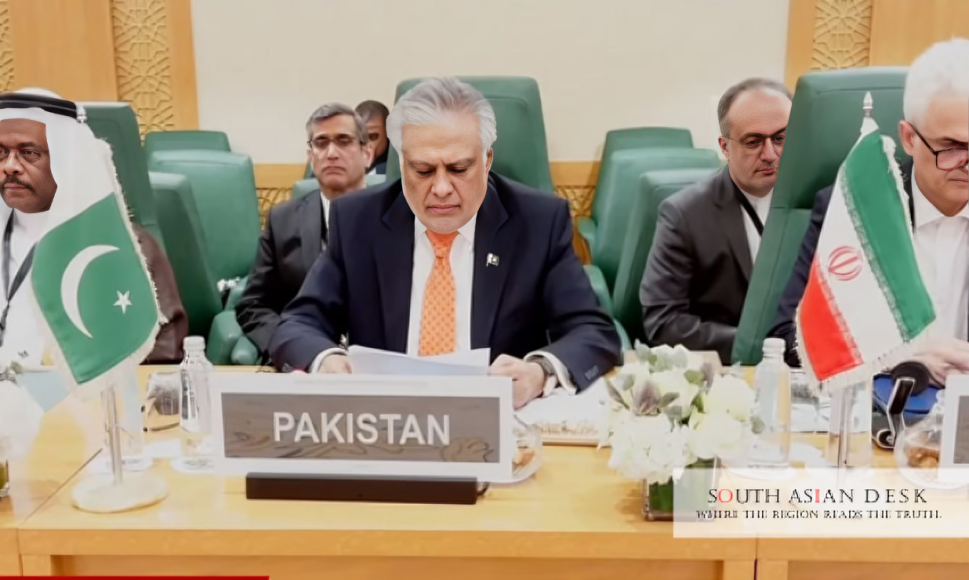
Deputy Prime Minister and Foreign Minister Ishaq Dar will represent Pakistan at the moot. His agenda includes bilateral meetings to align on reconstruction funding and security guarantees. Earlier this month, Dar met Egyptian Foreign Minister Badr Abdelatty at the Gaza Peace Summit in Sharm El Sheikh, where they stressed “urgent need for peace, stability and humanitarian relief in Gaza and Palestine.”
Dar also conferred with Saudi Foreign Minister Faisal bin Farhan on October 22, reaffirming “shared commitment to cooperation at multilateral fora, including the United Nations” on Gaza. These FM Dar Gaza peace talks next week build momentum from those exchanges.
Pakistan’s Foreign Office has condemned recent Israeli actions as “violations of the Gaza peace agreement,” urging the international community to enforce accountability. In a press release dated October 22, Islamabad highlighted the loss of civilian lives and called for renewed aid access. Aid trucks entered Gaza via Israel’s Kissufim crossing on October 27, carrying 200 tonnes of supplies, a modest step amid ongoing blockades.
Trump’s 20-Point Plan: Core of the Agenda
At the heart of discussions lies Trump’s 20-point Gaza peace plan, unveiled on September 29, 2025. The blueprint demands Gaza become a “deradicalised terror-free zone” with no threat to neighbours. Key provisions include:
- Immediate ceasefire and phased hostage exchanges.
- Deployment of a multinational force to secure and demilitarise the territory.
- Gulf-funded reconstruction turning Gaza into an economic hub.
- Unification of Gaza and the West Bank under Palestinian Authority control.
- Endorsement of a two-state solution with defined borders.
- Extension of the Abraham Accords for broader Arab-Israeli normalisation.
Trump set a deadline for Hamas to accept by October 5, warning of escalation otherwise. The plan has drawn praise from Gulf states but criticism from Palestinian factions for sidelining their input.
Pakistan aligns with elements promoting humanitarian relief and statehood. Officials note the proposal echoes the 2023 Arab-Islamic Contact Group’s initiatives. Yet, challenges persist: Israel rejects Turkish involvement in the stabilisation force, while Hamas demands full withdrawal of Israeli troops.
Potential Pakistani Troop Contribution Sparks Debate
Pakistan to attend Gaza peace moot 2025 amid speculation over military involvement. Officials confirm deliberations on contributing troops to the stabilisation force are at an “advanced stage.” Army Chief General Asim Munir visited Egypt, Jordan and Saudi Arabia last week to explore logistics.
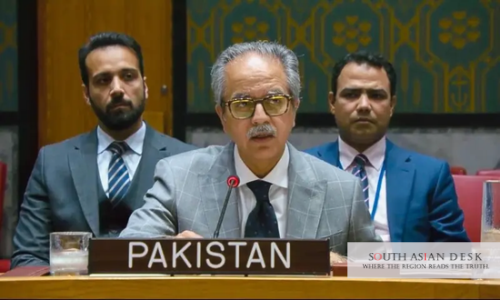
Defence Minister Khawaja Asif addressed concerns on October 28, stating: “This thing has to be finalised and it is in process. The government will take a decision after passing through the process.” He emphasised parliamentary consultation and institutional buy-in, adding that participation would be a “moment of pride” to protect Palestinians.
Islamabad prefers deployment under a UN flag to ensure legitimacy. Indonesia and Azerbaijan have signalled similar intentions, potentially forming a 5,000-strong initial contingent. No final numbers for Pakistan have emerged, but estimates suggest 1,000-2,000 personnel if approved.
The Foreign Office dismissed reports of a US-Israeli deal for 20,000 Pakistani troops as “misleading propaganda” from Indian media. Such claims ignore Pakistan’s constitutional requirements for overseas deployments.
Why This Matters for South Asia
In South Asia, Pakistan to attend Gaza peace moot 2025 carries strategic weight. As the only nuclear-armed Muslim nation, Islamabad’s voice amplifies regional calls for Palestinian rights. Success could ease tensions with India, which backs Israel’s security stance, and bolster Pakistan’s ties with Gulf donors amid economic strains.
The moot aligns with Pakistan’s OIC leadership, where it has pledged PKR 500 million in Gaza aid since 2023. Broader peace might stabilise oil prices, benefiting Pakistan’s import-dependent economy. Failure, however, risks radicalisation spillover, straining counter-terrorism efforts in border regions.
For Muslim communities in India and Bangladesh, the outcome influences diaspora sentiments and bilateral diplomacy. Pakistan’s participation reinforces its role as a bridge between South Asia and the Arab world, potentially unlocking trade corridors post-normalisation.
Historical Context: Pakistan’s Stance on Palestine
Recent escalations prompted PKR 1.2 billion in humanitarian aid by mid-2025. At the October 13 Gaza Peace Summit in Egypt, Dar urged “de-escalation and regional stability.” This week’s Pakistan delegation Gaza peace conference October follows that, focusing on actionable steps.
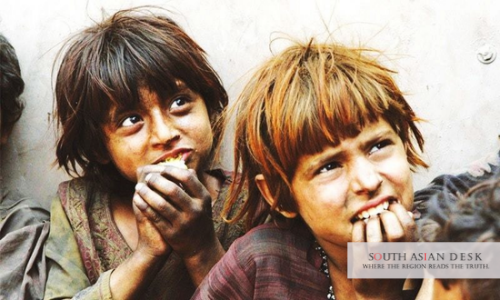
The 2023 war’s toll, 1.9 million displaced, 90% infrastructure damaged underscores urgency. UN data shows famine risks for 500,000 Gazans, with aid inflows at 10% of needs.
Challenges Ahead for FM Dar Gaza Peace Talks Next Week
Logistics pose hurdles. The moot’s venue in Ankara expects secure video links with Washington. Differing views on demilitarisation could stall progress. Egypt prioritises border security, while Qatar emphasises Hamas inclusion.
Israel’s rejection of Turkish troops complicates force composition. US mediation remains pivotal, with Trump eyeing legacy gains before 2028 polls.
Pakistan faces domestic scrutiny. Opposition parties demand transparency on costs, estimated at PKR 2 billion annually for a battalion. Public rallies in Lahore and Karachi last week called for aid over arms.
What’s Next
Outcomes from the moot will shape a November follow-up in Doha. Pakistan to attend Gaza peace moot 2025 sets the stage for troop pledges by year-end. A unified front could accelerate ceasefire talks, offering respite to Gaza’s 2.3 million residents. Dar’s team eyes endorsements for UN resolutions on reconstruction.
As the sun sets on another day of diplomacy, the path to peace hinges on compromise amid entrenched divides.
Published in SouthAsianDesk, October 29th, 2025
Follow SouthAsianDesk on X, Instagram, and Facebook for insights on business and current affairs from across South Asia.