Sheikh Hasina warns Awami League election boycott as millions of supporters prepare to shun the 2026 polls in Bangladesh. The former prime minister issued the threat from exile in India on Wednesday, citing the party’s ban under the interim government. This move risks deepening political divides in the country with over 126 million registered voters.
The warning underscores a brewing crisis in Bangladesh’s transition to democracy. Sheikh Hasina’s call highlights tensions that could spill over into South Asia. Her exile in India complicates bilateral ties, while a low-turnout election might embolden Islamist groups or opposition forces. Stability in the region hinges on inclusive polls; failure here could trigger refugee flows or economic disruptions affecting neighbours like India and Myanmar.
Hasina Exile in India Fuels Voter Boycott Fears in Bangladesh
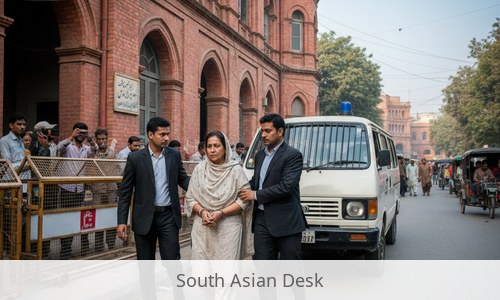
Sheikh Hasina, 78, fled to India in August 2024 after a student-led uprising toppled her 15-year rule. She now resides in New Delhi, where she walks freely in public gardens but remains guarded due to her family’s history of violence. A 1975 military coup killed her father and three brothers. Hasina told Reuters she longs to return home but only under a legitimate government.
In emailed comments to Reuters, published on October 29, Sheikh Hasina warns Awami League election boycott would follow if the party stays excluded. “The ban on the Awami League is not only unjust, it is self-defeating,” she said. “Millions of people support the Awami League, so as things stand, they will not vote. You cannot disenfranchise millions of people if you want a political system that works.”
She stressed her supporters would not back rivals. “We are not asking Awami League voters to support other parties,” Hasina stated. “We still hope common sense will prevail and we will be allowed to contest the election ourselves.” Hasina exile in India has drawn scrutiny, with Bangladesh seeking her extradition for trial. India has hosted her quietly, citing humanitarian grounds, but tensions simmer over border security and trade.
The ousted leader rejected charges of ordering lethal force against 2024 protesters. “The charge that I personally directed security forces to open fire on crowds is bogus,” she told AFP in a separate interview. A United Nations report documented up to 1,400 deaths in the crackdown, mostly from gunfire by security forces. Hasina called the ongoing trial a “politically motivated charade” by “kangaroo courts.” Proceedings at the International Crimes Tribunal concluded last week. A verdict comes on November 13.
Awami League Banned from 2026 Polls Sparks Outrage
The interim government, led by Muhammad Yunus, banned Awami League activities in May 2025 via amendments to the antiterrorism act. Officials cited national security threats and war crimes probes into party leaders. The Election Commission then suspended the party’s registration, barring it from the February 2026 vote.
Awami League banned 2026 polls decision has polarised Bangladesh. The party, founded in 1949, led the 1971 independence war and dominated politics for decades. Hasina’s tenure saw economic growth, with GDP per capita rising from $543 in 2009 to over $2,800 by 2024. Critics accuse her of authoritarianism, including jailing opponents and rigging votes.
Human Rights Watch labelled the ban “draconian,” warning it stifles pluralism. Lawyers for Awami League filed a complaint with the International Criminal Court this month, alleging retaliatory violence against supporters, including beatings and lynchings.
In the party’s absence, the Bangladesh Nationalist Party (BNP) emerges as favourite. BNP boycotted the 2024 election, leading to Hasina’s uncontested win. Jamaat-e-Islami, the largest Islamist outfit, gains traction in the Muslim-majority nation. Low turnout from a Hasina exile India voter boycott Bangladesh could tilt results toward hardliners, experts say.
Interim Leaders Counter with Security Alerts
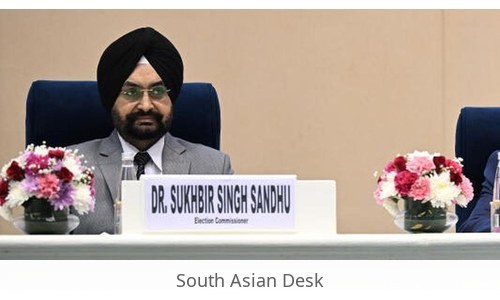
Muhammad Yunus, Nobel laureate and interim chief, addressed the threat head-on during a high-level election meeting on October 29. He warned of “internal and external” forces plotting to derail the polls, implicitly targeting Awami League backers. “Many powerful forces, not minor ones, will attempt to thwart it. Sudden attacks may come,” Yunus said. He flagged AI-generated propaganda on social media as a risk. “We must overcome them,” he urged officials.
Yunus took power days after Hasina’s fall, appointed by student leaders. His government reformed institutions, but faces criticism for slow progress on reforms. Spokespeople declined immediate comment on Hasina’s remarks. Chief Prosecutor Tajul Islam, at the tribunal, called Hasina “the nucleus” of uprising crimes and sought the death penalty. Prosecutors played verified audiotapes of her ordering “lethal weapons” against crowds.
Recent arrests of Awami League activists underscore tensions. Hundreds faced detention for unauthorised marches in Dhaka this week. Yunus pledged free, fair elections but insists security trumps inclusion for banned groups.
Background: The 2024 Uprising That Changed Bangladesh
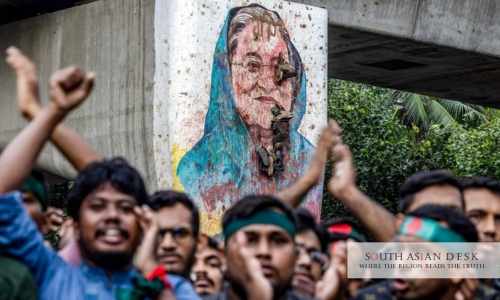
Protests erupted in July 2024 over job quotas favouring freedom fighters’ kin, seen as Awami League patronage. Security forces fired on crowds, killing hundreds and sparking nationwide fury. Hasina resigned on August 5 and fled by helicopter to India. The violence marked Bangladesh’s worst since independence, with 1,400 confirmed deaths per UN data.
Yunus’s interim setup vowed reforms, including a state overhaul charter signed amid clashes this month. Streets calmed, but targeted attacks on Awami League offices persist. Hasina’s son, Sajeeb Wazed, in the US, eyes party leadership if needed, though she downplays family roles.
What’s Next for Bangladesh’s Fractured Politics
The November 13 verdict could escalate calls for Hasina exile India voter boycott Bangladesh. If convicted, extradition pressures on India mount. Yunus eyes resignation post-polls, per earlier reports. Election Commission ramps up voter registration drives to counter boycott fears.
Awami League banned 2026 polls ruling faces legal challenges. BNP pushes for swift voting, while Islamists rally supporters. Regional watchers, including India, monitor for spillover effects on trade routes and Rohingya refugee flows.
Sheikh Hasina warns Awami League election boycott remains a live threat. Without reversal, February 2026 risks record abstentions, sowing seeds of unrest. Bangladesh’s 170 million people deserve polls that unite, not divide. Stability demands dialogue over bans.
Published in SouthAsianDesk, October 30th, 2025
Follow SouthAsianDesk on X, Instagram, and Facebook for insights on business and current affairs from across South Asia.