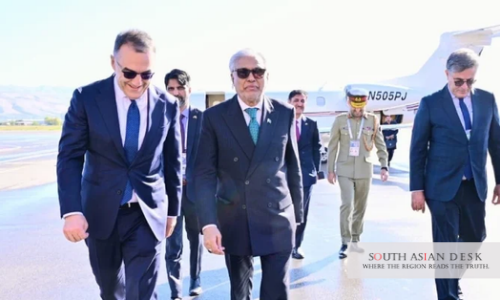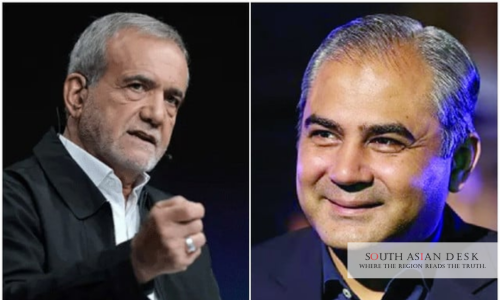
In Tehran on 29 October 2025, Pakistan’s Interior Minister Mohsin Naqvi held talks with Iran’s President Masoud Pezeshkian, where Iran offered mediation to address Pakistan-Afghanistan tensions triggered by cross-border attacks. The Naqvi Pezeshkian meeting focused on security cooperation and regional stability. What role might Tehran play in de-escalating the crisis?
This Naqvi Pezeshkian meeting carries weight across South Asia. Escalating Pakistan-Afghanistan tensions have disrupted trade routes vital for over 2 million annual truck movements and exacerbated refugee crises affecting 1.7 million Afghans in Pakistan. Iran’s intervention could stabilise the Durand Line region, curb terrorism spillover into Balochistan and Khyber Pakhtunkhwa, and foster trilateral economic ties under frameworks like the Economic Cooperation Organisation. Failure to resolve these frictions risks broader instability, drawing in actors from Central Asia to the Arabian Sea.
Naqvi Pezeshkian Meeting Highlights Bilateral Security Ties
The Naqvi Pezeshkian meeting occurred amid heightened security concerns along the 2,640-kilometre Pakistan-Afghanistan border. Naqvi, on a three-day visit to Iran, conveyed greetings from Prime Minister Shehbaz Sharif and briefed Pezeshkian on recent border incidents. These include skirmishes following a 11 October 2025 attack from Afghan soil that killed seven Pakistani soldiers.
Naqvi stressed the need for joint action against terrorism and narcotics smuggling. He noted that both nations share a 909-kilometre border prone to incursions by groups like Jaish al-Adl and the Balochistan Liberation Army. “Iran and Pakistan are partners in regional peace and stability,” Naqvi stated during the discussions. He added, “We are keen to expand cooperation with Iran, especially in the areas of security and counter-narcotics.”
Pezeshkian reciprocated by underscoring Tehran’s commitment to Islamabad. “Iran attaches special importance to its relations with Pakistan and cannot forget the immense support from Islamabad,” he remarked. The Iranian leader expressed satisfaction with current ties and called for deeper collaboration to exploit economic opportunities, including energy projects and trade corridors.
The talks extended to internal security exchanges. Naqvi invited his Iranian counterpart, Eskandar Momeni, for a reciprocal visit. Separate meetings with Supreme National Security Council Secretary Ali Akbar Velayati and Momeni covered counterterrorism strategies and border management. Velayati described bilateral progress as “encouraging and constructive.”
Official data from Pakistan’s Interior Ministry indicates over 500 security incidents along the border in 2025, up 15% from the previous year. Iran reported similar rises in smuggling, with 1,200 kilograms of narcotics seized in joint operations last quarter.
Iran Offers Mediation in Pakistan Afghanistan Tensions
A pivotal moment in the Naqvi Pezeshkian meeting came when Pezeshkian proposed Iran’s mediation role. This Iran offers mediation Pakistan Afghanistan tensions initiative aims to broker dialogue between Islamabad and Kabul, following failed talks in Istanbul mediated by Turkiye and Qatar.
Recent hostilities stem from Taliban accusations of Pakistani airstrikes into Afghanistan, which Islamabad neither confirmed nor denied. Pakistan demands Kabul curb terror groups using Afghan territory, including the Tehrik-i-Taliban Pakistan. Skirmishes since 11 October have resulted in 23 Pakistani and 15 Afghan casualties, per military briefings.
Pezeshkian’s offer positions Iran as a neutral broker, leveraging its ties with the Taliban and Pakistan. Tehran maintains diplomatic channels with Kabul despite Western sanctions and hosts 4 million Afghan refugees. “Iran is ready to mediate between Pakistan and Afghanistan to resolve their disputes,” Pezeshkian announced in the meeting.
This aligns with Iran’s broader regional diplomacy. In August 2025, Tehran hosted ECO talks where Pakistan and Iran pledged anti-terror pacts. The mediation proposal could integrate with the Doha process, where a temporary ceasefire was agreed last month but collapsed in Istanbul.
Pezeshkian Naqvi Taliban Peace Proposal Takes Shape
The Pezeshkian Naqvi Taliban peace proposal forms the core of Iran’s mediation strategy. It envisions trilateral summits focusing on border security, refugee repatriation, and economic incentives. Pezeshkian suggested a “fraternal role” for Tehran, drawing on shared Shia-Sunni cultural links and historical alliances.
Naqvi welcomed the idea, briefing Pezeshkian on Pakistan’s intelligence-based operations that neutralised 89 militants in Khyber Pakhtunkhwa since September. He highlighted the Taliban’s denial of harbouring terrorists but noted persistent threats from groups like the Gul Bahadur faction.
Iran’s proposal includes confidence-building measures: joint border patrols, hotline mechanisms, and trade revival. Bilateral trade between Pakistan and Iran reached USD 2.5 billion in 2024-25, but tensions have halved cross-border volumes. A successful Pezeshkian Naqvi Taliban peace proposal could boost this by 30%, per ECO estimates.
Experts note Iran’s unique position. Unlike Qatar’s Doha focus, Tehran’s approach emphasises on-ground security. However, challenges persist: Taliban distrust of external mediators and Pakistan’s insistence on verifiable action against TTP bases.
During the Naqvi Pezeshkian meeting, both sides agreed to form working groups on anti-narcotics. Pakistan reported seizing PKR 500 million worth of drugs at the Chaman crossing in October alone. Iran pledged technical aid, including drone surveillance tech.
Background: Escalating Tensions Demand Urgent Action
Pakistan-Afghanistan relations have frayed since the Taliban’s 2021 takeover. Accusations of sanctuary for militants led to deportations of 800,000 Afghans by mid-2025. The 11 October incident marked the deadliest escalation, with artillery exchanges displacing 5,000 border villagers.
Iran, sharing a 936-kilometre border with Afghanistan, faces parallel threats from ISIS-Khorasan. Tehran’s 2024 strikes into Afghanistan underscore its stake. The Naqvi Pezeshkian meeting builds on May 2025 commitments to resolve the Iran-Pakistan gas pipeline, stalled at 781 kilometres due to sanctions.
Regional forums like the Shanghai Cooperation Organisation have urged de-escalation. UN Special Representative Rosemary DiCarlo voiced concern over Istanbul talks’ failure on 28 October, warning of humanitarian fallout.
What’s Next for Naqvi Pezeshkian Meeting Outcomes
Islamabad plans to consult allies on Iran’s mediation offer. A follow-up Naqvi Pezeshkian meeting could occur in Islamabad next month. Meanwhile, Pakistan continues operations, with 12 militants killed in North Waziristan on 30 October.
Success hinges on Taliban engagement. Pezeshkian has signalled direct outreach to Kabul. For South Asia, this could herald a new era of connectivity, from Chabahar port to Gwadar.
The Naqvi Pezeshkian meeting underscores Iran’s pivotal mediation with Afghanistan potential, offering a pathway to enduring peace.
Published in SouthAsianDesk, October 30th, 2025
Follow SouthAsianDesk on X, Instagram, and Facebook for insights on business and current affairs from across South Asia.