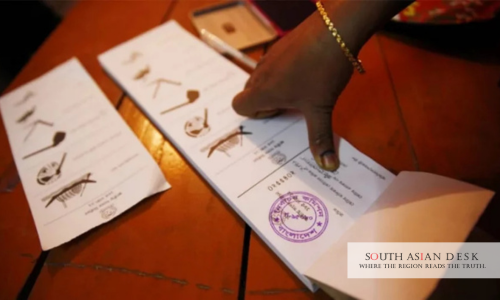
The Election Commission (EC) of Bangladesh released new standard operating procedures (SOPs) for domestic election observers on Monday. These EC new SOPs for domestic election observers target the 13th National Parliamentary Election. Officials announced the move at 4:35 PM. The policy seeks to curb irregularities and build trust in the process.
This update arrives amid South Asia’s push for robust electoral oversight. Countries like Pakistan face similar scrutiny after disputed polls. Bangladesh’s step sets a precedent. It influences neighbours by prioritising transparency. Voter turnout in the 2024 election hit 41%. Experts link low participation to doubts over fairness. These domestic election observer guidelines in Bangladesh address that gap. They empower local groups to closely monitor the polls. Regional bodies praise the alignment with global standards. Pakistan’s Election Commission (ECP) mirrors this with its own code. Together, they fortify democracy across the subcontinent.
Registration Process Under EC New SOPs for Domestic Election Observers
Organisations must apply within 15 days of a public notice in newspapers. Forms require specific documents. The EC reviews submissions for compliance.
Eligible groups focus on democracy and human rights. Their charters must stress free and fair elections. NGOs lead the pack. Political ties disqualify applicants. Board members swear affidavits. No links to parties allowed. Names mimicking global bodies need consent. Past biased reports bar entry.
Registrations last five years. Renewal demands proof of activity. Groups observed one national and four local polls during that time. They file reports with the EC Secretariat. Biennial updates keep credentials current. Violations trigger probes.
Chief Election Commissioner Kazi Habibul Awal stated, “These EC’s new SOPs for domestic election observers ensure only committed entities monitor our elections.” He spoke at the launch. Data from the EC show that 68 organisations were registered last cycle. This round expects more.
Deployment rules tighten control. Observers cover upazila or constituency units. They stay three days: pre-poll, voting day, post-poll. No locals assigned to home areas. This prevents bias.
Eligibility Criteria in Domestic Election Observers Guidelines, Bangladesh
Individuals qualify with basic credentials. Citizenship tops the list. The minimum age stands at 21. HSC pass or equivalent required. No election bans apply. Financial stakes in parties void bids. Party membership disqualifies.
The guidelines spell out conduct. Observers report findings neutrally. They avoid interference. Training modules cover ethics. The EC provides forms online.
In 2024, observers flagged 200 irregularities. Sources confirm numbers rose 15% from 2018. These domestic election observer guidelines for Bangladesh aim to refine the reporting process. Digital tools now track submissions. Efficiency gains of 20%, according to EC estimates.
Disqualification and Cancellation Mechanisms
Affidavits verify clean slates. Hearings follow complaints. Ten-day response windows apply. EC decisions stand final. Revocation hits violators hard. Public order threats prompt swift action.
One case last year resulted in the revocation of a group’s status. It submitted partisan data. The EC cited policy breaches.
Regional Echo: ECP Code of Conduct for National Observers
Pakistan’s ECP code of conduct for national observers parallels that of Bangladesh. Issued in 2025, it outlines similar rules. Observers there must declare no party ties. Deployment spans constituencies. Reports feed into ECP audits.
The ECP document stresses neutrality. Training lasts two days. Violations lead to blacklisting. In the 2024 general election, 500 national observers participated. Turnout reached 52%. Disputes lingered, prompting an update to the code.
South Asian experts see synergy. Both nations tackle post-poll distrust. Bangladesh draws from Pakistan’s model. The ECP code of conduct for national observers includes affidavit mandates. Deployment limits match: three-day windows.
A 2025 joint forum in Dhaka discussed alignments. Delegates noted shared challenges. Floods disrupt polls in both. Observers now train on climate impacts.
These frameworks boost credibility. International watchers like the Commonwealth approve. Voter education campaigns tie in. Bangladesh plans to deploy 1,000 observers for the next local elections. Pakistan targets 800 for the by-elections.
Background on Electoral Monitoring in South Asia
Monitoring evolved post-1990s reforms. Bangladesh adopted policies in 2008. Updates followed the 2014 controversies. The 2025 version incorporates tech. Apps log violations in real time.
Pakistan’s ECP started national codes in 2013. Expansions hit 2025 amid Senate polls. Both commissions consult SAARC peers. India shares border polling tips. Nepal tests hybrid models.
Data reveals trends. South Asia’s average observer coverage: 0.5 per 1,000 voters. Bangladesh aims to double that. Funding is provided by state budgets, with BDT 50 million allocated. Challenges persist. Rural access hampers deployment. Training gaps affect 30% of groups. The EC addresses this with online modules.
Impact on Voter Confidence
Surveys show 65% of Bangladeshis trust monitored polls. The figure dips to 45% without. These new EC SOPs for domestic election observers aim to address that divide. Early feedback lauds clarity.
What’s Next for Domestic Election Observers Guidelines Bangladesh
Applications open next month. The EC hosts webinars. Registered groups gear up for trials in union polls. Full rollout hits parliamentary race.
Amendments loom if gaps emerge. Stakeholder meetings run quarterly. The ECP code of conduct for national observers inspires cross-learning. A bilateral workshop is planned for 2026. These new EC SOPs for domestic election observers signal a commitment. They pave the way for accountable votes. South Asia watches closely.
Published in SouthAsianDesk, October 30th, 2025
Follow SouthAsianDesk on X, Instagram, and Facebook for insights on business and current affairs from across South Asia.