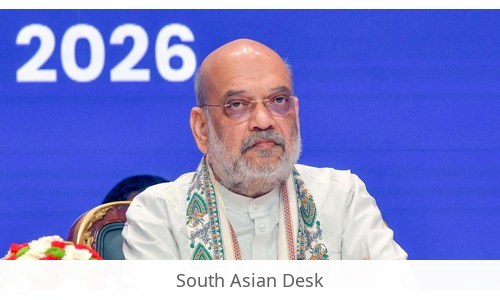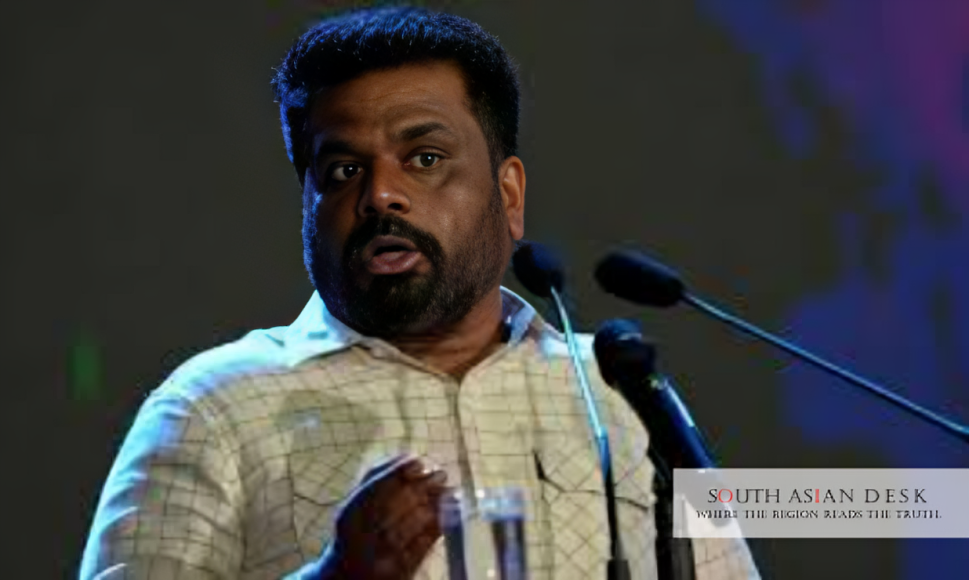
President Anura Kumara Dissanayake presented Sri Lanka’s 2026 budget in Parliament on Friday, November 7, 2025, at 1:30 PM, outlining LKR 4,470 billion in primary expenditure to achieve a 2.3% GDP primary surplus and 15.2% revenue target while advancing Sri Lanka 2026 budget IMF reforms.
This Sri Lanka budget 2026 unveiling holds significance for South Asia, as successful implementation could stabilise regional trade routes and reduce spillover risks from Sri Lanka’s 2022 default, fostering investor confidence across India, Pakistan, and Bangladesh amid shared challenges like debt and inflation.
AKD Presents Sri Lanka Budget Today in Parliament
President Dissanayake, serving as finance minister, delivered the budget speech amid high expectations for economic revival. The address highlighted fiscal discipline as central to recovery. Key President Dissanayake budget speech highlights included commitments to restructure state-owned enterprises and enhance tax compliance without introducing new levies.
The budget projects nominal GDP at LKR 34,754 billion for 2026, with real growth at 3.1% and inflation at 5%. These assumptions underpin the fiscal framework aligned with the IMF’s Extended Fund Facility programme. Revenue measures focus on broadening the tax base to reach 14% of GDP from taxes alone, supplemented by 1.1% non-tax revenue and 0.1% grants.
Expenditure totals LKR 4,470 billion, capped at 12.9% of GDP for primary spending. Recurrent costs stand at 17% of GDP, while capital outlays hit 3.8% to support infrastructure. Interest payments ease to 8% of GDP from prior highs, reflecting debt restructuring gains.
Sri Lanka 2026 Budget IMF Reforms Take Centre Stage
Sri Lanka 2026 budget IMF reforms form the backbone of the proposals. The plan targets a primary surplus of 2.3% of GDP from 2025 onwards, essential for unlocking the sixth IMF tranche of USD 347 million by year-end. This would raise total disbursements under the USD 3 billion programme to USD 2.04 billion.
Reforms include labour and land policy adjustments to attract foreign direct investment. State enterprise restructuring aims to cut losses, with public debt projected to fall below 95% of GDP by 2032. Gross financing needs stay under 13% of GDP on average through 2032, and foreign-currency debt service below 4.5%.
The budget adheres to the Public Financial Management Act, limiting primary expenditure to 13% of GDP initially. Cabinet approved the proposals earlier today, confirming LKR 4,434 billion in total spending—a figure close to the fiscal ceiling. Analysts note this balance seeks to avoid reform fatigue while meeting Creditor demands.
No major tax hikes appear, easing public burden post-2022 crisis when inflation soared over 70%. Instead, emphasis falls on compliance and exemptions reform. World Bank projections forecast 4.6% growth in 2025, dipping to 3.5% in 2026, but officials eye 5-6% medium-term with robust implementation.
Sectoral Allocations Drive Recovery Efforts
The budget allocates resources across key sectors, though detailed breakdowns remain partial at this stage. Infrastructure receives priority under capital spending, with public investments exceeding 4% of GDP from 2027.
Defence and security budgets stabilise, reflecting normalised post-crisis conditions. Export diversification gains focus, building on pre-budget talks with private sector leaders in agriculture and beverages. These discussions, held in August, shaped proposals for value-added exports to bolster dollar reserves.
Recurrent non-interest spending drops to 9% of GDP, allowing reallocation to growth areas. Net lending supports strategic projects, while guarantees cap at 7.5% of GDP to curb off-budget risks.
Background: From Crisis to Cautious Optimism
Sri Lanka’s economy defaulted on USD 22.5 billion in debt three years ago, triggering fuel shortages, medicine scarcity, and mass protests that ousted the prior government. President Dissanayake’s NPP administration, elected in 2024, inherited this legacy. The 2025 budget marked initial stabilisation; now, the 2026 plan extends that trajectory.
Pre-budget reviews began in July, with President Dissanayake chairing sessions on frameworks and sectoral needs. Final drafts underwent scrutiny on November 5 and 6 at the Presidential Secretariat, involving Finance Secretary Harshana Suriyapperuma. These steps ensured alignment with the 2026-2030 Medium-Term Fiscal Framework.
The IMF programme, launched in 2023, has disbursed five tranches, aiding reserves rebuild. Yet, repayment obligations resume in 2028, pressuring fiscal space. This Sri Lanka budget 2026 unveiling represents the second under Dissanayake, testing his pledge for transparent governance.
President Dissanayake Budget Speech Highlights Equity Focus
In the speech, President Dissanayake stressed equitable growth, vowing to restore public trust through anti-corruption drives. He linked reforms to job creation, targeting youth unemployment via skills training.
AKD presents Sri Lanka budget today as a roadmap beyond austerity, with incentives for green energy and digital economy. Labour reforms promise flexibility without eroding worker rights, a nod to JVP roots.
Economic data underscores progress: 5% GDP growth last year outpaced expectations. Revenue rose via better collections, funding social safety nets. Still, poverty affects 25% of households, demanding targeted aid.
What’s Next: Implementation and Tranche Unlock
Parliament begins second reading debates post-speech. Approval expected soon, with rollout from January 1, 2026. Success hinges on legislative passage of enabling laws for reforms.
The IMF reviews progress quarterly; meeting targets could lift Credit ratings, easing 2028 repayments. Investors watch for FDI inflows, projected to rise with tax incentives.
This Sri Lanka budget 2026 unveiling sets the stage for deeper integration in South Asian markets, potentially via enhanced SAARC ties. As President Dissanayake noted in pre-budget remarks, sustained effort will yield shared prosperity.
Published in SouthAsianDesk, November 7th, 2025
Follow SouthAsianDesk on X, Instagram, and Facebook for insights on business and current affairs from across South Asia.