Delhi airport flight delays caused severe disruptions on Friday, November 7, 2025, when a glitch in the air traffic control system caused delays to over 200 flights. The incident, which began early morning, stemmed from a failure in the Automatic Message Switching System supporting ATC operations. Airport authorities switched to manual processing, but delays persisted into the afternoon. Passengers endured waits of up to four hours, affecting both domestic and international routes. The Airports Authority of India confirmed the issue at 4:38 PM GMT, apologising for the inconvenience.
This event underscores vulnerabilities in South Asia’s aviation infrastructure, where Delhi serves as a critical gateway for regional connectivity. Delays at IGI ripple across borders, impacting travellers from Pakistan, Bangladesh, and beyond who rely on Delhi for transit. Frequent glitches underscore the need for robust backups amid rising air traffic, which reached over 1,200 daily movements last month. Such incidents erode confidence in India’s aviation sector, projected to handle 300 million passengers annually by 2030.
IGI Airport Technical Issue Disrupts Operations
The IGI airport technical issue originated in the AMSS, a key component for transmitting flight data to controllers. This system automates message exchanges between airlines, airports, and ATC towers. When it failed around 5:00 AM local time, controllers resorted to manual logs, which slowed clearances for takeoffs and landings.
Delhi Airport’s official statement noted the glitch affected flight plans across terminals. “Due to a technical issue with the Air Traffic Control (ATC) system, flight operations at Delhi Airport are currently experiencing delays,” the airport tweeted in multiple updates. The team coordinated with stakeholders to prioritise urgent flights.
Data from flight trackers showed 214 departures delayed by over 30 minutes by noon. IndiGo reported 87 affected flights, while Air India cited 45. SpiceJet faced 32 disruptions. International carriers, such as Emirates and Qatar Airways, experienced knock-on effects on routes to Dubai and Doha.
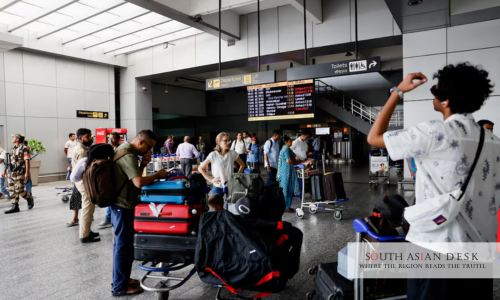
Passengers described chaotic scenes at terminals. One traveller waited three hours for a Mumbai-bound flight. Another, heading to London, missed a connection after a four-hour hold. Airport staff distributed water and snacks, but frustrations mounted over the lack of real-time updates.
Flights Delayed Delhi November 2025: Scale of Impact
Flights were delayed in Delhi in November 2025, marking one of the year’s worst disruptions at IGI, surpassing the fog-related halts in January. Official figures indicated that the total number of flights was 223 by 3 PM, with 156 domestic and 67 international services affected.
The ripple extended to secondary airports. Mumbai saw 12 inbound delays from Delhi, while Bengaluru reported eight. In South Asia, Pakistan International Airlines adjusted two flights from Lahore to Delhi, citing an ATC bottleneck.
Economic fallout mounted quickly. Each delayed hour costs airlines INR 10-15 million in fuel and crew overtime. Passengers faced rescheduling fees, averaging INR 5,000 per ticket. Business travellers lost productive hours, with IT firms in Gurgaon reporting 200 absentees.
Airlines issued advisories. IndiGo urged checking apps for status. Air India promised refunds for delays over three hours under DGCA norms. SpiceJet activated help desks at gates.
Visuals from the scene captured long queues at check-in counters. Social media buzzed with complaints, amassing 5,000 mentions by evening. Hashtags like #DelhiAirportDelay trended locally.
Air Traffic Control Failure India: Official Response
The air traffic control failure in India exposed gaps in system redundancy. AAI’s update clarified: “Controllers are processing flight plans manually, leading to some delays. Technical teams are working to restore the system at the earliest.”
No cyber threat was identified; experts pointed to a software bug in AMSS, which was last upgraded in 2023. DGCA monitors the probe, mandating a root-cause report within 48 hours.
AAI prioritised safety, grounding non-essential movements. By 2 PM, 70% of flights had resumed normalcy, although peak evening slots were still lagging.
Stakeholders convened virtually. The Union Civil Aviation Minister addressed the issue in Parliament, vowing to make upgrades. “We prioritise passenger comfort,” he stated.
Past incidents offer context. A similar AMSS fault in Mumbai in 2022 resulted in the delay of 150 flights. Delhi’s 2024 radar outage grounded 100 services. These underscore calls for AI-driven backups.
Background: Recurring Challenges at Delhi’s Skies
Delhi’s aviation hub handles approximately 65 million passengers annually, straining its resources. IGI spans three terminals, with Terminal 3 alone processing 40 million. The ATC tower manages 1,400 daily flights, a 15% increase from 2024.
Investments total INR 20 billion in expansions, yet technical snags persist. Monsoon humidity and power fluctuations exacerbate risks. South Asian carriers praise Delhi’s connectivity but flag reliability.
Regional ties amplify stakes. Over 50 weekly flights link Delhi to Islamabad and Dhaka, vital for trade and diplomacy. A prolonged flight delay at Delhi airport due to an ATC glitch could strain bilateral pacts.
What’s Next Amid Delhi Airport Flight Delays
Technical teams aim to achieve full AMSS recovery by midnight. AAI plans stress tests post-fix. DGCA may impose fines if lapses are found.
Passengers should monitor their apps; refunds are available for verified delays. Airlines prepare contingency crews.
This Delhi airport flight delay ATC glitch serves as a wake-up call. Swift resolution will rebuild trust, but long-term fixes demand priority to safeguard South Asia’s aerial lifelines.
Published in SouthAsianDesk, November 7th, 2025
Follow SouthAsianDesk on X, Instagram, and Facebook for insights on business and current affairs from across South Asia.